A short-haul airline pilot’s working day may involve several flights, each requiring a new round of preparation, another take-off and another landing. Between sectors, time on the ground is taken up by checks, refuelling, boarding procedures and coordination with the people who make the next departure possible.
The pace can be fast, but that does not reduce the level of attention required. Weather, airports, traffic and operating conditions all change. Each flight must therefore be treated as a separate operation.
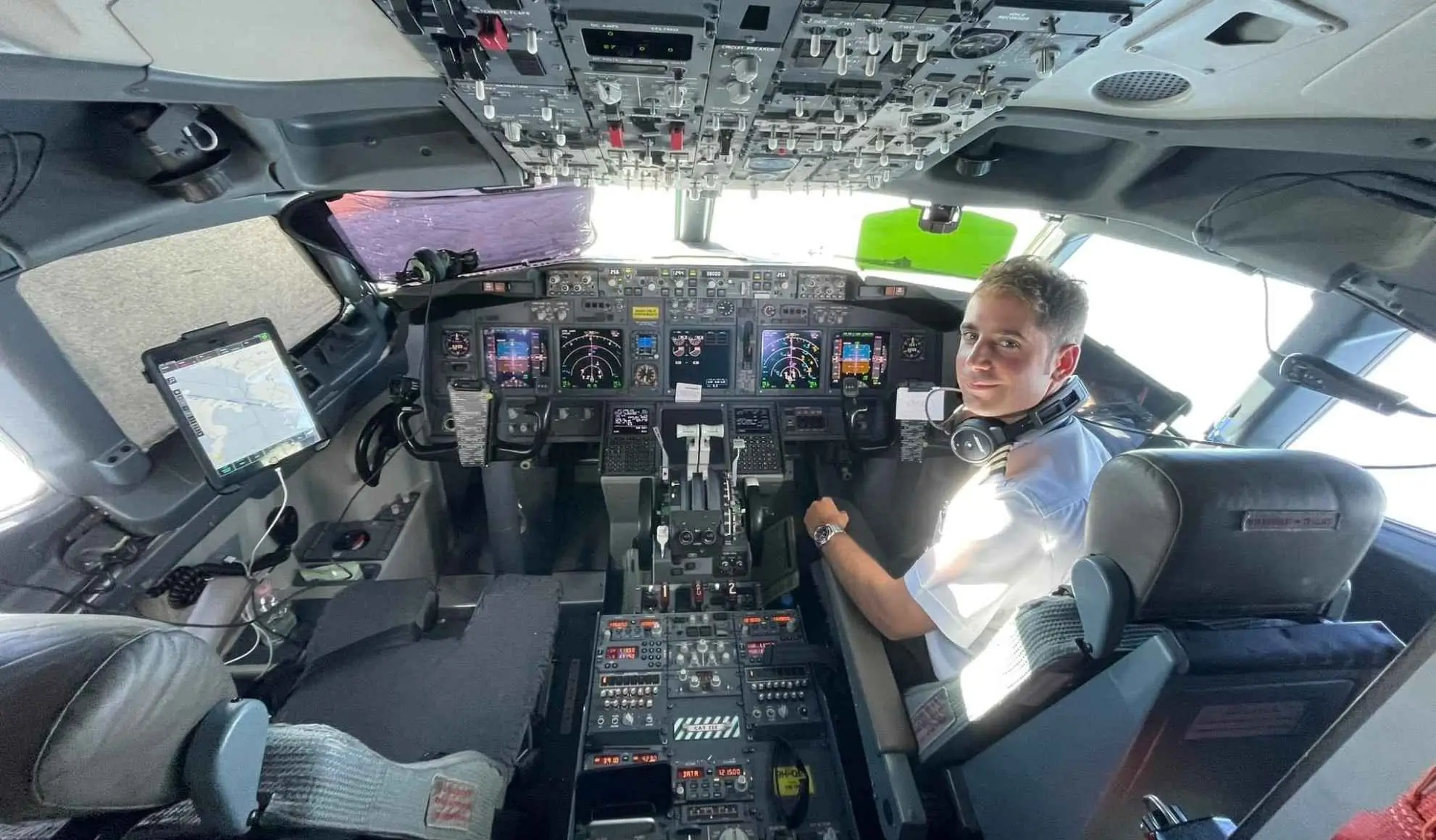
Francesco Cuttica, a Boeing 737 pilot, takes us behind the flight deck door to explain what life is like as a pilot on short-haul routes, how each working day is, what happens during an aircraft turnaround and which parts of the job remain invisible to passengers.
His story with aviation began long before he entered the cockpit, at a computer screen and a copy of Flight Simulator 98.
Becoming a pilot: a passion sparked by Flight Simulator 98

When we ask Francesco when he first realised he wanted to become a pilot, he returns to a childhood memory:
“I realised I wanted to do this job while playing Flight Simulator 98.”
The simulator allowed him to choose aircraft, airports and routes, bringing him closer, through a screen, to a world he had previously only been able to imagine.
The experience was, of course, a long way from the complexity of a real flight deck, but it gave a child the chance to explore a world that would otherwise have been difficult to observe.
Over time, the curiosity sparked at that computer became a professional choice. Study, training, procedures and responsibility gradually joined the initial fascination.
What may have seemed like an adventure in childhood is now a profession in which every decision must be supported by preparation and situational awareness.
What passengers do not see about life as an airline pilot
The work of a pilot is commonly associated above all with take-off, landing, and the view from the flight deck.
Francesco, however, draws attention to a less visible aspect: the concentration that must be maintained throughout every phase of the flight.
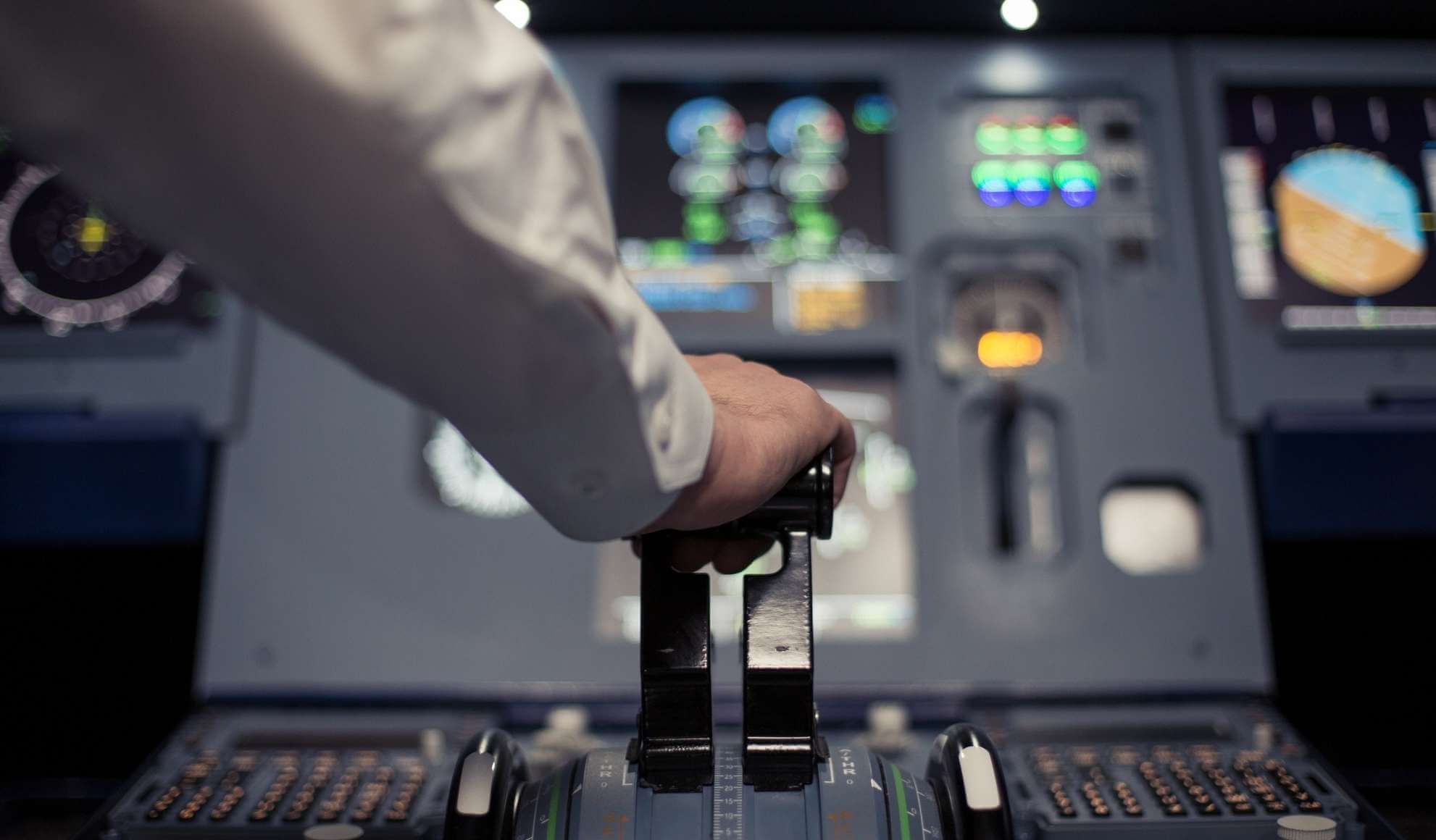
“In my view, the aspect of the job that people overlook most is the level of attention required at every stage. It must always remain high because, even when the autopilot is engaged, the aircraft cannot think for itself.”
The autopilot can follow parameters and instructions set by the crew, but it cannot independently interpret the entire operational context. Monitoring the flight path, weather conditions, traffic and the aircraft’s performance remains part of the pilots’ work.
Automation supports the crew, but it does not replace their ability to observe, assess and make decisions.
On short-haul flights, this level of attention has to be renewed several times within the same working day. Once one flight has landed, preparation begins for the next, which may involve a different destination, weather and operating conditions.
Familiarity with the aircraft and its procedures helps pilots manage the workload, but it does not mean that one sector is automatically the same as the previous one.
What does a pilot do before take-off?
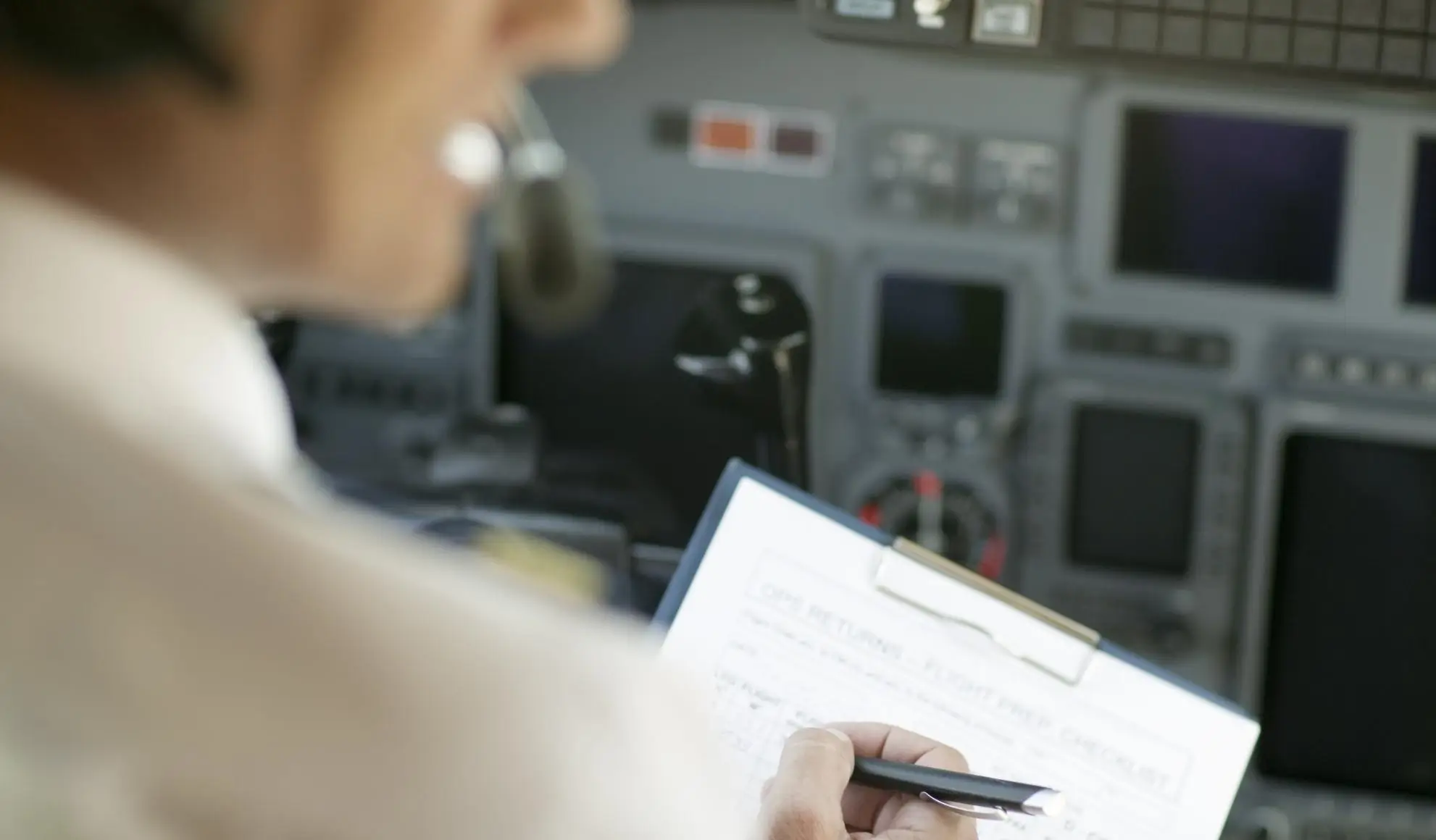
For passengers, the journey generally begins when they arrive at the airport. For the pilot, the operational day starts much earlier.
“Preparing a flight” does not simply mean knowing the route or entering a destination into the aircraft’s systems. It means building as complete a picture as possible of what may happen during the sector.
Francesco describes it this way:
“Preparing a flight means studying the details of the day ahead, which is never the same and always different.”
Pre-flight preparation includes assessing several elements:
- The technical condition of the aircraft.
- The weather at departure, en route and at destination.
- The conditions at the airports involved.
- Any closures or work in progress.
- Operational notices.
- The status of the airspace along the route.
- The amount of fuel required.
Not all of this information will necessarily affect the flight. Knowing it, however, allows the crew to identify in advance the points that may require closer attention.
“The more we know about what lies ahead, the better prepared we are to respond, as in all things.”
Preparation cannot remove every unexpected event. It allows the crew to face it, considering the context and possible alternatives.
Weather is the first thing to check
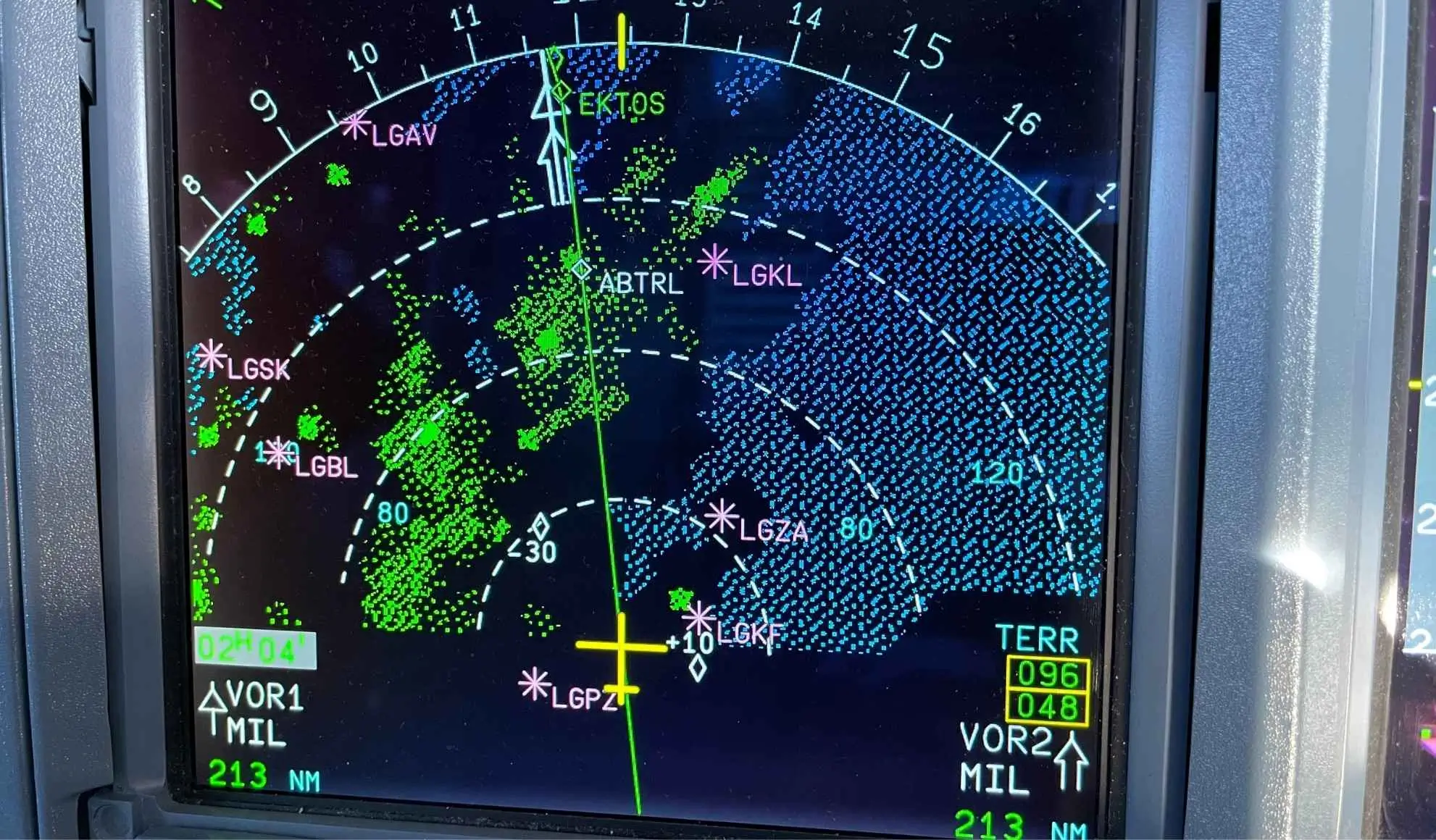
When Francesco receives the flight plan, the first thing he checks is the weather.
“The first thing I look at is the weather: at departure, en route and at destination. In my view, weather is the factor that shapes the day more than anything else.”
The weather can affect several aspects of a flight. Wind, visibility, thunderstorms and the forecast conditions at the destination may influence the amount of fuel required, the route, the timing and the approach procedures.
In short-haul operations, a pilot may also fly into several different airports during the same working day. The conditions encountered in the morning may be very different from those found a few hours later at another destination.
For this reason, checking the weather is not a one-off task completed at the beginning of the shift. The information is updated and reassessed throughout the day.
Identifying in advance which phase will require the most attention
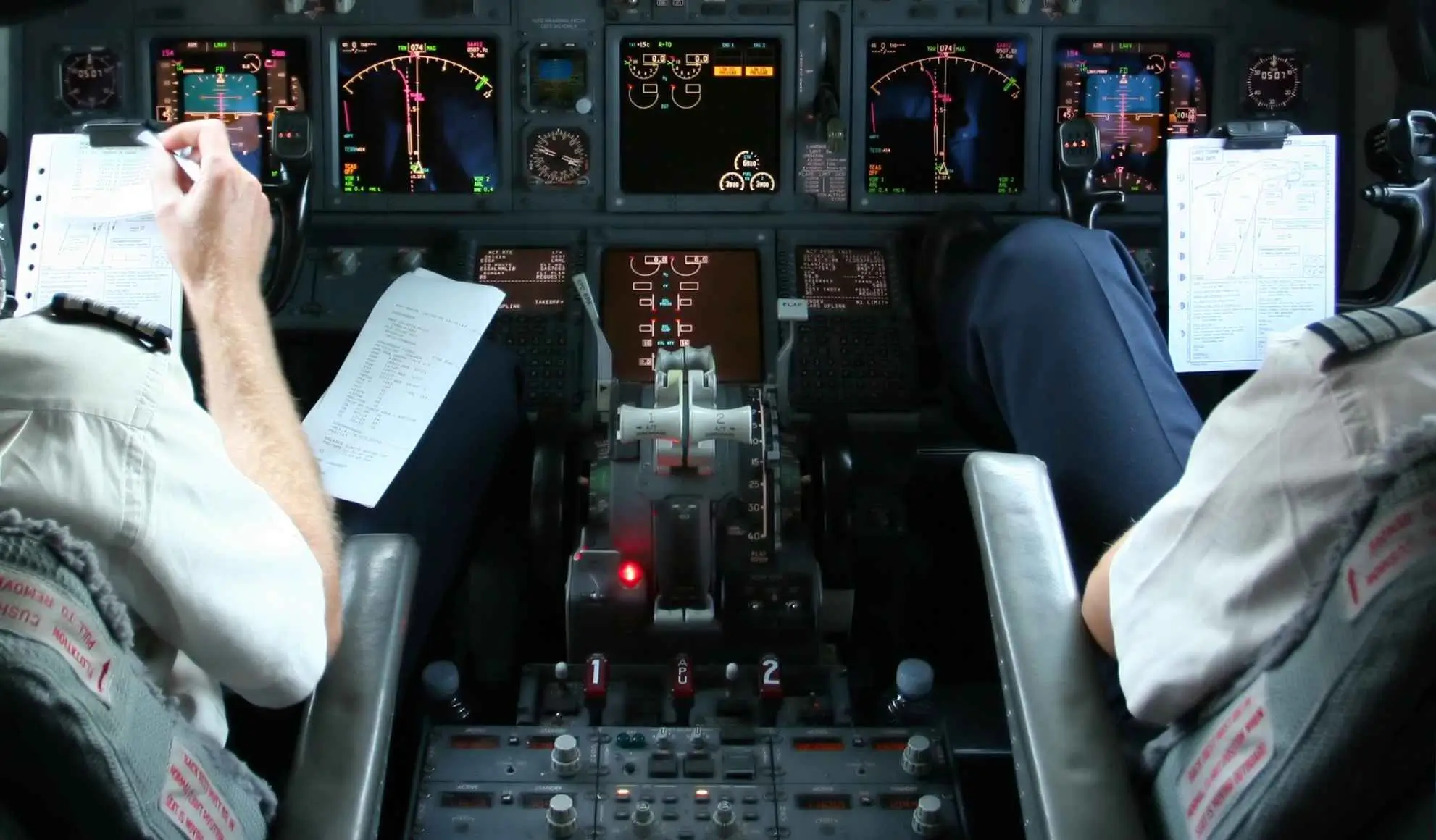
The information gathered during pre-flight preparation often allows the crew to identify, even before departure, which phase of the flight is likely to be the most demanding.
“Unless something unexpected happens, the planning stage already gives you a good idea of what will require particular attention. The landing, for example, may present specific challenges, and that is something you start thinking about well in advance.”
A situation expected at the destination is therefore not addressed only when the aircraft begins its descent.
The pilot can study it before take-off, oversee during the flight and gradually update the assessment. In this way, the final phase of the journey is prepared while the destination is still some distance away.
This is one of the less visible aspects of working on the flight deck: many decisions begin to take shape before passengers can even perceive the situation.
A short flight is not necessarily a simple one
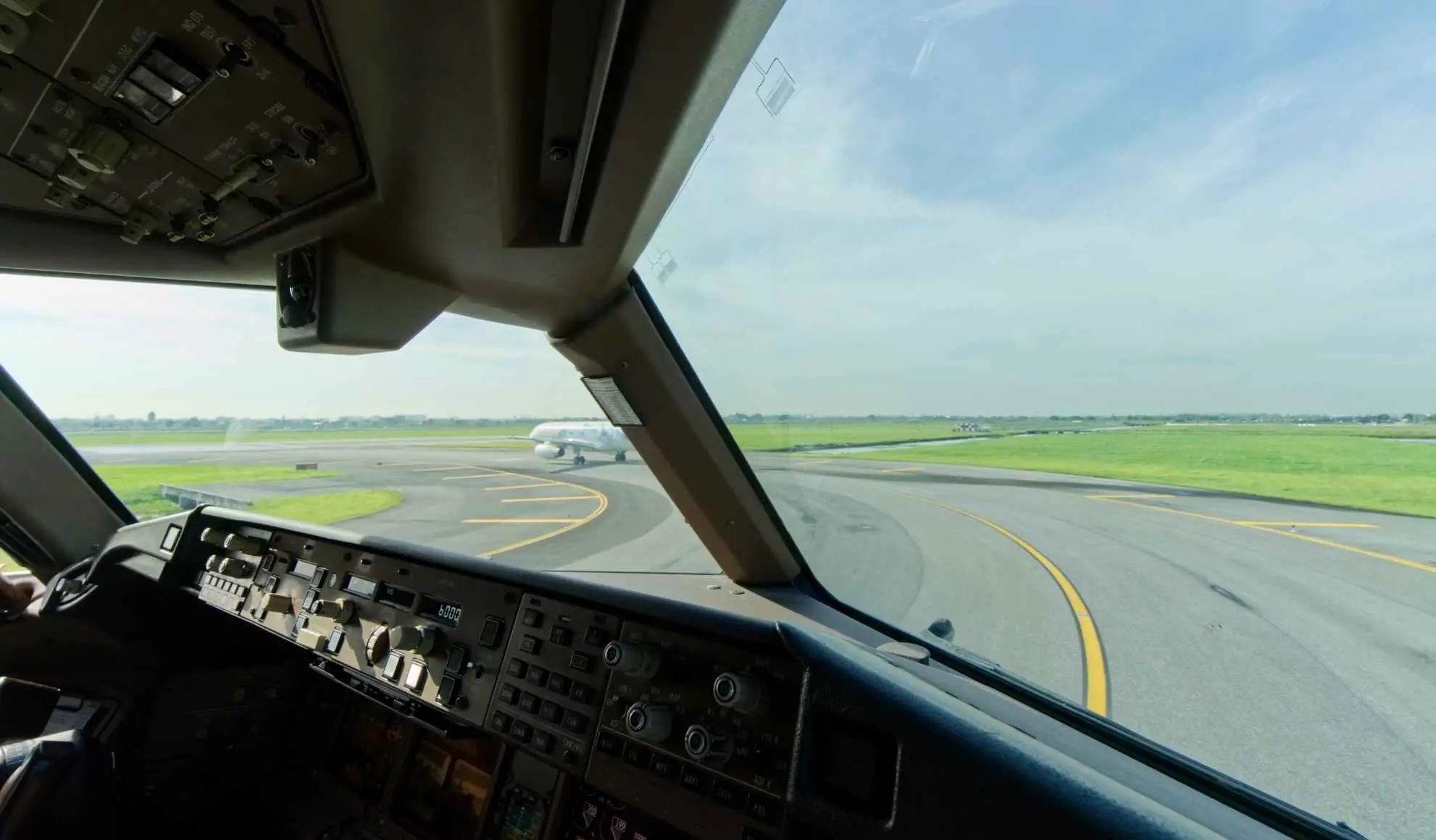
Flight duration is only one of the factors that determine the workload.
Francesco explains that the route, the aircraft and the airports involved can combine in very different ways:
“A short sector between two large and complex airports, perhaps operated with a slightly older aircraft, can be far more demanding than a longer flight between two relatively straightforward airports on board a modern Airbus.”
A short flight is therefore not automatically a simple one.
Traffic levels at both airports, taxiways, aircraft type, weather conditions, and the procedures to be followed can make even a brief sector demanding.
By contrast, a longer flight between two less complex airports may have a very different operational rhythm.
The level of difficulty does not depend on a single factor, but on the overall conditions in which the flight is operated.
A flight’s complexity does not depend solely on the time spent in the air. On longer sectors, however, factors such as weather, airports, fuel and planning take on a different significance. In our interview with Marco, a Boeing 787 pilot, we explore how long haul flights are prepared and how a pilot’s work changes on long-haul operations.
A day in the life of a short-haul pilot: up to six flights in one shift

One of the defining features of short-haul flying is to operate several sectors within the same working day.
“You may have to operate several flights in a single day, sometimes as many as six. That means several short flights, take-offs, landings and several turnarounds to manage. So there are many demanding phases, even if each one is brief.”
Each sector includes a complete operational sequence:
- Preparation.
- Boarding.
- Take-off.
- Climb.
- Cruise.
- Descent.
- Approach.
- Landing.
- Disembarkation.
- preparation for the next flight.
Take-off and landing, both of which require close attention, may therefore be repeated several times during the same shift.
On short-haul flights, the level of difficulty does not depend just on duration. Weather, traffic and airport characteristics change from one sector to the next, requiring a fresh assessment each time.
What is an aircraft turnaround? What happens between two flights
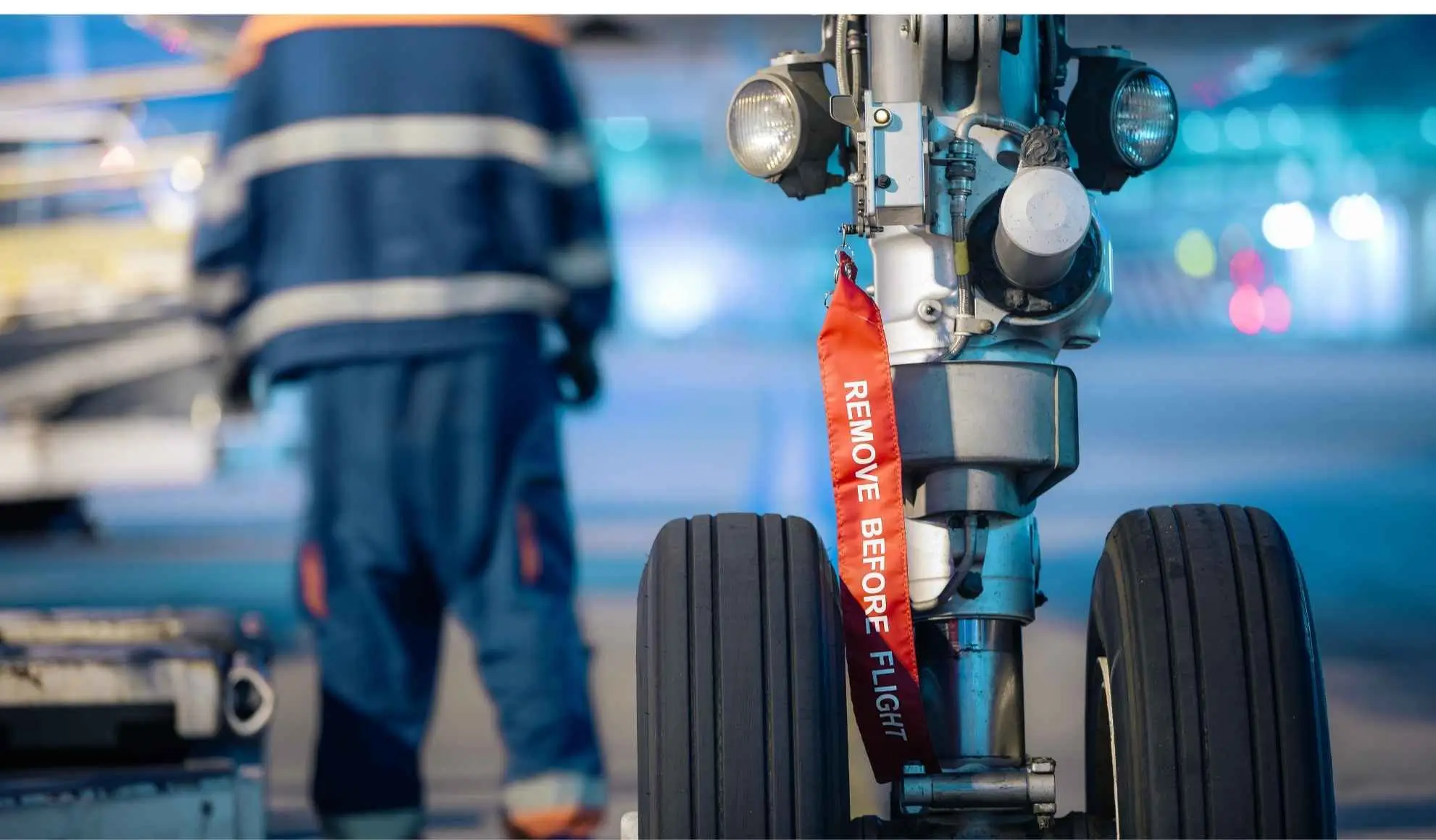
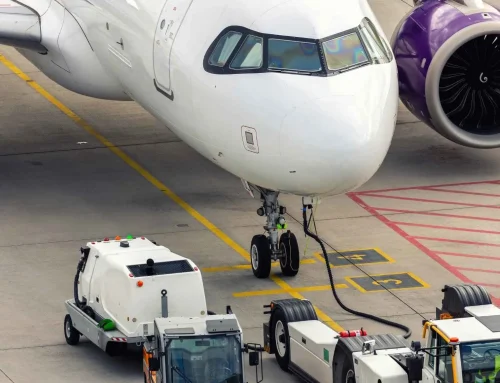
The turnaround is the period between the aircraft reaching its parking stand and departure on the next sector.
To someone watching from the terminal, it may look like a break. For the crew and ground staff, however, it is an operational phase in which several activities must be completed within a limited timeframe.
“In line with the objectives of the airline I work for, the turnaround has to be managed quickly and without wasting time.”
Once the aircraft arrives, the pilots divide the tasks between them. While one prepares the flight deck for the next sector, the other carries out the external inspection.
At the same time:
- Passengers disembark.
- Baggage is unloaded.
- The aircraft is refuelled.
- The cabin is prepared.
- Boarding for the next flight begins.
- The load information is received.
- The final checks are completed.
- The doors are closed again.
These are not isolated activities. They must proceed in a coordinated way, because a delay or problem in one phase can affect all the others.
The turnaround shows clearly how much a flight depends on several people carrying out different roles at the same time.
Keeping to the schedule between flights
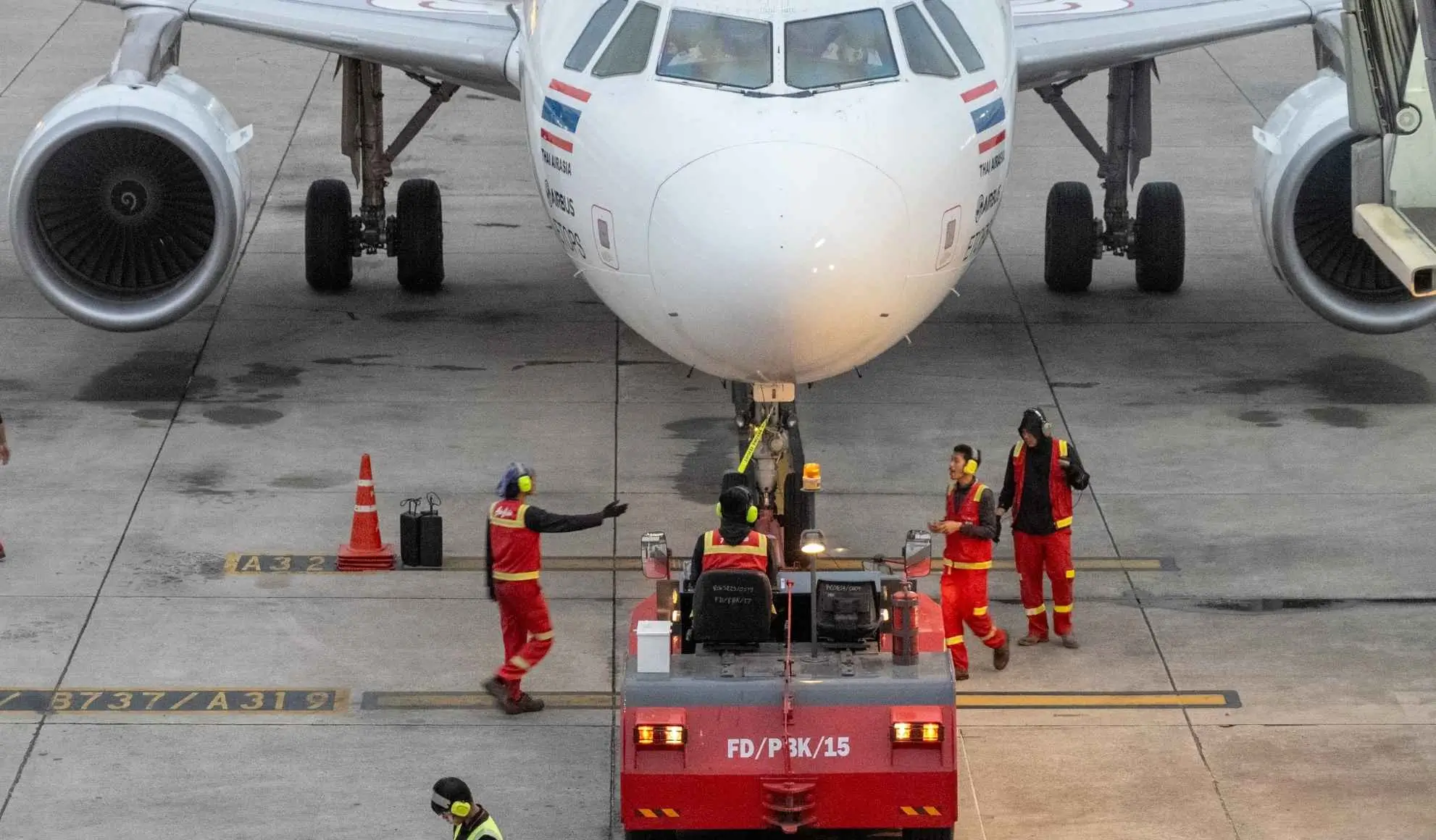
In short-haul operations, time management plays a major role. An aircraft may be scheduled to operate several sectors, and a delay on the earlier flights can affect the rotations that follow.
Francesco also links punctuality to the airline’s commercial objectives:
“Managing the time between one flight and the next is obviously very important. Every airline aims to optimise turnaround times to maximise profitability, so we have to work within those requirements.”
Speed, however, does not mean skipping checks or compressing essential procedures. It means organising tasks and responsibilities so that everyone knows what to do and when to do it.
The punctuality passengers experience is therefore the visible result of work involving pilots, cabin crew, ground handlers, baggage staff, refuelling teams and airport personnel.
Large hubs and smaller airports: different operational challenges
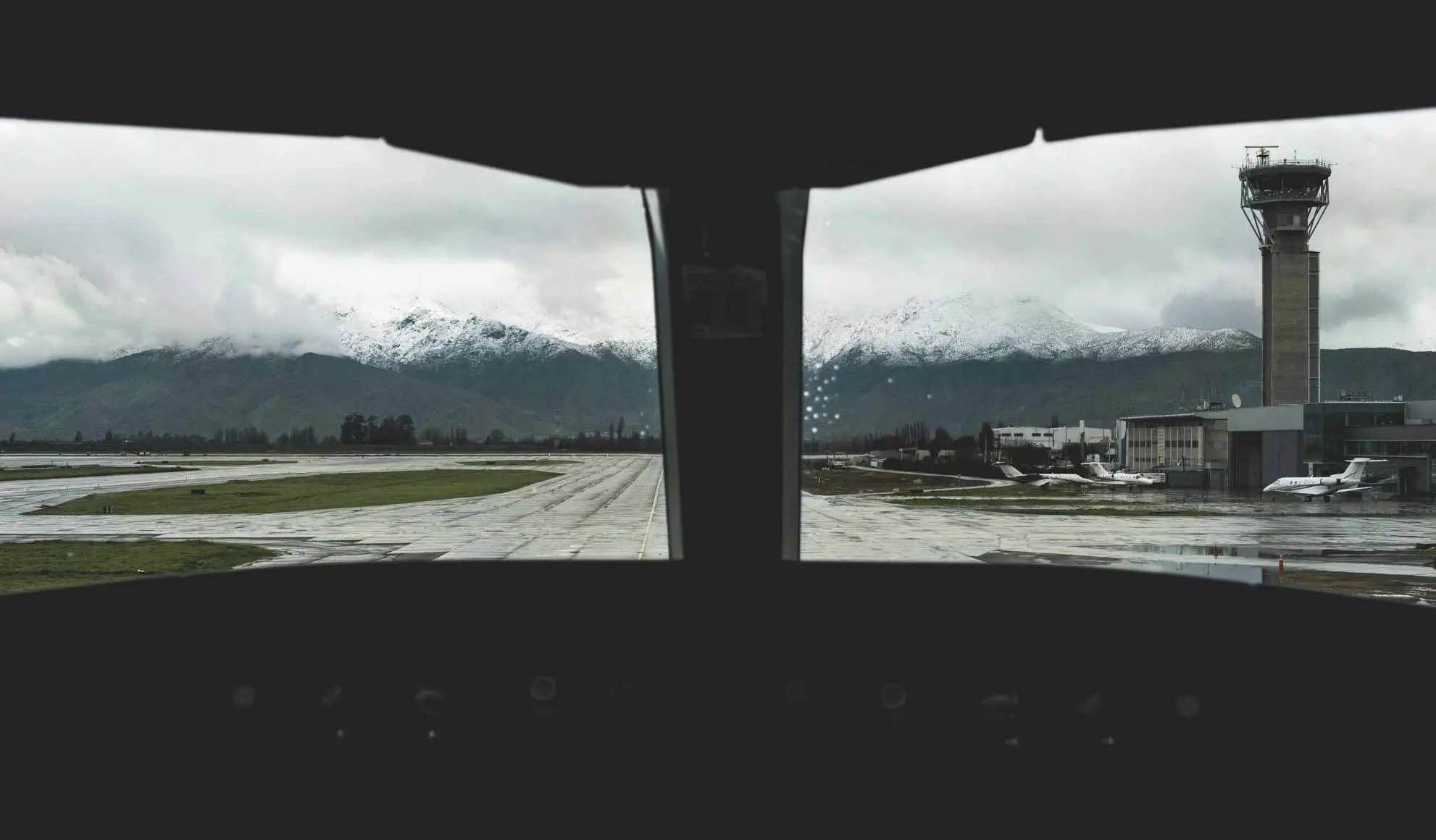
Over the course of a working day, a short-haul pilot may operate into very different airports.
Large hubs mainly present challenges related to the intensity and complexity of traffic.
Francesco mentions:
- Congested radio frequencies.
- Precise instructions from air traffic control.
- Numerous aircraft are moving at the same time.
- Long and complex taxiways.
- Operational sequences that must be followed.
Even after landing, reaching the parking stand can require close attention. The crew must follow the instructions received, navigate taxiways and runways, and coordinate the aircraft’s movements with those of other traffic.
Smaller airports may have less traffic, but they can present different challenges:
- No radar control.
- Shorter runways.
- Tighter parking stands.
- Limited manoeuvring space.
- Less extensive infrastructure.
“Smaller airports may not present certain challenges, but they can create different ones.”
Airport size is therefore not the only factor that determines operational complexity. A major hub requires precise traffic and procedure management, while a smaller airport may demand particular attention to its physical characteristics and available services.
What the pilot knows that passengers cannot see

From the passenger cabin, a wait before take-off, a change in altitude or a route that differs from what was expected can be difficult to interpret.
When asked what a pilot can see that passengers cannot, Francesco slightly reframes the question:
“Rather than seeing something passengers cannot see, the pilot knows what is happening, while passengers do not.”
The flight deck receives information about weather conditions, traffic, air traffic control instructions and the operational reasons behind a decision.
That knowledge can make sense of a situation that, from the passenger cabin, may otherwise seem unexplained.
“That can be reassuring or unsettling. In any case, we always try to keep everyone informed whenever it is appropriate and necessary.”
Communication does not mean sharing every technical detail with passengers. It means providing the context they need when a delay, a change or a decision affects their journey.
This, too, is part of a pilot’s job: not only managing the aircraft but also helping passengers understand what is happening.
The coordination behind every departure

No flight depends solely on the people on the flight deck.
Pilots, cabin crew, air traffic control, ground handlers and airport staff all contribute to the same operation. On short-haul routes, this collaboration often has to take place within particularly tight timeframes.
“On short-haul flights, just as on long-haul flights, the coordination between all the elements that make a flight successful is extremely important. The difference is that, in short-haul operations, everything has to happen a little faster.”
During the turnaround, each person’s work is closely connected with that of the others. The crew cannot prepare for departure without the load information; boarding depends on the condition of the cabin; and aircraft movements must be coordinated with the airport and air traffic control.
Punctuality, therefore, does not depend on the speed of one person but on many people working towards the same goal.
A routine in which the setting is always changing

Short-haul flying is characterised by repetition: multiple briefings, take-offs, landings and turnarounds within the same working day.
And yet, in Francesco’s words, each day remains “never the same and always different”.
Procedures provide a stable framework. What changes are the conditions in which they must be applied: the weather, the airports, the traffic, the aircraft and the sequence of sectors.
It is precisely this balance between method and variability that defines the life of a short-haul pilot.
Behind a flight that may last only an hour for the passenger lies a system of checks, information and coordination that begins before boarding and starts again as soon as the aircraft lands.
From flight coordination to charter planning
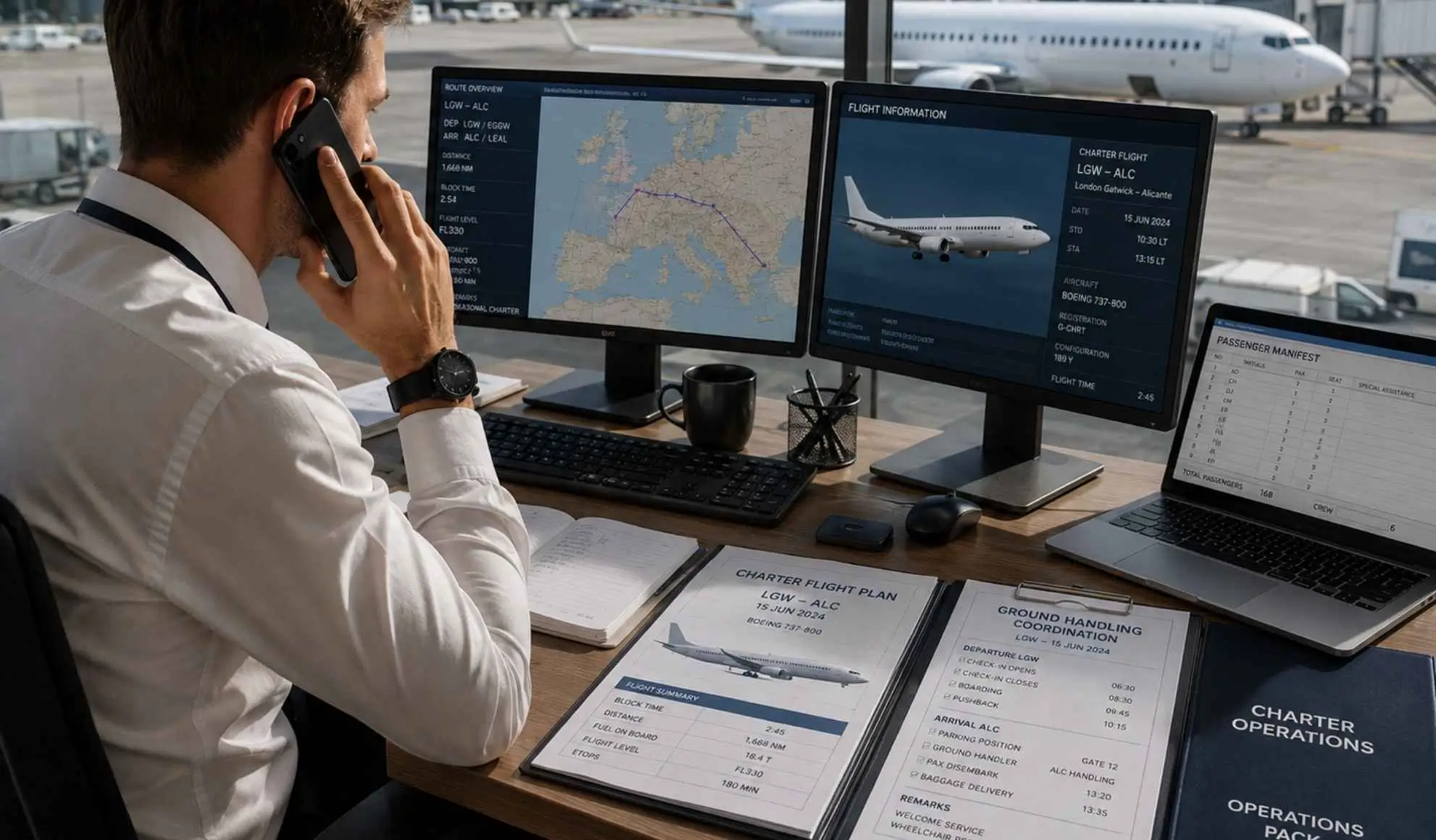
Francesco’s account shows how every departure is the result of coordination between people, information, timing and infrastructure.
The same principle is central to organising a charter flight. Planning involves more than selecting the aircraft: it also requires careful consideration of airports, schedules, ground services and passengers’ specific needs.
Flyness coordinates these elements with carriers and operators, creating tailored travel solutions for companies, groups, sports teams and events.
Discover how we air charter a private flight.