In recent years, air transport has increasingly focused on optimising every operational phase: tighter aircraft rotations, intensive fleet utilisation, and highly precise resource planning.
Within this process, the integration of advanced data analytics systems and artificial intelligence has played a central role, enabling demand forecasting, capacity allocation and the reduction of inefficiencies with growing accuracy, as explored in our article on technological innovation in air travel.
This model has supported traffic growth and improved overall efficiency, but it has also produced a frequently underestimated side effect: a system that is extremely performant, yet increasingly intolerant of disruption.
In 2026, the crisis of scheduled flights unfolds within an even more complex landscape, shaped by increasingly unstable external variables.
Ongoing geopolitical dynamics, rising fuel costs, and potential supply chain disruptions are adding pressure to a system already operating close to its limits.
In this scenario, fragility is no longer just a consequence of optimisation, but the result of a balance increasingly exposed to external factors that are difficult to predict.
Flight disruptions: a system under pressure
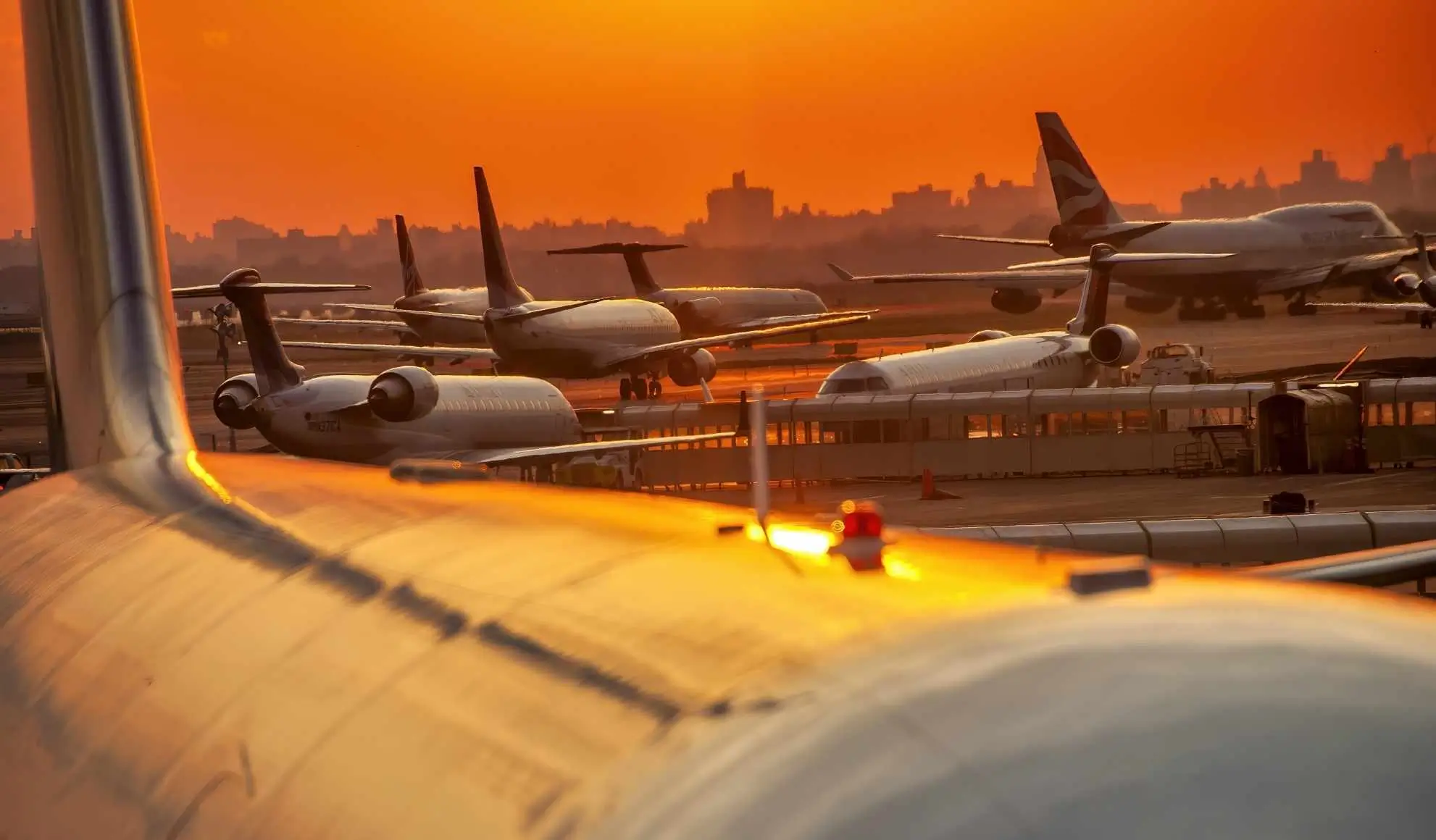
Talking about a flight crisis means observing how the system functions, rather than focusing on the behaviour of individual operators. Modern air transport is designed to operate efficiently when all variables remain within expected parameters, but it shows limited recovery capacity when deviations occur.
This is not a decline in service quality, but a progressive compression of operational margins. Efficiency has become the primary driver of operational sustainability, while reactive capacity has been reduced in favour of maximum resource utilisation.
Airline industry crisis and air traffic growth
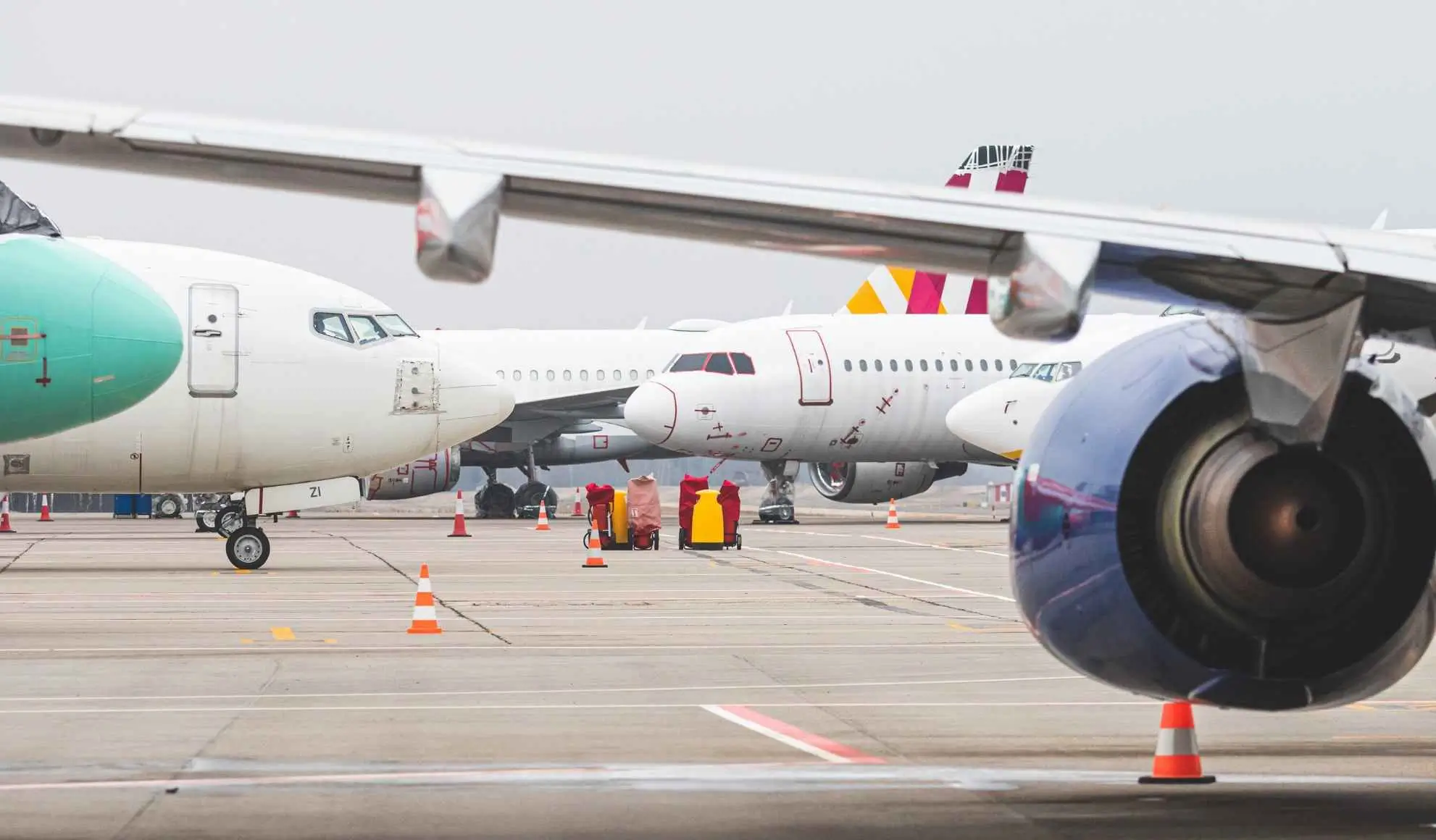
The airline industry crisis must be understood within a broader ecosystem, where demand, infrastructure and operational resources are increasingly interdependent. Within this framework, air traffic becomes a key indicator for understanding why the system struggles to maintain continuity during periods of peak operational intensity.
Comparative data on passenger traffic and flights (Europe – 2025 vs 2024)
| Indicator | 2025 value | Change vs 2024 |
|---|---|---|
| Total passengers in Europe (Jan-nov) | 1,33 billion | +4,5% |
| Number of flights in the European network | 11,12 million | +4% |
| Passengers at European airports (H1) | +4,5% growth | ↑ vs 2024 |
| International passengers (H1) | +5,7% | ↑ while domestic traffic remains stable |
| Italian air traffic (Jan-Sep) | 180 million (+4,7%) | ↑ vs 2024 |
These figures do not simply reflect rising demand; they point to a structural imbalance between traffic volumes and the system’s capacity to absorb them.
Air traffic growth and the limits of the European system
Passenger traffic growth in Europe has exceeded the adaptive capacity of infrastructure, airport slots and air traffic management. During peak periods, the system operates consistently close to saturation.
Under these conditions, planning loses part of its stabilising function: even minimal variations can generate non-linear effects, with impacts propagating across the entire network.
Flight delays and cancellations as systemic effects
The loss of elasticity affects all operators, but its consequences become more severe when carriers rely on highly optimised models based on tight aircraft rotations and reduced margins. These business models are structurally more exposed when the system comes under strain.
The resulting criticalities are particularly evident when observing the impact of the crisis on low-cost airlines, where limited operational buffers make the coordinated management of unforeseen events more complex (see also “Low-cost flights or charter flights? The risk factor in 2026” for further insights).
Airline industry crisis and aircraft shortages
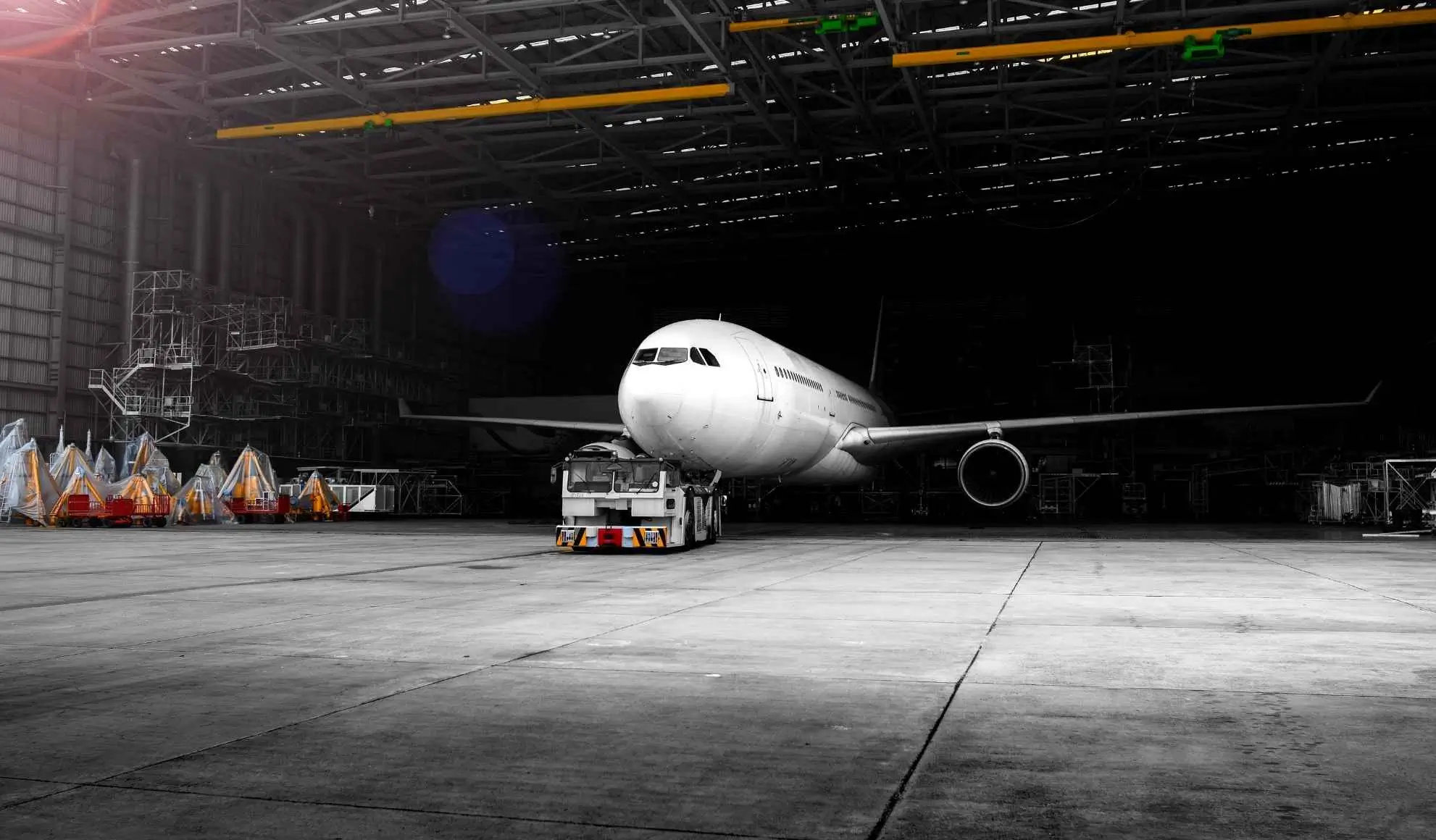
Aircraft shortages are among the least immediately visible factors, yet they are among the most decisive in understanding the crisis affecting scheduled flights. Unlike delays and cancellations, which represent the visible effects of the problem, aircraft shortages act upstream, structurally reducing the system’s ability to respond to unforeseen events.
Today, available capacity no longer matches the theoretical plan. Flight schedules and aircraft rotations are built on fleet availability that, in practice, has become increasingly fragile. To this structural fragility are now added external variables, such as fuel cost volatility and an evolving international landscape, which directly impact the actual availability of operational capacity.
Reduced fleets and grounded aircraft
In recent years, fleet utilisation has become increasingly intensive. Aircraft are deployed through very tight operational cycles, with idle time reduced to a minimum. This model maximises efficiency under normal conditions but leaves very limited room for manoeuvre when technical or operational issues arise.
Added to this are more complex – and in some cases prolonged – maintenance cycles, which cause part of the fleet to remain grounded longer than expected. The result is an effective aircraft availability lower than planned, especially during peak seasonal periods.
When the available fleet operates continuously at its limits, the ability to rapidly reallocate resources in the event of disruption becomes limited. If an aircraft is taken out of service, there is rarely an immediate alternative: the system no longer has sufficient operational buffers to absorb the loss without triggering cascading effects.
Delayed deliveries and reduced operational flexibility
A further source of rigidity stems from delays in the delivery of new aircraft. Fleet renewal and expansion are progressing more slowly than forecast, preventing any meaningful increase in the system’s overall capacity.
This means that growing demand is not offset by a proportional expansion of available resources. Instead, the system continues to operate on a largely unchanged capacity base, while traffic volumes increase.
In a system designed to maximise resource utilisation, this rigidity has a magnifying effect: each unexpected event carries greater weight, because there are no operational reserves to rely on. Reduced flexibility is therefore not an occasional outcome, but a structural condition that exposes the entire system to higher operational risk.
It is at this point that aircraft shortages cease to be a purely technical issue and become a strategic variable in interpreting the market: they affect not only flight availability, but the system’s overall ability to ensure continuity.
Disruptions and critical issues in air travel in 2026: signs of a saturated system
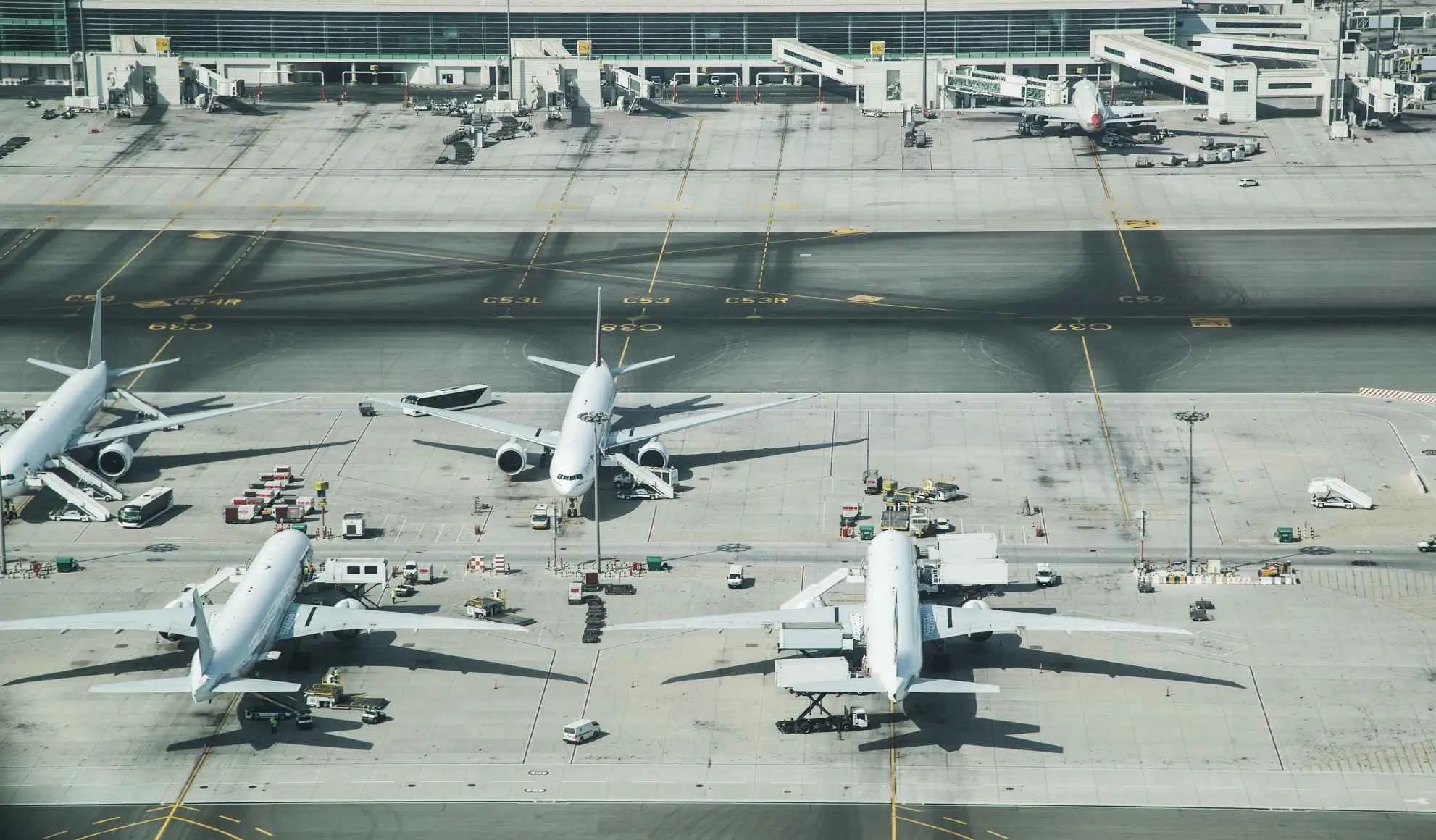
Disruptions and critical issues in air travel should not be interpreted as isolated incidents, but as indicators of the system’s resilience. In 2026, delays and service disruptions signal the network saturation level, rather than individual operational inefficiencies.
For those managing complex travel – corporate incentive travel, structured business trips, operations with tight schedules – the issue is not the inconvenience itself, but the loss of control over operational variables. This loss directly affects the overall design of the journey.
When delays are no longer the exception
A delay becomes relevant not because of its duration, but because of the context in which it occurs. When the system lacks meaningful recovery margins, even minor deviations can compromise the integrity of subsequent operational sequences.
Time, therefore, ceases to be an elastic variable and becomes a critical system factor, especially when travel is an integral part of a project with rigid time constraints.
The domino effect in complex corporate travel
In complex corporate travel, a disruption rarely remains isolated. The main criticality is not the individual unforeseen event, but the difficulty of maintaining coordination and coherence throughout the entire travel project.
This is where systemic fragility transfers to the planning itself: misaligned groups, rescheduled agendas, and resources diverted to managing the disruption.
How the flight crisis reshapes the concept of risk in 2026
The crisis affecting scheduled flights does not introduce new risks; it changes their nature. Risk is no longer linked to exceptional events, but to the normal functioning of a system that operates consistently close to its limits.
When dealing with group travel in this kind of environment, it is impossible to ignore the systemic risk generated by the dynamics described above. Not because something is bound to go wrong, but because the system’s ability to absorb unforeseen events is structurally reduced.
Why risk must be interpreted before it can be managed
When risk is embedded in the way the system operates, acting after the fact means intervening once control has already been compromised.
For this reason, in 2026, the key issue is not how to react to risk, but how to identify it before it materialises, shifting the focus from the individual flight segment to the operation as a whole.
Charter flights as an alternative risk configuration
When risk is no longer an exception but an operational condition, the way a journey is configured becomes decisive. By their very nature, charter flights operate outside the hyper-compressed network logic that characterises scheduled flights.
While charter operators also optimise aircraft utilisation, they do so within more flexible operational frameworks. Each flight is tailor-made to meet specific requirements – whether for a MICE event, a sports team transfer or a structured group journey – allowing for greater adaptability in the event of changes or unforeseen circumstances.
From this perspective, charter flights are not an alternative to scheduled flights in terms of price, but rather a different risk configuration: less dependent on extended operational chains, more governable when critical variables arise, and more consistent with high-complexity travel projects.
Interpreting the flight crisis: a new approach to travel management
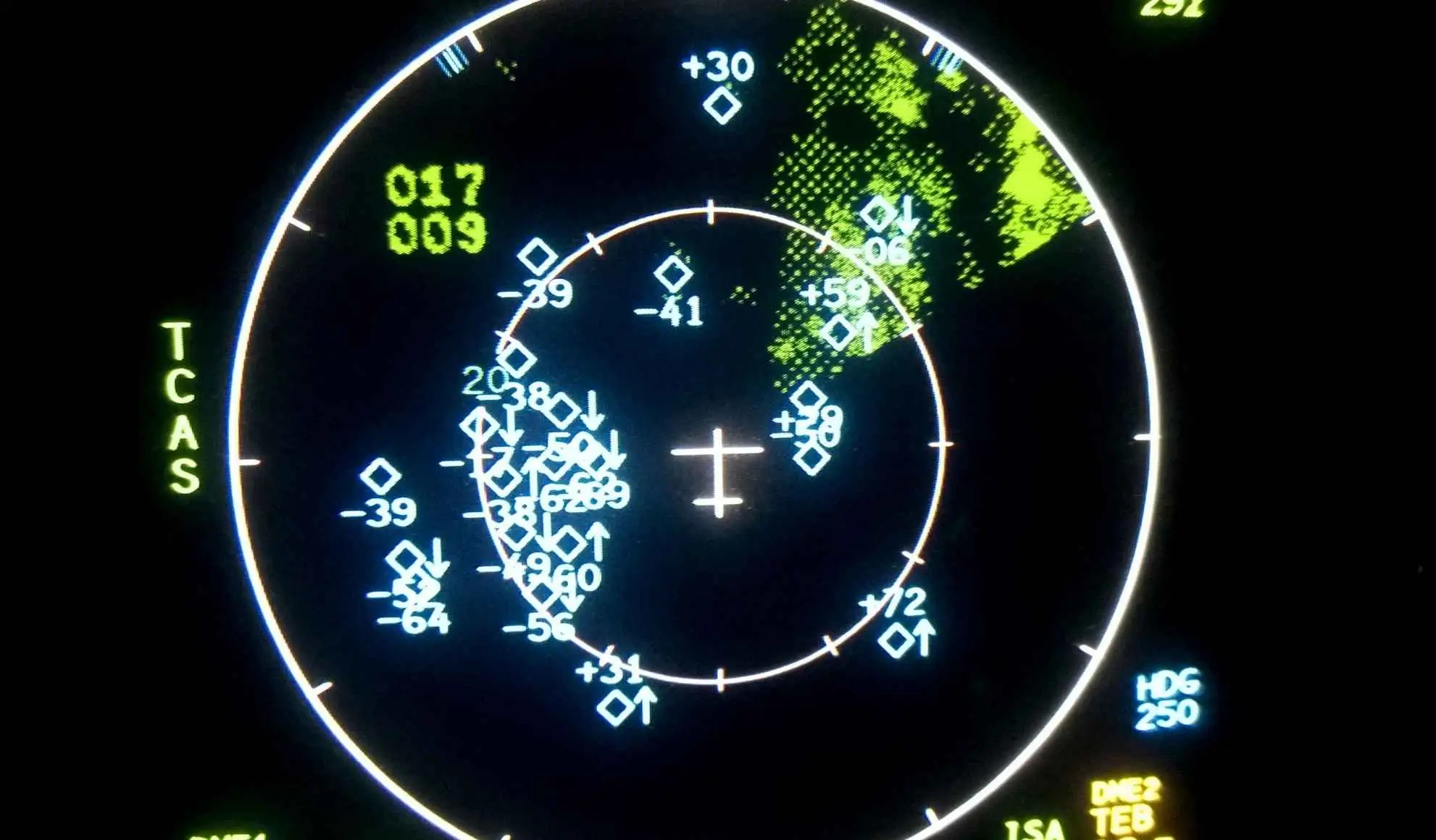
Interpreting the flight crisis means going beyond the observation of events and understanding the underlying logic of how the system operates. Travel management can no longer be confined to an operational coordination role; it must evolve towards analysis and anticipation.
The real value does not lie in reacting faster to disruptions, but in reducing overall exposure to an unstable environment, through decisions that consider the system structure and its inherent limits.
Reading the context before making decisions
Reading the context today means acknowledging that air transport and the airline industry crisis no longer provide the same implicit guarantees they once did. Stability is no longer a baseline condition, but an outcome that must be deliberately built, considering real constraints such as capacity, fleet rigidity and dependence on external variables.
This perspective requires a shift in approach, starting from the complexity level of the travel project itself. The more articulated the project, the more essential it becomes to question the robustness of the context in which it is embedded.
The value of a strategic vision in corporate travel
A strategic approach to travel management is not defined by the adoption of more sophisticated tools or by greater process standardisation. Rather, it lies in the ability to integrate travel into broader activities planning, assessing its impact before critical issues emerge.
This approach becomes central in travel projects with complex planning, such as corporate events, structured business trips or operations that allow no room for temporal misalignment. In these cases, travel is not a secondary element, but a variable that directly affects project continuity.
The crisis affecting scheduled flights is not an anomaly to be managed, but a structural condition that must be counted. For companies and travel managers, understanding how the system works, where rigidity is concentrated and where exposure is highest is now a prerequisite for designing truly sustainable travel, even in a complex environment.
In today’s increasingly unstable and interconnected environment, the ability to read the context becomes an integral part of travel strategy.
It is no longer just about choosing how to fly, but about understanding the system you are operating in.
Flyness supports companies and travel managers in the analysis phase and contextual assessment, working together to evaluate levels of complexity, operational constraints and risk exposure.
Consulting is not about choosing a flight, but about identifying the travel configuration that best aligns with the project, in a scenario where stability can no longer be taken for granted.