
Behind the scenes of sports team travel
In professional football, an away trip is a complex system that must always run smoothly.
Schedules, transfers, airport procedures, the people involved and extremely tight margins for error all need to work together seamlessly, because every logistical detail has a direct impact on team management.
Behind every departure there is a silent process, often invisible to those who only see the result or the weekend match. It is a process built on coordination, fast decision-making, constant pressure and shared responsibility.
Since its foundation, Flyness has supported top-level clubs in both domestic and international travel. These are environments where every decision carries operational and reputational consequences.
Understanding how football teams really travel means stepping behind the scenes of a system that cannot afford improvisation, as in professional football, travel is an integral part of preparation.
Sports team travel in modern football: why it has become more complex

In recent years, sports team travel has become increasingly complex.
Compressed schedules, back-to-back competitions, frequent travel – often international – and constant media exposure have turned travel into a critical variable within sports management.
The goal is no longer simply “reaching the destination”, but doing so at the right time, under the right conditions, without compromising:
- Recovery time.
- Training routines.
- Staff focus and concentration.
- The club’s image and confidentiality.
In top-level football, a poorly managed away trip is not just inconvenient: it becomes a risk factor. For this reason, today travel is considered a structural component of the team system.
Anyone familiar with the environment of top-tier football clubs knows how much logistical pressure affects both performance and the club’s public image.
Football team travel: the operational coordination behind every departure

Anyone who works closely with professional teams knows that an away trip never involves just one single point of contact.
A wide range of stakeholders revolve around the journey, each with specific priorities and responsibilities:
- The sporting area and team managers.
- Coaching and medical staff.
- Management and communications teams.
- External suppliers, airports, ground handlers and carriers.
It only takes one piece of information not being shared, an outdated schedule or an isolated decision for the entire balance to be disrupted. This is why the real challenge is not the number of parties involved, but their alignment.
In professional football, coordination is not an abstract concept. It is a daily practice built on briefings, cross-checks and the continuous management of variables.
And it is precisely at this stage that the difference emerges between a trip that is fully aligned with the team’s needs and a poorly coordinated journey that generates stress and tension (to explore this topic further, see also How to plan sports team air travel: the Flyness charter guide).
Sports team travel management: when time becomes a critical variable
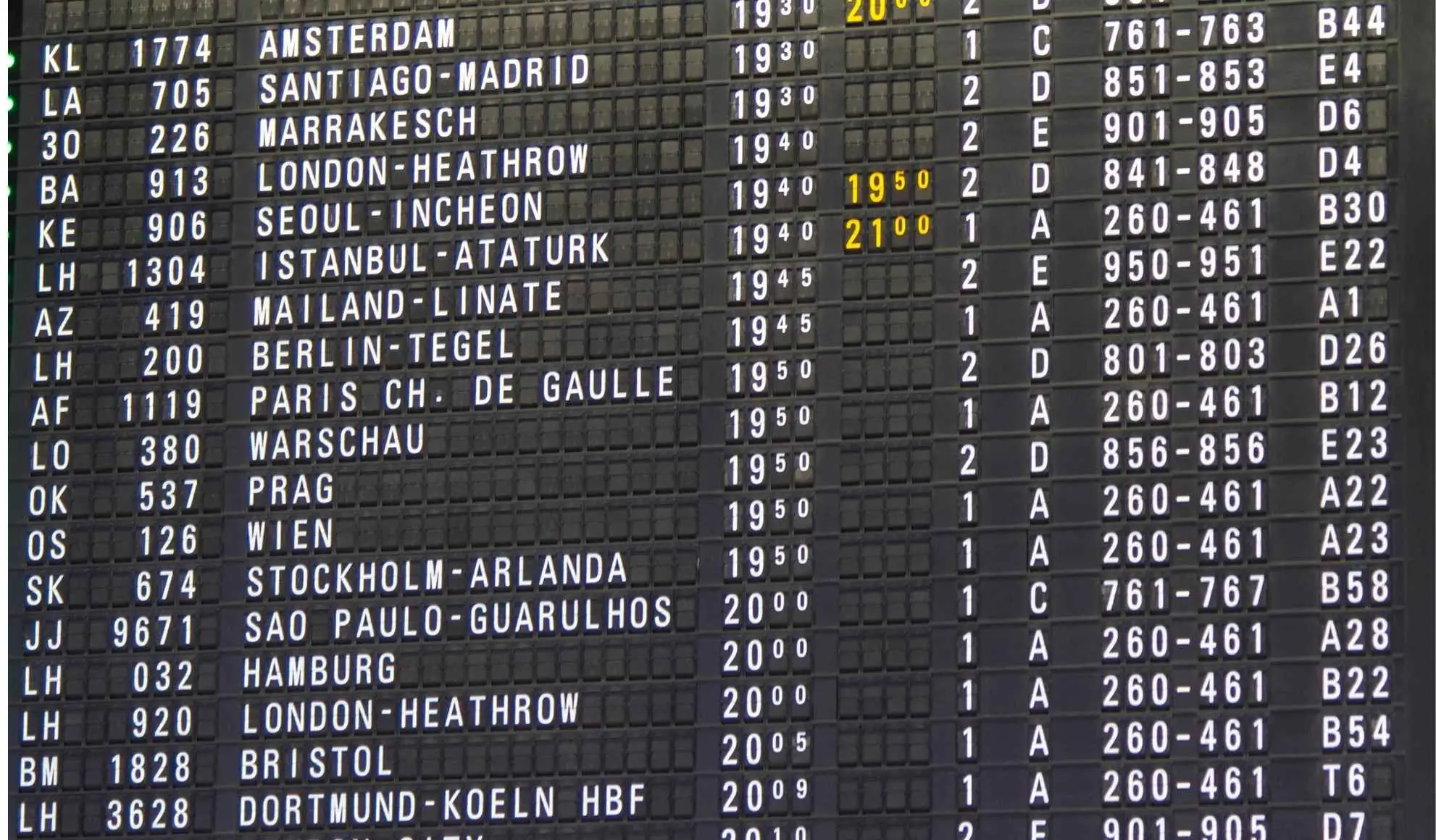
Time is one of the most sensitive resources in sports team travel management.
Match schedules, recovery windows, training sessions, technical briefings and post-match returns must fit together with almost surgical precision.
In this context, defined by tight and highly specific dynamics, travel cannot impose its own pace: it must adapt to the team’s rhythm.
Every minute lost at the airport, every unnecessary wait and every change handled without a structured method translates into organisational stress and wasted energy.
Those who truly understand the dynamics of sports team travel think in terms of continuous flows, where each phase of the journey becomes an integral part of the team’s overall preparation. This aspect is closely linked to athletic performance as well, a topic explored in the Flyness article dedicated to the relationship between charter flights and their impact on professional team performance.
Professional team travel between operational pressure and unforeseen events
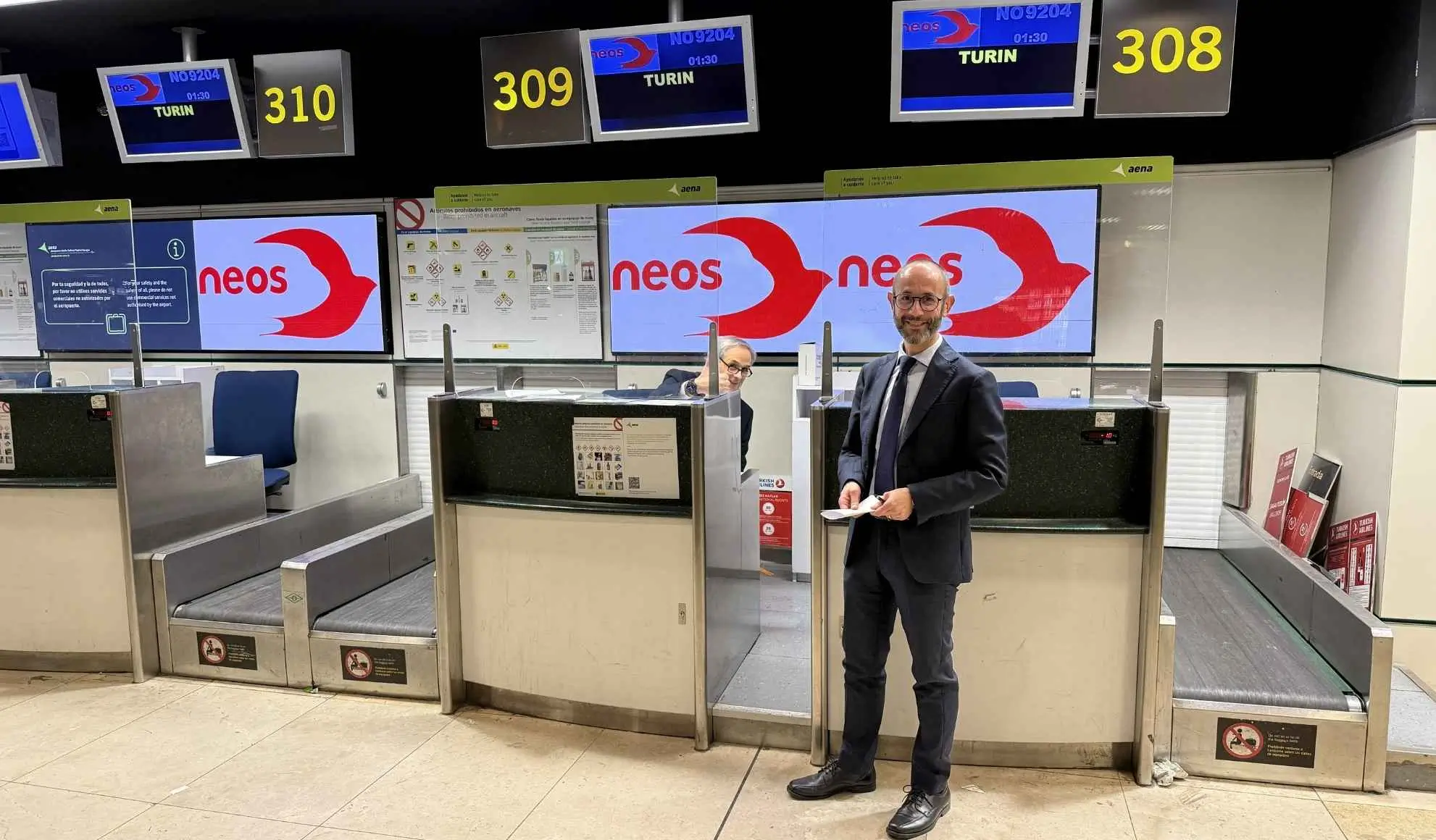
One of the least discussed aspects of professional team travel is the constant pressure that accompanies every stage of the journey.
Last-minute schedule changes, updates to passenger lists, the handling of technical equipment, and the specific needs of coaching or medical staff are all part of day-to-day operations. Added to this are unforeseen operational issues that require fast, coordinated decision-making.
There is also a factor that is often underestimated: protecting the club’s image.
Every movement, every timing decision, and every boarding or disembarking phase takes place under the scrutiny of media, industry professionals and the public.
For this reason, many top-tier football teams choose to manage their departures from dedicated terminals, such as Malpensa SEA Prime, which ensure discretion, privacy and speed during boarding operations, reducing exposure and guaranteeing operational continuity from the very first stages of the journey.
In this scenario, what truly matters is a thorough understanding of requirements, combined with clarity and control in the way each situation is managed, to protect both the team and the staff throughout every phase of the trip.
How are football team trips organised?

There is a clear distinction between moving a team from point A to point B and managing a sports team trip in a structured way.
In the first case, a logistical need is addressed.
In the second one, a complex system is managed – one built on relationships, timing and constant pressure.
Managing a team trip means being able to:
- Anticipate critical issues rather than chasing them.
- Speak the operational language of clubs, airports and airlines.
- Ensure continuity between planning and execution.
- Be present when needed, without interfering.
- Guarantee discretion and privacy.
Within the clubs’ competing calendars of European tournaments or in high-visibility matches, every planning margin makes a difference.
This is a task that can only be handled through real, on-the-ground experience and a deep understanding of dynamics that rarely surface in official statements or post-match reports.
The same management approach also applies to trips organised for supporters and fan club trips, a topic explored in a dedicated article that highlights another dimension of complexity within the sports environment.
When travel management becomes part of the sports organisation

In professional football, away travel is fully integrated into sports management, influencing its balance, timing and operational continuity.
It is a system that works only when every link in the chain is solid, coordinated and reliable.
For clubs and travel managers operating at a high level, travel is no longer an isolated issue to be handled separately, but an integral part of the team’s operational strategy.
This is where the value of a structured approach to travel management becomes clear, one designed to handle changes and unforeseen events with speed and control. And it is often within this quiet yet decisive space that the conditions are created for the team to remain focused on what truly matters: the pitch.
The Flyness experience in sports team travel management
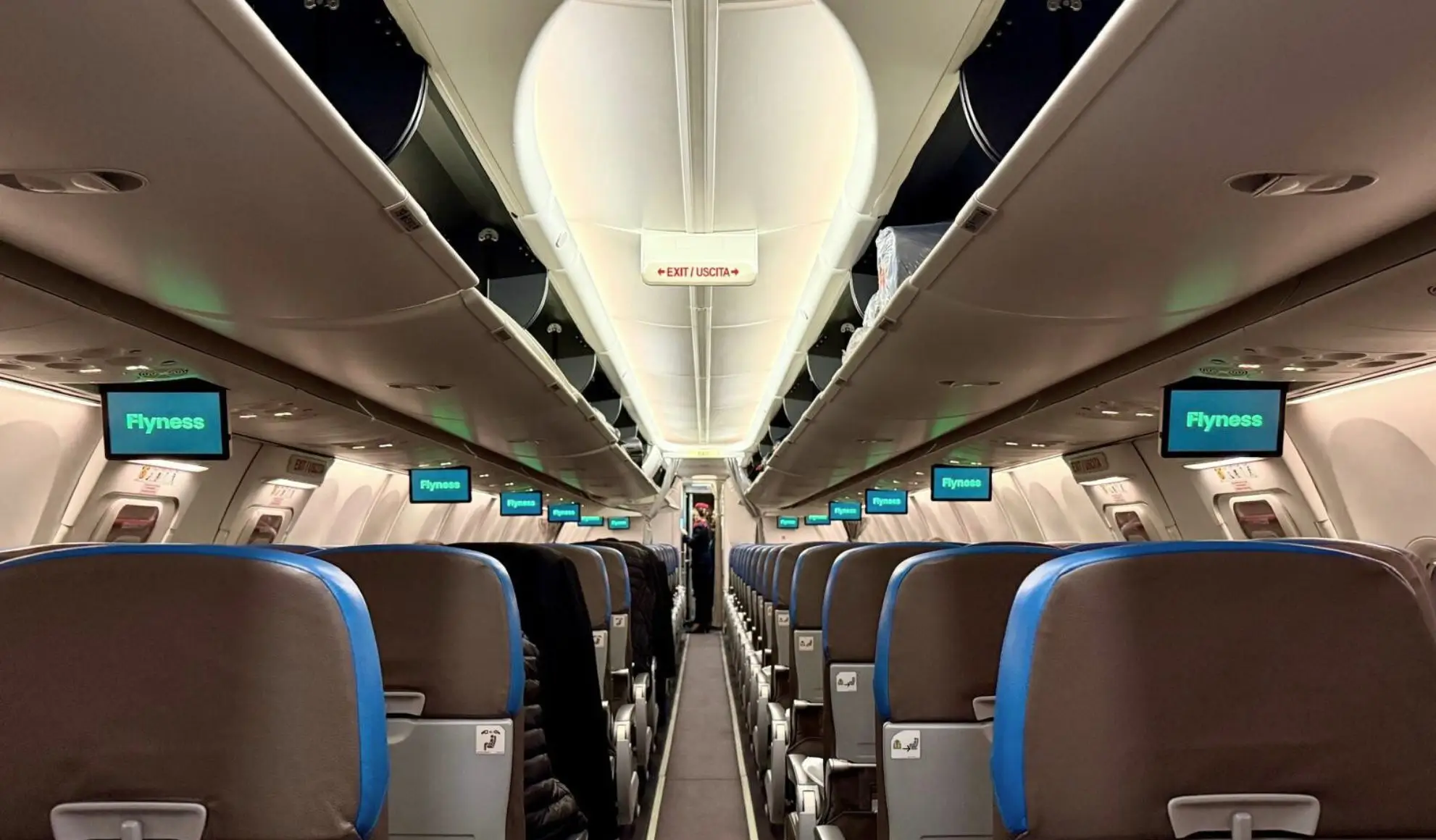
All of this requires expertise that cannot be improvised.
Understanding the dynamics of sports team travel means having experienced them first-hand, managing them in high-pressure environments and developing a method capable of bringing together sporting, operational and management requirements.
Thanks to the professionalism of its team, Flyness has built direct experience in sports team travel, developing dedicated procedures designed to adapt to the operational needs of professional clubs.
Our method allows us to work closely with all parties involved – travel managers, technical staff, carriers and ground handlers – turning air travel into a smooth and controlled phase of the team’s overall management.
Flyness governs complex systems made up of timing, relationships and shared responsibilities, with one clear objective: ensuring operational efficiency and peace of mind for athletes and sports staff, before, during and after the match.
Every week, in dedicated terminals in Milan, Bergamo, Rome and Turin, Flyness coordinates sensitive departures for top-level teams, ensuring operational continuity and strict confidentiality.
If you are responsible for sports logistics and recognise the value of a structured approach, we can discuss the requirements, critical issues and optimisation opportunities for your club’s upcoming team trips, starting with a dedicated consultation.