Football training camps are the moment when a new season begins to take shape. Training sessions, fitness preparation and pre-season friendly matches lay the foundations for everything that follows.
However, even before any of this begins, there is an operational phase that is often underestimated yet has a direct impact on the group’s balance: the journey to the training camp.
It is the first moment when the team comes together again, adapts to new dynamics and starts building continuity. The season has not reached the pitch yet, but the break is already over. It is a transitional phase that introduces the group to a shared rhythm comprising schedules, spaces and common routines.
What are football summer training camps?

A football training camp is the pre-season period during which a team comes together before the official start of the season to carry out training sessions, fitness assessments, tactical work and pre-season friendly matches.
For professional clubs, however, a training camp goes far beyond what happens on the pitch. It also involves travel logistics, team transfers, coaching staff, medical teams, equipment management, operational planning and the coordination of movements between different locations.
From this perspective, the journey to the training camp is not simply a transfer, but the first organisational step of the new season.
Why travel is part of pre-season preparation
In football training camps, travel is not just the way a team reaches its destination. It is the first step connecting the off-season break to the return to competitive preparation.
Arriving at the training camp at the right time, with the group together and a well-structured schedule, allows players, coaching staff and medical teams to begin pre-season preparation without unnecessary interruptions.
This is why, in professional football, travelling to training camps, pre-season friendly matches and summer tours is planned as part of the preparation itself, not simply as a logistical requirement.
Where do football teams hold their summer training camps?
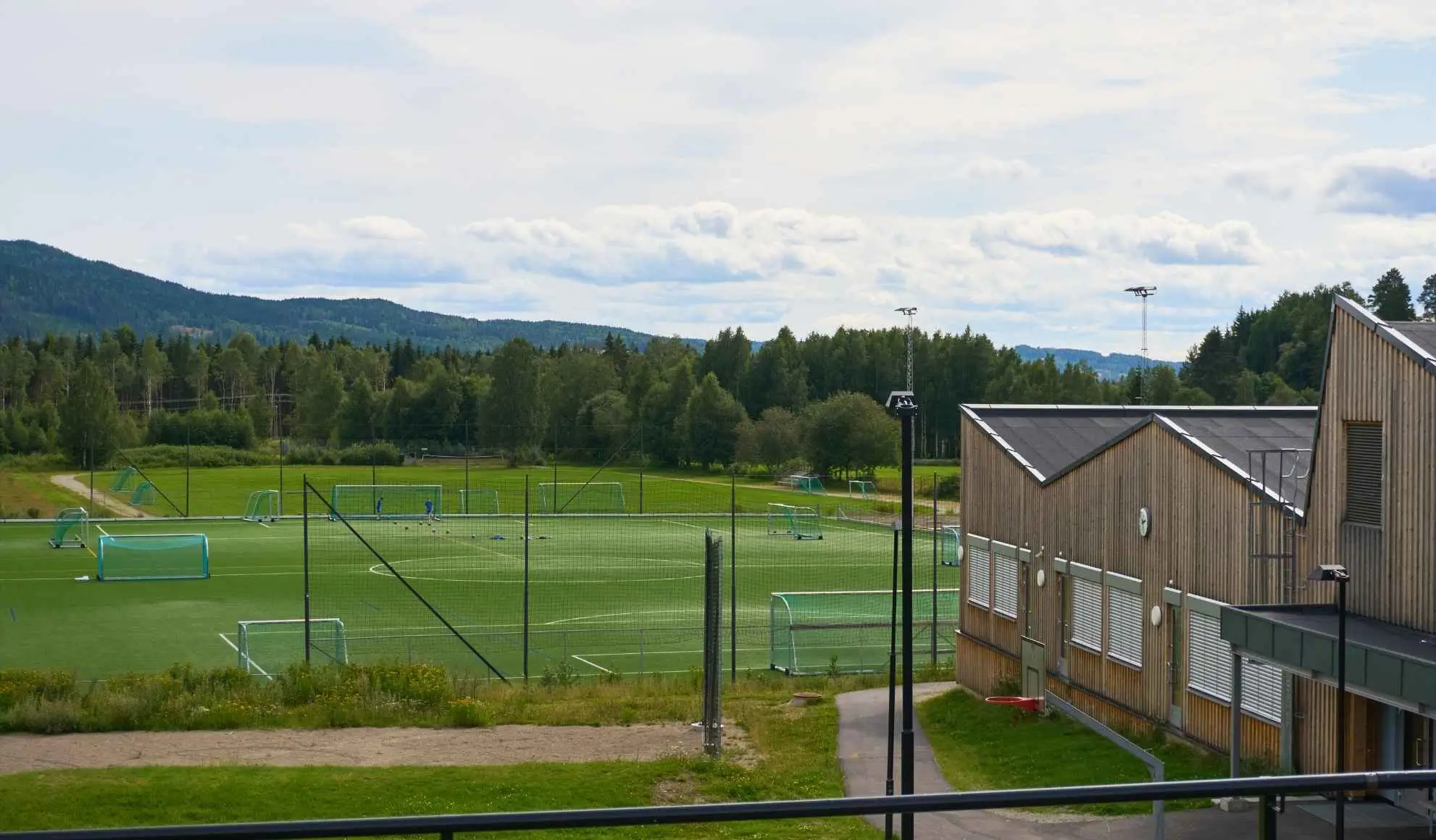
Football teams usually hold their summer training camps in locations that support concentration, fitness preparation and a certain degree of separation from the distractions of everyday urban environments.
Some of the most common destinations include:
- mountain regions such as Trentino-Alto Adige and the Dolomites, ideal for physical conditioning
- specialised sports centres in Austria and Switzerland
- fully equipped facilities in England and Germany used by international clubs
- sports resorts in Spain and Portugal, often chosen for pre-season friendly matches
Italian destinations such as Val Rendena, Auronzo di Cadore and Dimaro
What influences the choice of a training camp location?
A summer training camp location is selected according to both technical and operational criteria. Clubs evaluate the quality of the pitches, the availability of gyms and medical facilities, proximity to airports, privacy levels and the possibility of organising pre-season friendly matches with other teams.
Climate also plays an important role. Many clubs choose mountain destinations to train in milder temperatures, while others prefer international sports centres already equipped to host large professional groups and complex operational setups.
When do football summer training camps begin, and how long do they last?
Football summer training camps generally begin between June and July, after the off-season break and before the start of official competitions. Their duration varies depending on the club’s schedule, international commitments, summer tours and pre-season friendly matches.
In many cases, a training camp lasts between one and three weeks, although it may be divided into several phases: an initial period focused on fitness preparation, a second phase dedicated to tactical work and a final stage linked to test matches, transfers and pre-season friendlies.
How are football training camps organised?

A football training camp is not just about what happens on the pitch. It is a complex operational system involving:
- transfers for players, staff and equipment
- planning of friendly matches and intermediate travel
- coordination of schedules, recovery time and travel logistics
It is precisely during this phase that pre-season preparation truly begins, often even before the first training session.
What happens during a football summer training camp?
During a summer training camp, a football team alternates between fitness sessions, technical training, tactical meetings, physical assessments, recovery periods and pre-season friendly matches. Medical teams monitor the players’ condition, while the coaching staff focus on integrating new signings and building the first tactical connections within the squad.
From an operational perspective, every day is carefully planned: meal schedules, recovery time, transfers to training grounds, equipment handling, travel for friendly matches and coordination between clubs, hotels, sports facilities and airports.
This is why logistics should not be seen as something separate from pre-season preparation. It is one of the conditions that allows the team to work with continuity and consistency.
Football training camps: when the season starts before the pitch

A football training camp is not just a destination. It is a process.
During the first few days, several dynamics overlap:
- New signings adapting to the group
- Coaching staff redefining methods and rhythms
- Young players are entering unfamiliar environments
- Athletes returning from the off-season with different physical conditions
In this context, football pre-season preparation does not begin with the first training session, but with the first truly shared moment.
And it is often the journey to the training camp that becomes the first concrete phase in which the group enters the rhythm of the new season.
It is the moment when the team stops being a collection of individuals and starts moving as a system. A quiet but decisive transition that helps create the foundations on which the entire season will be built.
Why the first transfer is part of pre-season preparation
The transfer to the training camp is the first moment in which a club tests its organisation away from the pitch: passenger lists, technical equipment, luggage, schedules, staff coordination and arrival procedures all need to function as a single operational flow.
Unlike an ordinary journey, team travel requires the simultaneous coordination of players, coaching staff, medical teams, management and equipment.
When this process works smoothly, the team arrives ready to begin the planned work immediately, with fewer delays, fewer disruptions and a more organised structure from the very first hours of the training camp.
Pre-season friendly matches: preparation in motion

Today, football summer training camps are no longer static.
Alongside training sessions, more teams now include:
- pre-season friendly matches
- international tournaments
- travelling to test matches
- transfers between multiple locations
Pre-season preparation has become dynamic, spread across different places and phases of the schedule.
This means that a training camp is now a system constantly in motion.
Every transfer, including the very first one, must align with recovery times, planned training sessions and the needs of the coaching staff.
A poorly coordinated journey can create delays, unnecessary waiting and operational disruptions precisely when the team is beginning to build its working routines.
A well-planned transfer, on the other hand, helps maintain the stability of the technical programme and reduces interruptions between one stage of preparation and the next.
What role do pre-season friendly matches play in preparation?
Pre-season friendly matches are used to assess fitness levels, test new tactical systems, evaluate young players and integrate new signings into the team structure. For this reason, they are often scheduled during the training camp itself or immediately after the first phase of physical preparation.
When a team plays several friendlies in different locations, travel management becomes even more important. Every transfer must respect recovery periods and training schedules, avoiding unnecessary transitions that could affect the organisation and balance of the group.
The first transfer: when a team begins to take shape
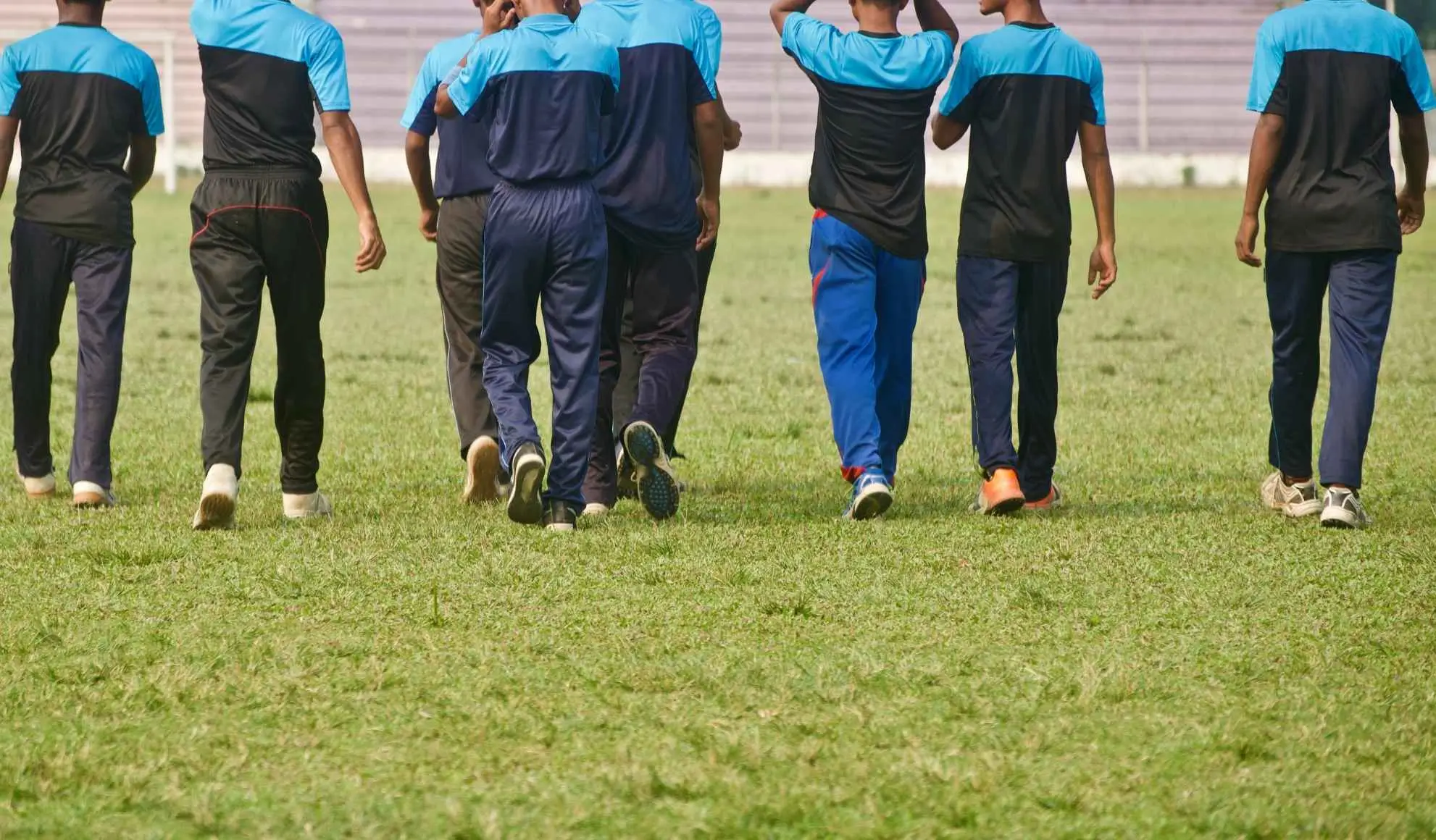
The transfer to the training camp is the first moment in which the team truly exists as a group.
No longer a collection of separate individuals, but:
- A passenger list reflecting new hierarchies
- An operational staff is required to move in full coordination
- Technical equipment that must be managed without margin for error
It is a delicate phase because it takes place while the group is still evolving.
The dynamics are not yet fully established, new reference points are still being built, and the overall balance of the team is still taking shape. Even if it is not yet an official match, every detail already carries weight.
The quality of the transfer directly affects:
- Timing
- The perception of the organisation
- The fluidity of the start of pre-season
- The ability of the group to quickly enter a shared working rhythm
The team’s logistical requirements
A team travelling to a training camp must coordinate players, coaching staff, medical teams, management, sports equipment, personal luggage, training gear and, in some cases, medical devices or recovery equipment.
Alongside these operational needs come additional requirements such as privacy, punctuality, group boarding procedures, and coordination between airport operations, flights, arrivals and onward transfers to the chosen training camp facility.
Football team charter flights: operational continuity from departure
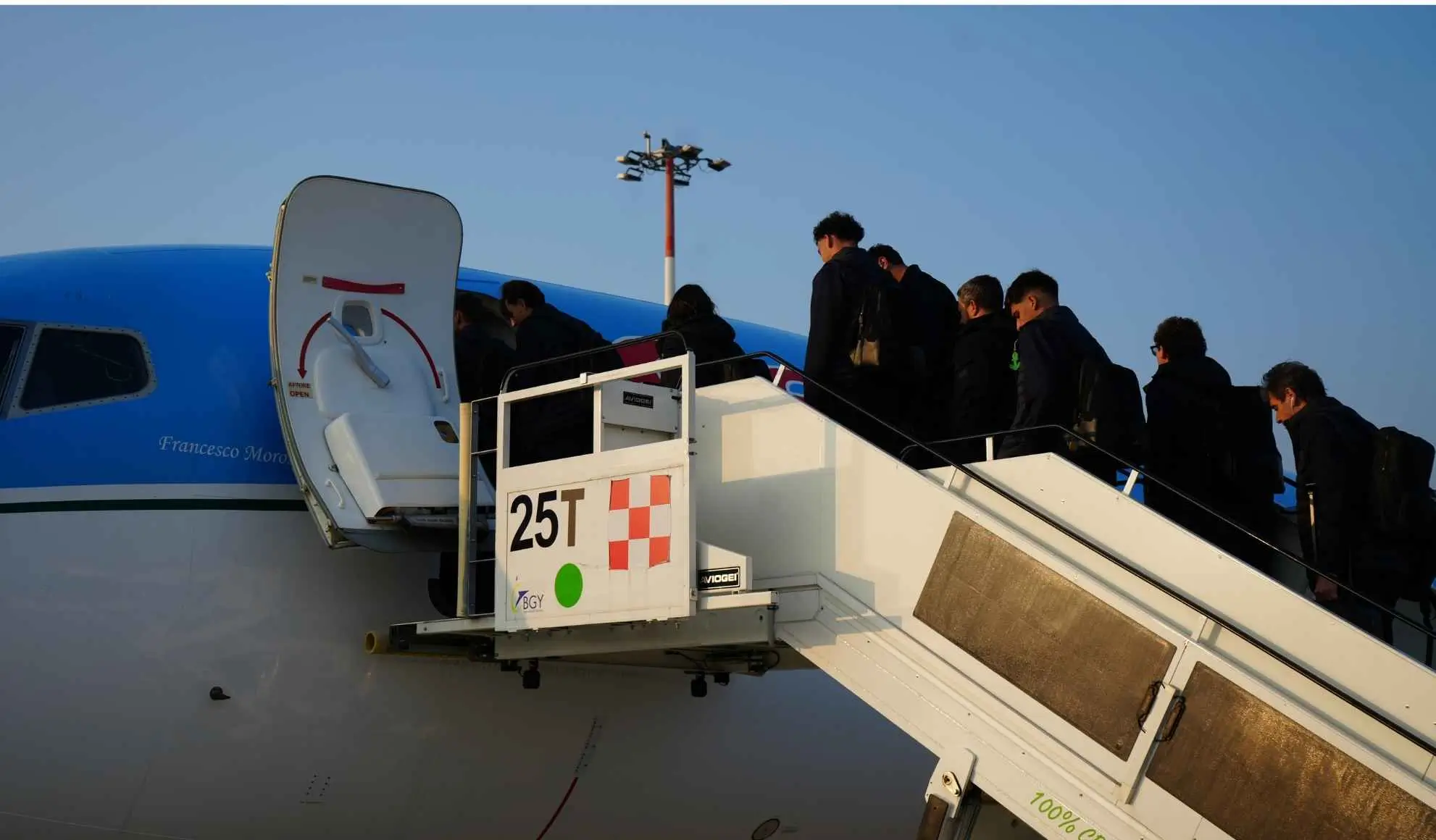
In the context of football summer training camps, charter flights represent a choice that goes far beyond simple logistics.
It is not just about:
- selecting a departure time
- defining a route
- managing a group of passengers
It is about creating a transfer that aligns with the team’s technical programme, recovery schedules and organisational requirements.
A charter flight allows clubs to:
- Adapt operations to the team’s specific needs
- Avoid the disruptions typically associated with shared travel environments
- Manage equipment and staff more directly
- Build a transfer schedule consistent with the rhythm of pre-season preparation
- Keep the entire group together by bringing players, coaching staff, medical teams and management into one dedicated environment, without fragmentation
This last aspect is often underestimated: travelling together, within the same controlled environment and without external distractions, allows the team to begin building focus, relationships and identity even before arriving at the training camp.
In this sense, travel becomes an integral part of the sporting process.
To learn more about how professional clubs organise their journeys, you can also read our article on how football teams travel and our guide on organising sports team travel by air.
The difference between scheduled flights and charter flights for football teams
When travelling on scheduled flights, teams must adapt to pre-existing schedules, passenger flows and availability. By contrast, with a charter flight, operations are designed around the club’s needs.
The main differences include:
- flight schedules aligned with the technical programme
- less fragmentation between players, staff and management
- greater privacy throughout the journey
- more direct handling of luggage and technical equipment
- fewer waiting times, stopovers and unnecessary transitions
For a team in the middle of pre-season preparation, these elements can help create the right environment for focus and continuity.
Team transfers and the rhythm of pre-season
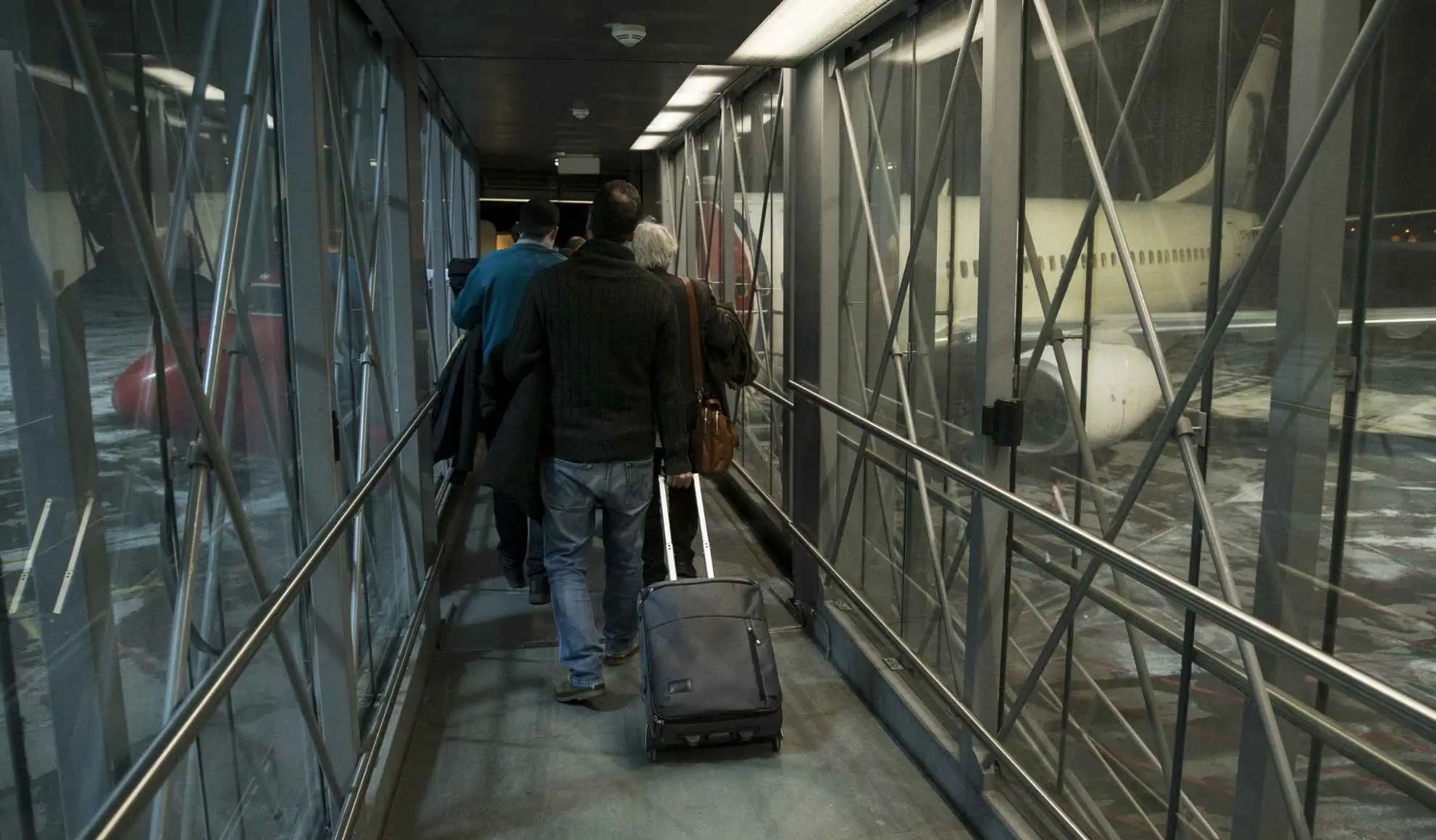
During pre-season, every detail contributes to the quality of preparation.
Training sessions, recovery, nutrition, rest and travel all need to be coordinated with precision.
Transfers must fit within this structure, avoiding delays, unnecessary transitions and operational disruptions.
When travel:
- respects the team’s schedule
- reduces waiting times
- maintains order throughout operational flows
- avoids unexpected interruptions
It allows the group to arrive at the training camp without disrupting the work planned by the coaching and medical staff.
At this stage, a well-planned charter flight helps maintain stability across the programme, the concentration of the squad and the organisation of the group.
How logistics affects recovery and concentration
Travel logistics can directly influence recovery quality, fatigue management and the team’s overall concentration. Long waiting times, poorly coordinated transitions or fragmented journeys can drain energy precisely during the phase in which the squad is building physical condition and operational routines.
A well-structured transfer, on the other hand, makes it possible to respect rest periods, nutrition schedules, training times and the needs of the staff. During pre-season preparation, reducing interruptions and simplifying operational coordination can make the difference between a smooth start and a preparation process affected by avoidable external friction.
Flyness’ role in charter flights for sports teams
At Flyness, flights to training camps and pre-season friendly matches are not considered secondary compared to competitive fixtures. They are one of the first operational phases in which the new season begins to take shape.
Every charter flight for sports teams is designed to:
- Adapt to the club’s specific requirements
- Guarantee operational continuity from departure onwards
- Reduce margins for unexpected disruptions
- Mreaintain fluidity throughout the most sensitive stages of the journey
It is the same approach we apply to match travel, operational supervision and the management of privacy and security for clubs and athletes.
Because even when no match is being played, the team is already in motion. And the way it moves is already part of its preparation.
Managing this phase with attention and consistency means allowing the team to begin its season with clear timing, organised operational flows and a structure aligned with sporting requirements.
When to consider a charter flight for a training camp or pre-season friendly
A charter flight can be considered when a team needs to reach a training camp destination, take part in a pre-season friendly, manage a summer tour or coordinate travel involving specific requirements related to schedules, privacy, staff and equipment.
This option becomes particularly valuable when the sporting programme requires precise timing, when the group needs to travel together or when the destination is not efficiently served by scheduled airline connections.
Do you need to organise travel for a football training camp, a pre-season friendly or a summer tour?
Flyness can design a tailored charter flight solution for clubs, staff and equipment, with operations aligned to sporting schedules, privacy requirements and team logistics.
Tell us your destination, travel period, number of passengers and operational needs: the Flyness team will help you build a dedicated flight solution designed to support the team from the very first movement of the season.