Behind the scenes of airport operations
Between an aircraft’s landing and its next take-off, a complex operation unfolds. People, vehicles, services, and schedules must work together, with each activity fitting into the time available before the next departure.
This is the challenge of coordinating airport operations during an aircraft turnaround: ensuring ground tasks in the right order, on time, and without disrupting other activities.
Stefano Buffoni knows this world well. Today he works on Flyness’s operations team, but before joining the company, he spent many years in coordination at Milan Malpensa Airport.
That experience still shapes the way he approaches charter flights. When Stefano looks at a flight, he sees more than a route, an aircraft and a passenger count. He can anticipate what will need to happen at the airport when the flight takes place.
With his help, we look behind the scenes at the work that begins when an aircraft touches down.
What does coordinating an aircraft turnaround involve?
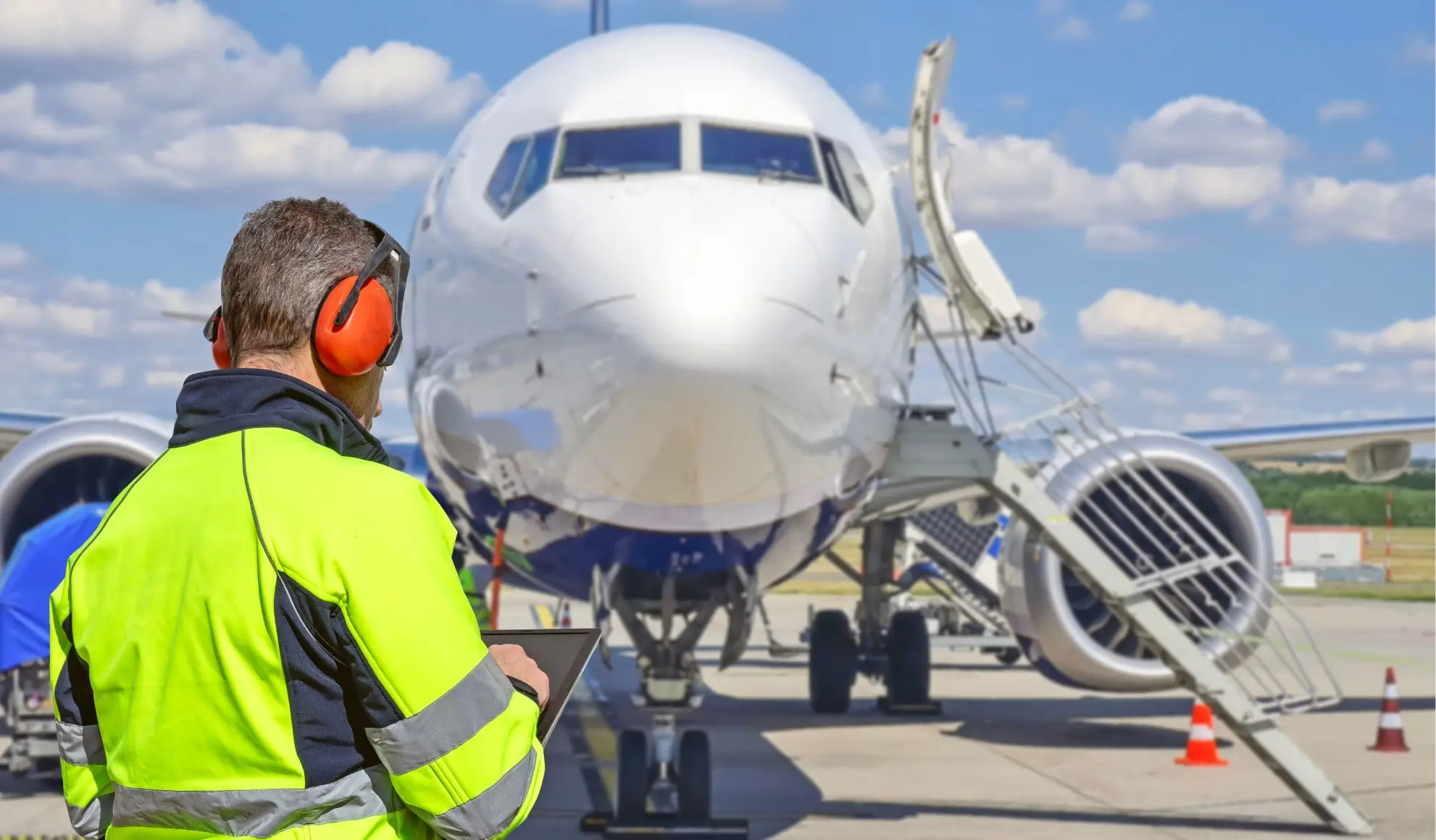
Airport operations coordination brings together the activities and resources needed to manage an aircraft on the ground between arrival and its next departure. The aim is to ensure that staff, equipment and services are available in the right sequence and within the turnaround time.
Different teams are involved, each with their own responsibilities. Coordination means keeping track of what has been completed, what can happen simultaneously and what must wait until another task is finished.
In other words, each task must happen at the right moment, without getting in the way of the others: completing them isn’t enough.
It is precisely this ability to read the relationships between the various activities that Stefano brings to Flyness’ operational work today.
How do airport teams prepare for an aircraft’s arrival?
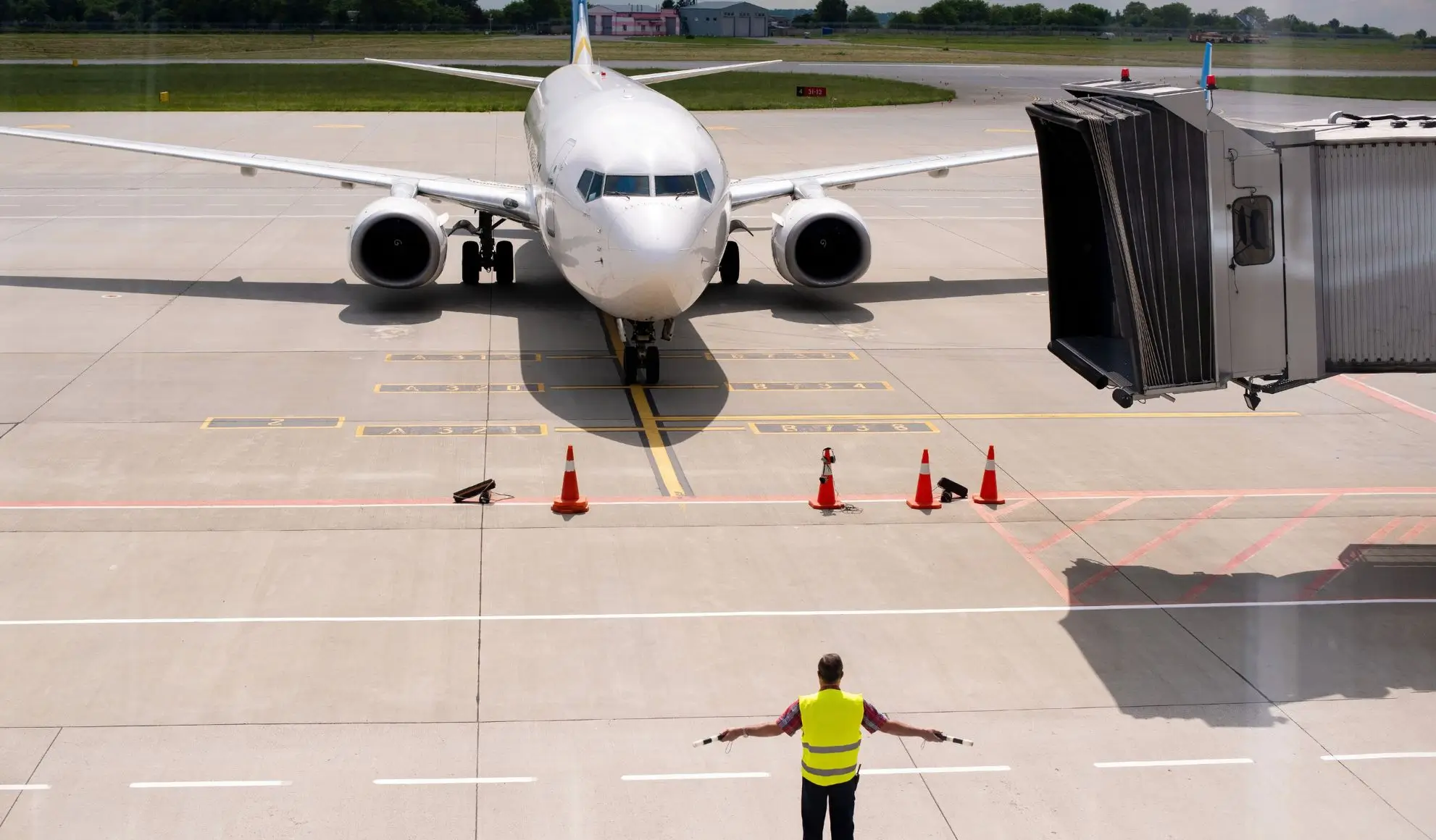
Before an aircraft lands, much of the preparation is already underway. The airport needs to know where it will park, which services are required and which resources must be ready when it reaches its allocated stand.
One of the first steps involves assigning the parking space, or stand. The choice depends on several factors, including aircraft size and type, arrival and onward departure times, stand availability, foreseen services and whether an airbridge will be used.
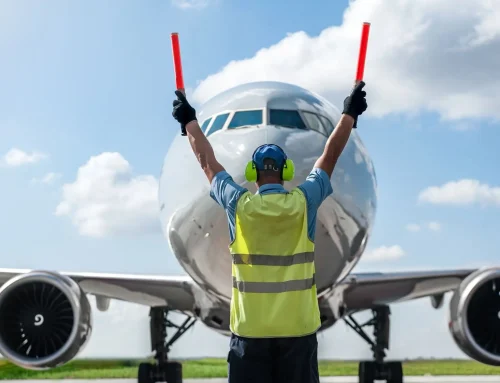
After landing, the pilot receives instructions to reach the assigned area. As the aircraft approaches its stand, ramp staff assigns final positioning, an aircraft marshaller, who uses visual signals to guide the aircraft during parking, or an automated guidance system, depending on airport procedures.
For passengers, this is the final step of their journey. For ground workers, a particularly busy phase is just beginning.
Aircraft turnaround time: when 45 minutes must be enough
Imagine an aircraft arriving at its stand at 10.00 and needing to be ready for its next departure at 10.45. Forty-five minutes may sound like plenty of time, but every activity must fit into that window, often alongside several others.
Stefano uses this example to show what operational coordination really involves. As passengers disembark and baggage is unloaded, preparations for the next flight may already be starting on board. Meanwhile, other providers tackle the schedule, traffic, and readiness for the subsequent flight.
The challenge is not to follow a rigid minute-by-minute checklist. It is to understand which tasks can run in parallel and which depend on something else being completed first.
If a service takes ten minutes longer, the consequence isn’t automatically a departure ten minutes later. The teams involved need to establish which activities can continue, which are affected and where timings need to be adjusted.
Working in airport coordination teaches you to consider not only what is happening now, but also what needs to happen next.
Which activities must fit into the turnaround?
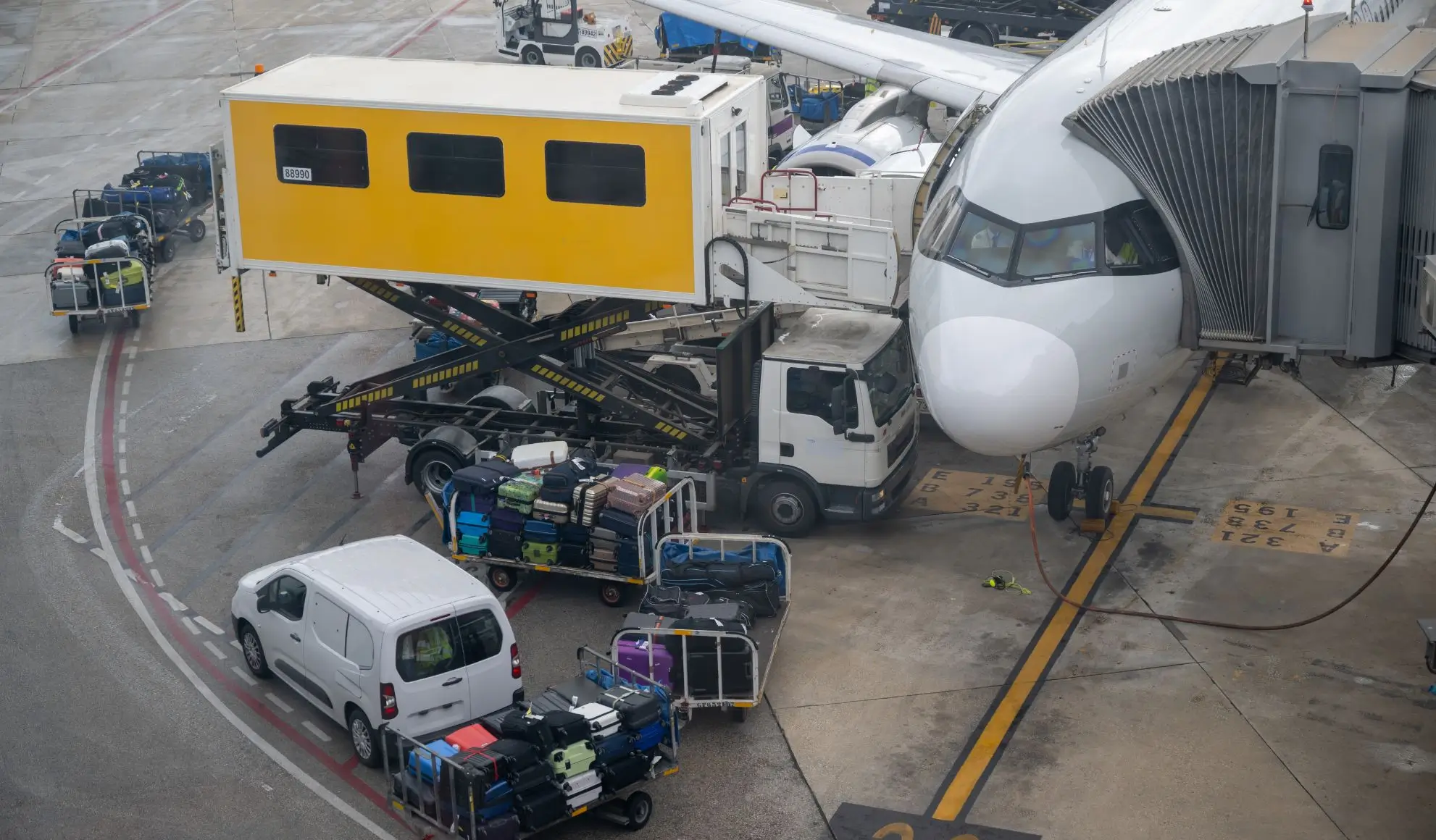
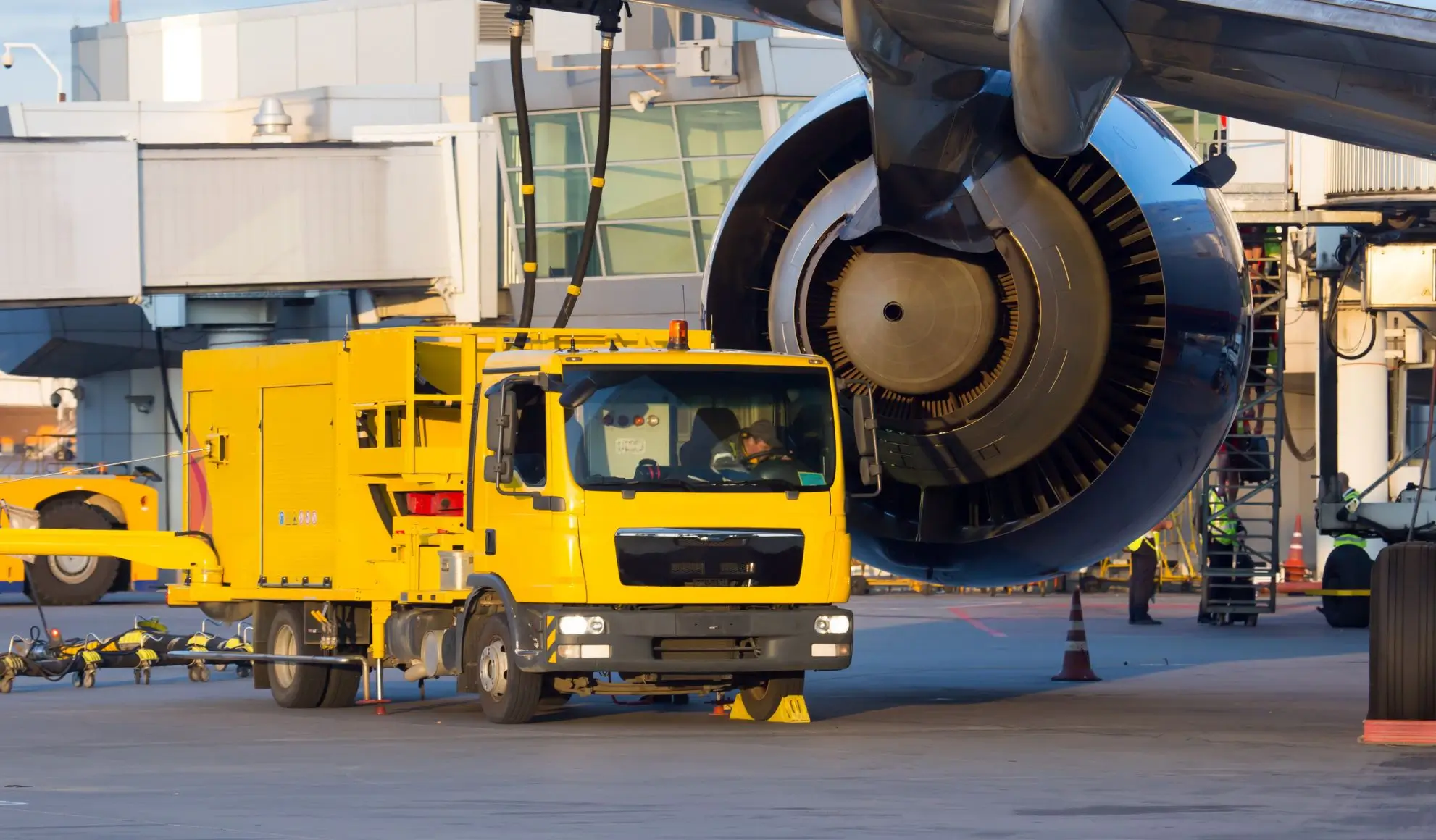
Once the aircraft is parked and made safe, several activities may need to take place: baggage unloading and loading, cabin cleaning and preparation, catering, refuelling, water and lavatory servicing, any necessary technical work and arrangements for the next departure.
Some concern the aircraft itself, while others relate to passengers. What matters here is how they fit into the same operational window, rather than the individual services considered in isolation.
For a more detailed explanation of those services and who provide them, see our guide to aircraft ground handling for charter flights.
From follow-me vehicles to aircraft pushback: how aircraft move on the ground
Two activities passengers may spot from the terminal are the use of a follow-me vehicle and aircraft pushback. They serve very different purposes.
A follow-me vehicle may be necessary to guide an aircraft along certain ground routes. This can be helpful when routes are complex, work is taking place, temporary changes affect airport traffic, visibility is reduced, or local procedures require an escort. It does not replace air traffic control clearance, wherever required.
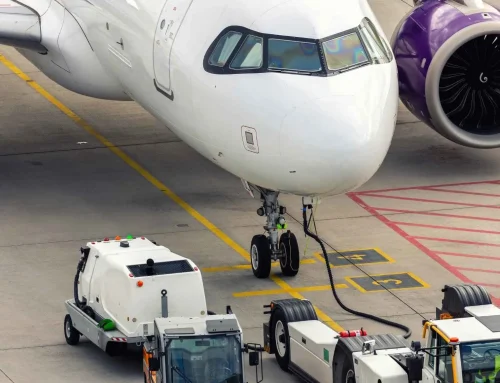
Aircraft pushback, by contrast, is the manoeuvre in which a dedicated vehicle moves an aircraft away from its stand before it begins taxiing.
From a distance, it may look straightforward. In practice, several people must coordinate the manoeuvre and ensure the surrounding area is clear and safe.
Once the tug has disconnected and the aircraft is ready to taxi towards the runway, most of the groundwork described so far is complete.
Who needs to coordinate during airport ground operations?
An aircraft turnaround involves several organisations and teams. They don’t all perform the same tasks or hold the same responsibilities: effective coordination depends on knowing which team to involve, and when.
| Party | Role during airport operations |
|---|---|
| Airport managing body | Manages airport infrastructure and coordinates the resources within its remit. |
| Gound handler | Delivers agreed ground services and, depending on the airport and provider, may help coordinate activities while the aircraft is on stand. |
| Ramp staff | Carry out operational duties around the aircraft and coordinate services during its time on stand. |
| Air carrier and crew | Are responsible for flight operations and matters relating to the airline and aircraft within their remit. |
| Air traffic control | Manages aircraft movements in the areas under its responsibility and issues the clearances required for the relevant phases. |
The focus isn’t simply who performs each task, but how these different responsibilities connect throughout the turnaround.
Passengers and baggage: what changes with a large group?

Airport operations extend well beyond the aircraft stand. Inside the terminal, too, there is a great deal of planning that passengers rarely see.
Check-in desk allocation, for example, depends not only on passenger numbers but also on the flight’s departure time, its requirements and the terminal resources available.
The same applies after landing: baggage reclaim belts are allocated according to the flight schedule and expected passenger flows.
These decisions become particularly significant for large groups. A charter carrying 150 or 180 passengers requires more than an aircraft with the right capacity. It can also mean 150 or 180 people reaching the airport within a short period, with baggage to check in, possible special requirements and boarding deadlines to meet.
This is another area where Stefano’s first-hand airport experience helps him assess the flight’s charter operational needs.
What changes when coordinating a charter flight?
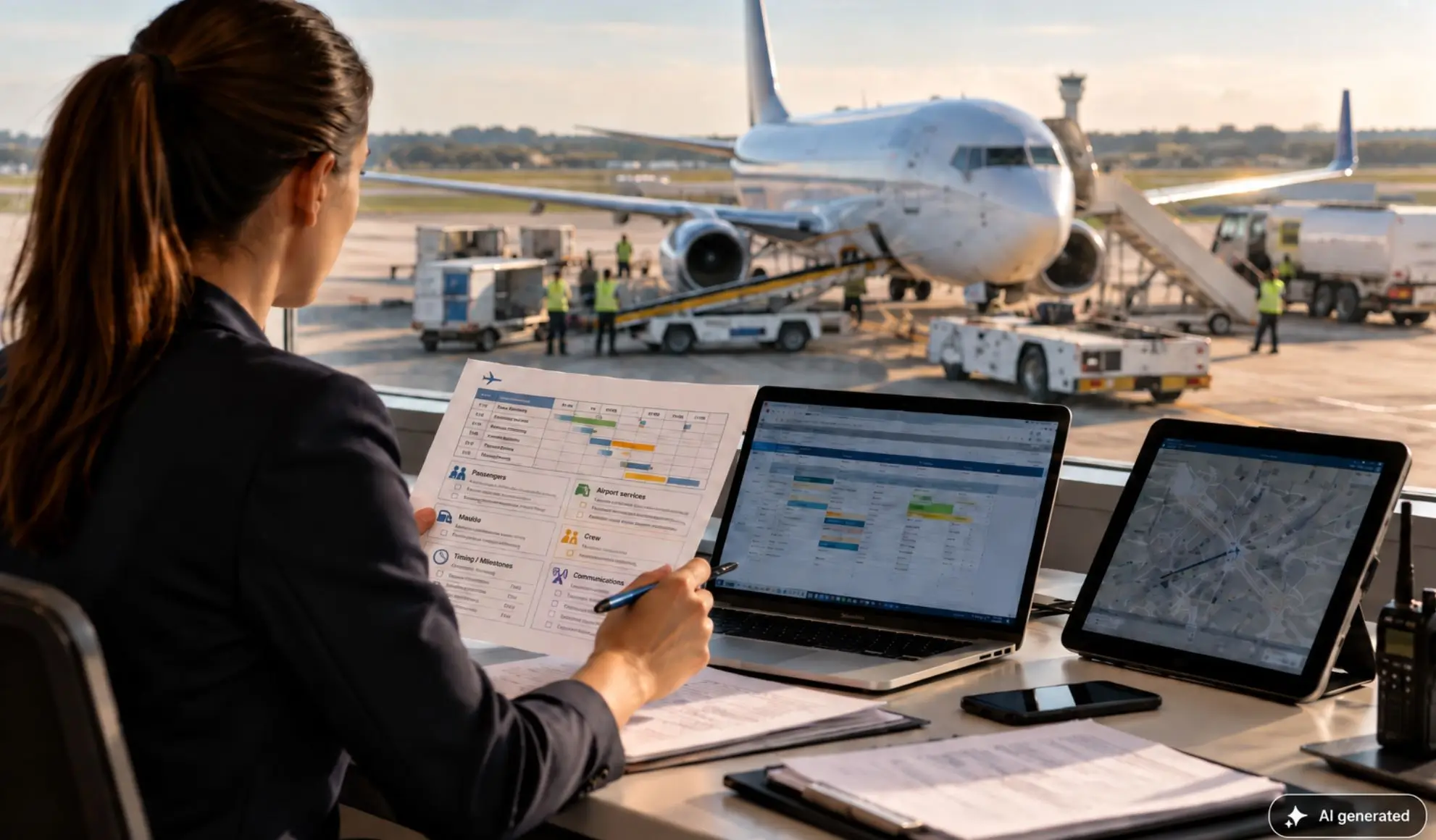
Airport procedures do not change simply because a flight is a charter. What can change is the nature of the requirements and, above all, how many of them arise at the same time.
A group will often arrive together, bring a substantial amount of baggage, require special assistance or need additional apron buses to travel between the terminal and the aircraft.
That is why one idea comes up repeatedly when Stefano talks about his work: anticipation.
With a large group, it is better to identify the resources that may be needed before a problem develops. The key is to think ahead about how people will move through the airport and what requirements that movement may create.
From Malpensa to Flyness: why Stefano’s experience matters
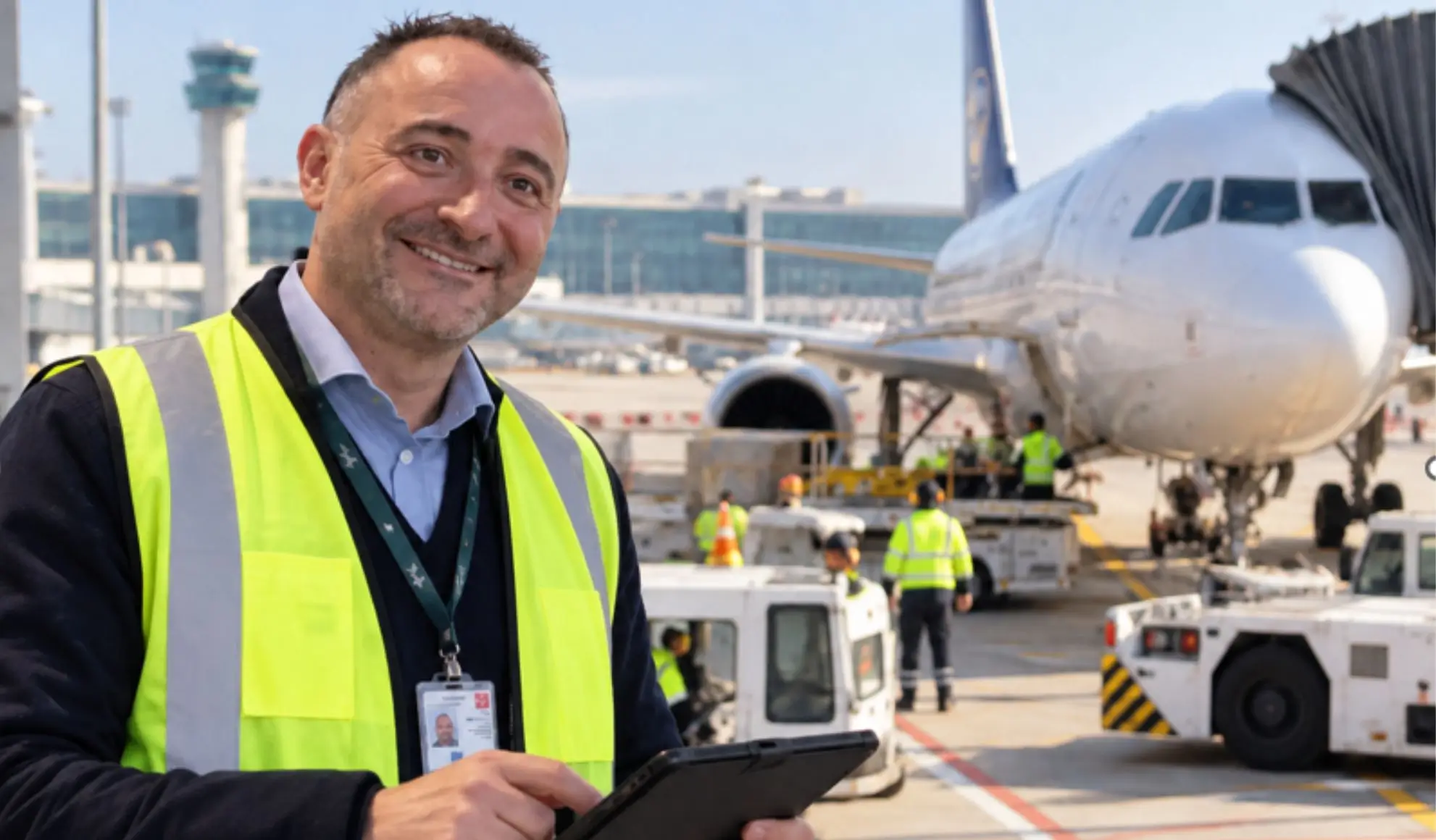
Stefano’s role at Flyness is different from the airport coordination work he carried out at Malpensa. But having worked within that environment has changed the way he assesses a charter flight.
A tight schedule, a large number of passengers to board, substantial baggage volumes or a need for specific services can all have practical consequences for the operation.
His previous experience helps him ask the right questions before avoidable problems arise. Just as importantly, understanding how an airport works means knowing who does what, and who to speak to.
The airport managing body, ground handler, ramp staff, air traffic control, carrier and crew all have different responsibilities at different stages. Because Stefano has worked in that environment, he can more readily identify the appropriate contact for a particular situation.
When something does not go to plan, knowing who to approach avoids unnecessary steps and allows the right people to be consulted more quickly.
This does not mean Flyness takes over the responsibilities of the airport managing body, ground handler, airline or any other organisation involved. The value lies precisely in understanding their respective roles and knowing when and with whom to communicate, whether to prevent an issue or seek assistance from the responsible party when something urgent arises.
It is practical knowledge gained through years of experience: not only understanding what needs to happen but recognising who is responsible for making it happen.
For Stefano, Malpensa is far more than a previous workplace. It is where he developed an understanding of airport operations that he draws on every time he supports a charter flight.
Flyness brings that same operational awareness to charter flight planning, from the first arrangements through to the day of departure.
Planning a flight? Explore Flyness’s tailored charter flight solutions.