

Planning to travel in 2025?
New international travel regulations will emerge, especially within and around Europe.
From the ETIAS visa waiver system to enhanced border checks and updated travel document requirements, staying updated is crucial, especially if planning a group trip or organising some corporate events abroad.
Here’s what you need to know to ensure smooth and compliant departures.
ETIAS: what is it and when will it be mandatory?
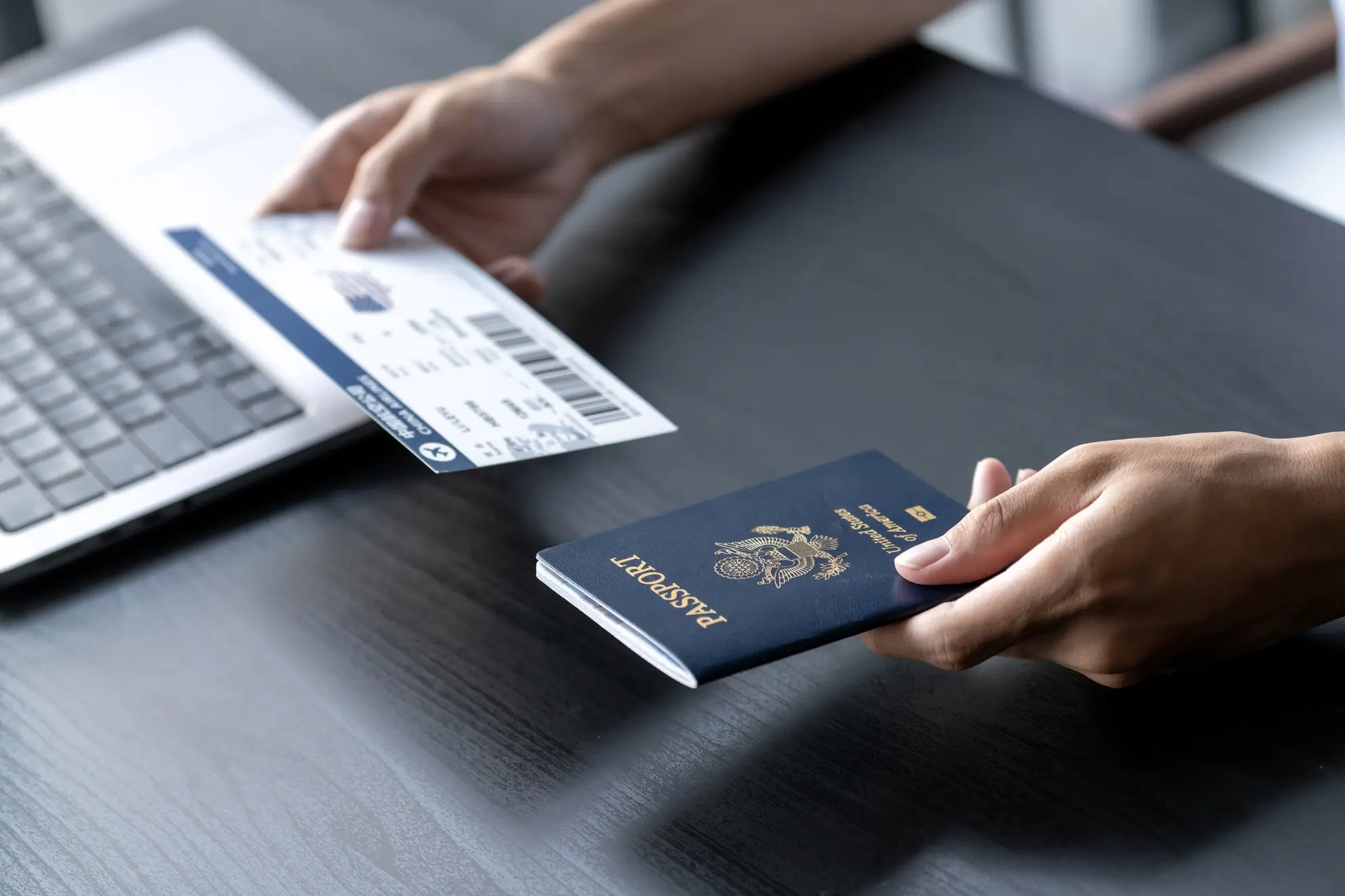
Have you heard of ETIAS but still not sure what it is?
Let’s clarify this new international travel regulation, especially for those managing group travel plans or corporate events across Europe.
ETIAS (European Travel Information and Authorisation System) is a new electronic travel document that will soon become mandatory for entry into Schengen countries, even for short transits or layovers. According to the latest updates, ETIAS is expected to take effect no earlier than 2026.
It is not a tourist visa, but a digital pre-screening system designed to allow European authorities to assess potential risks related to security, public health, or irregular migration before travellers even board their flight.
For official updates on the implementation date and application procedures, visit the official EU website on ETIAS.
Who needs to apply for ETIAS?
The ETIAS travel authorisation is mandatory for all passengers from over 60 countries currently visa-exempt, including the United States, United Kingdom, Canada, Australia, Japan, South Korea, Brazil, Argentina, and Singapore.
Without a valid ETIAS, travellers will not be allowed to board their flight or pass border controls within the Schengen Area.
If you’re planning a group travel plan, corporate event, or sports trip, it’s crucial to verify whether any participants require ETIAS, even for a layover in Europe. This requirement applies regardless of the final destination.
The application process is quick and entirely online. It can be completed by the traveller directly, or by third parties such as travel agencies or HR teams, but legal responsibility remains with the passenger.
Key facts about ETIAS
- Cost: €7 (free for under 18 and over 70)
- Validity: 3 years or until passport expiry
- Application: online, by traveller or authorised third party
- Processing: from a few minutes to 30 days
- Required for: short stays and transits in the Schengen Area
Who can submit an ETIAS application?
As mentioned, the ETIAS application can be submitted either by the traveller or by a third party, such as:
- Travel agencies
- MICE operators
- Corporate travel planners
However, to comply with international travel regulations, the following conditions must be met:
- The traveller’s explicit consent must be obtained
- The passport and personal data used must exactly match the flight booking
- If the passport is renewed, the ETIAS becomes invalid and must be reissued
It’s important to note that the legal responsibility for the accuracy of the ETIAS travel document always remains with the traveller, even if submitted by a third person.
EES 2025: Europe’s new biometric Entry/Exit System
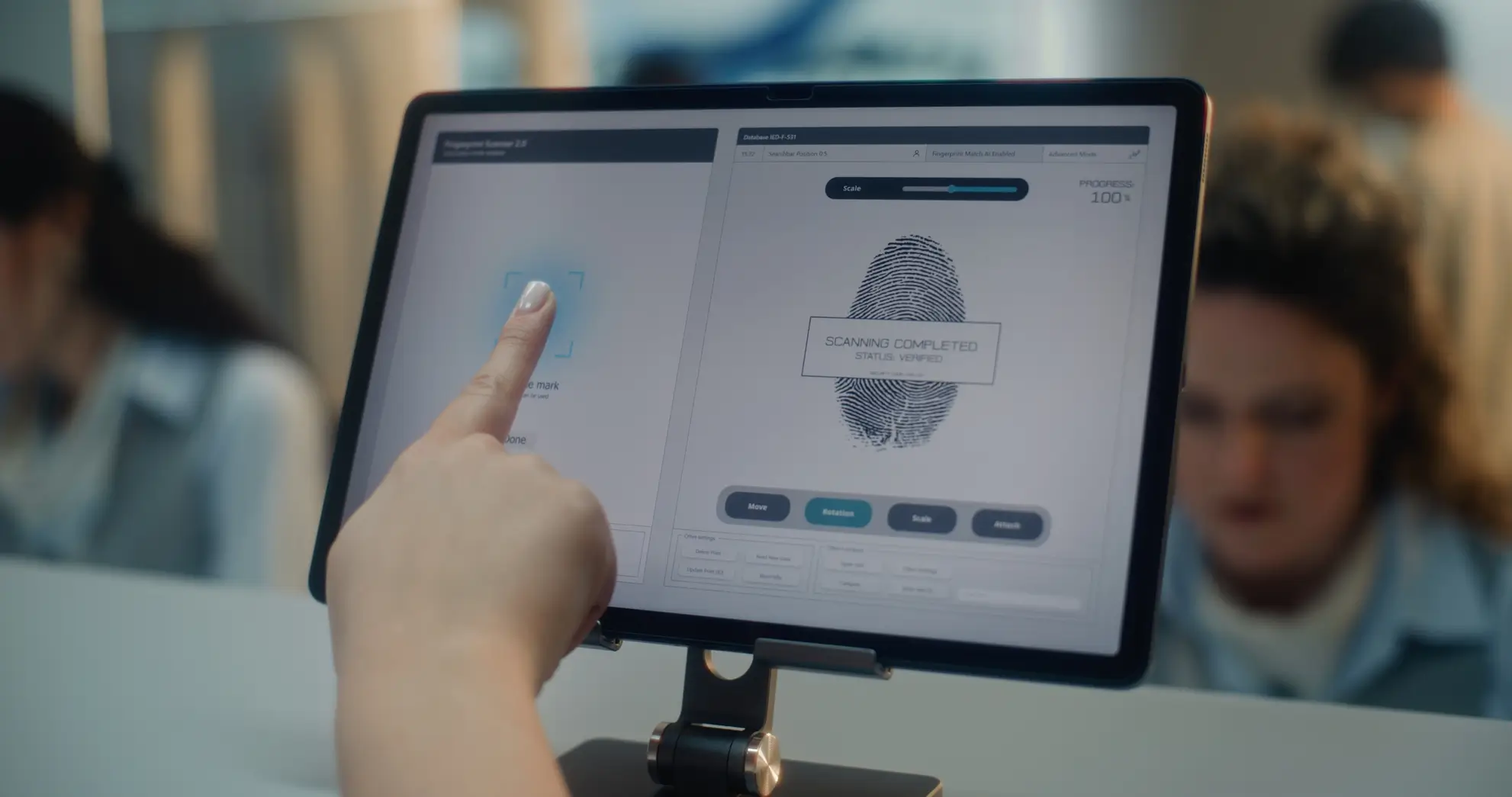
In addition to ETIAS, a second major update to international travel regulations will take effect in October 2025: the Entry/Exit System (EES).
EES will replace manual passport stamping with digital border checks, offering a faster and more accurate process for non-EU travellers entering or exiting the Schengen Area.
For every movement across the border, the system will register:
- Biometric data (photo and fingerprints)
- Entry and exit dates
- Any denied entries
The purpose of EES is to:
- Monitor traveller movements
- Prevent overstays
- Enhance border security across Europe
This is part of the EU’s new Europe travel rules, aiming to streamline mobility while maintaining control and safety.
For full technical details, visit the official EU page on the Entry/Exit System.
Mandatory travel documents for non-EU destinations in 2025: what’s changing

ETIAS and EES aren’t the only updates in the landscape of international travel regulations. In 2025, many non-EU countries are increasing entry requirements, especially for travellers involved in group travel plans or attending corporate events abroad.
Governments worldwide are implementing digital registration systems, mandatory travel insurance, and pre-screening procedures, making it essential to verify all travel documents before departure.
Here’s what to check ahead of your trip:
- Visa processing times (up to 30 days in some countries)
- Passport validity: must be valid for at least 6 months
- Whether mandatory health insurance is required (it often is)
- If pre-registration is needed on official portals (e.g., USA, Kenya, India)
- Whether an e-Visa or digital form is required instead of a paper visa
- If there are special checks for minors or dual citizens
For updated country-by-country regulations, refer to the official EU International Travellers’ Guide.
Planning a corporate event or incentive trip? Don’t miss our guide: Charter flights for corporate and incentive travel.
Corporate travel in 2025: how to manage group trips strategically

If you’re coordinating group travel plans for clients, employees, or business partners, you know how a single travel document error can jeopardise an entire corporate event.
So, how can you minimise risks and align with the new international travel regulations?
Here are a few proven best practices to ensure your group is compliant and ready to fly:
- Set up an internal procedure for verifying passports and travel authorisations
- Use a shared file or CRM to collect participant data in advance
- Obtain written consent when applying for ETIAS on behalf of others
- Establish internal deadlines for uploading documents and tourist visa applications
- Appoint a dedicated document compliance officer—or rely on an expert partner like Flyness
A proactive approach helps you avoid last-minute boarding issues and ensures the success of your event, especially with updated travel rules taking effect.
How to avoid delays in incentive and group travel

Anyone managing a group travel plan knows how complex and sensitive the travel document process can be. Failure to follow proper procedures or errors in passenger documentation can lead to serious disruptions, especially under today’s updated travel rules.
What are the most common issues?
Here are the frequent mistakes that impact corporate events and incentive travel:
- Incorrect or expired passport data
- ETIAS or tourist visa applications submitted too late
- Unverified special requirements (e.g. minors, travellers over 70)
- Poorly uploaded documents on digital portals
- Communication breakdowns (wrong terminal, missing updates)
Choosing Flyness means gaining:
- Expert support with travel planning
- Full document verification
- On-site airport logistics assistance
With every stage closely managed, you can rely on Flyness as your strategic partner, ensuring your group charter runs smoothly, no matter the destination.
Checklist: 5 essential steps before travelling in 2025 under new regulations

Planning a business trip, incentive travel, or corporate event?
Use this essential checklist to stay compliant with the updated travel rules and avoid costly mistakes:
- Ensure each passport is valid for at least 6 months
- Check if ETIAS (mandatory from 2026) or a tourist visa is required
- Collect all passenger data early via a centralised system or group travel plan
- Prepare printed copies of every required travel document for check-in
- Partner with an expert like Flyness for professional document support
Whether you’re organising a sports delegation, an incentive trip, or a religious charter, Flyness is your trusted partner in navigating the new international travel regulations.
Contact us today to simplify your next group charter flight.