Preparing a long-haul flight means taking into account conditions that may change many hours after take-off. Weather, upper-level winds, fuel, en-route alternate airports and the characteristics of the destination all need to be assessed before departure and monitored throughout the route.
On transoceanic flights, the airports that can be reached in case of need may also be a considerable distance away. The crew must therefore anticipate possible scenarios and already have potential solutions in mind.
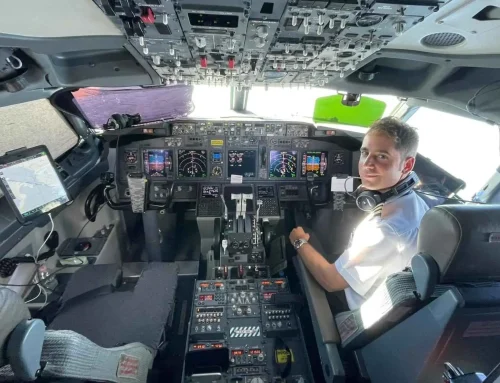
Marco, a Boeing 787 pilot, explains how a pilot’s work changes when an aircraft crosses oceans and continents.
His passion for aviation began in childhood, inspired by air shows, films and an interest in technology. Today, that curiosity has become a profession built on study, procedures, planning and decision-making.
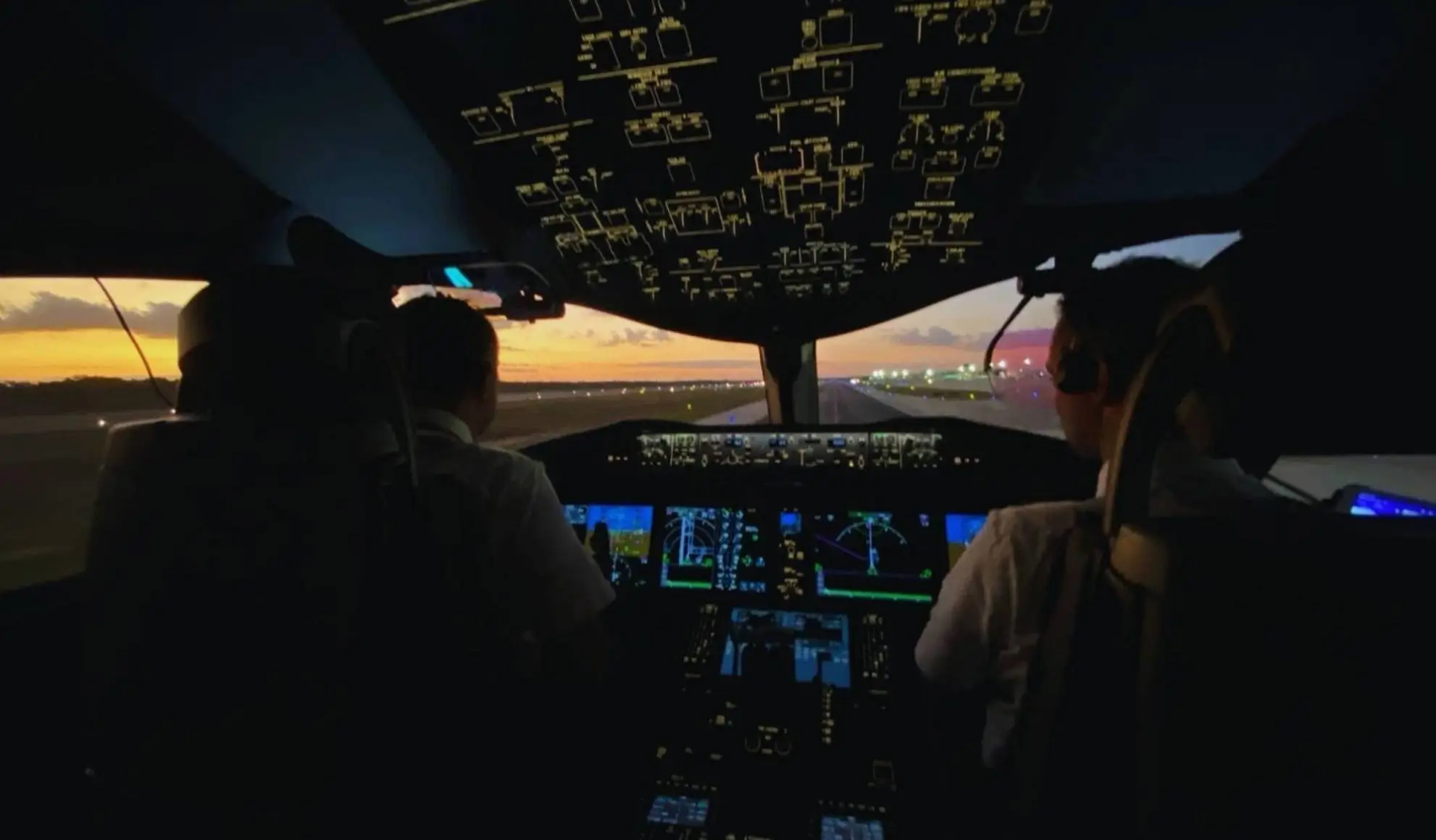
With Marco, we enter the flight deck of a long-haul flight to understand how an intercontinental sector is prepared, which variables affect the route and why the ability to anticipate problems is an essential part of the job.
Boeing 787 pilot: a passion born in childhood

When we ask Marco when he realised he wanted to become a pilot, he points out that there is no single moment that is the same for everyone.
“It is a different process for each person, so timing and motivations vary from one individual to another.”
In his case, that curiosity began during childhood and adolescence.
“Generally speaking, and I am referring to my own experience, people start becoming passionate about aviation as children or teenagers, perhaps by attending an air show or watching a film such as Top Gun.”
What struck him was the adventurous life associated with flying, the power of aircraft and the connection with technology.
Towards the end of secondary school, that interest began to take a more concrete shape:
“At a certain point, you try to enter this world.”
The professional reality, however, is very different from the spectacular image that may fascinate a young person.
Among the aspects of the job that people imagine least, Marco mainly mentions the study required and the rigorous repetition of procedures:
“The hours of study needed to stay up to date and prepared on aircraft operations, and then the repetitive, sometimes boring nature of procedures and manoeuvres, which must always be carried out in strict compliance with parameters and regulations.”
Repetition is not a limitation of the job. It is the method through which operations are carried out with consistency, precision and respect for the rules.
Behind every flight are many hours of preparation and updating that passengers rarely get to see.
How a long-haul flight is prepared
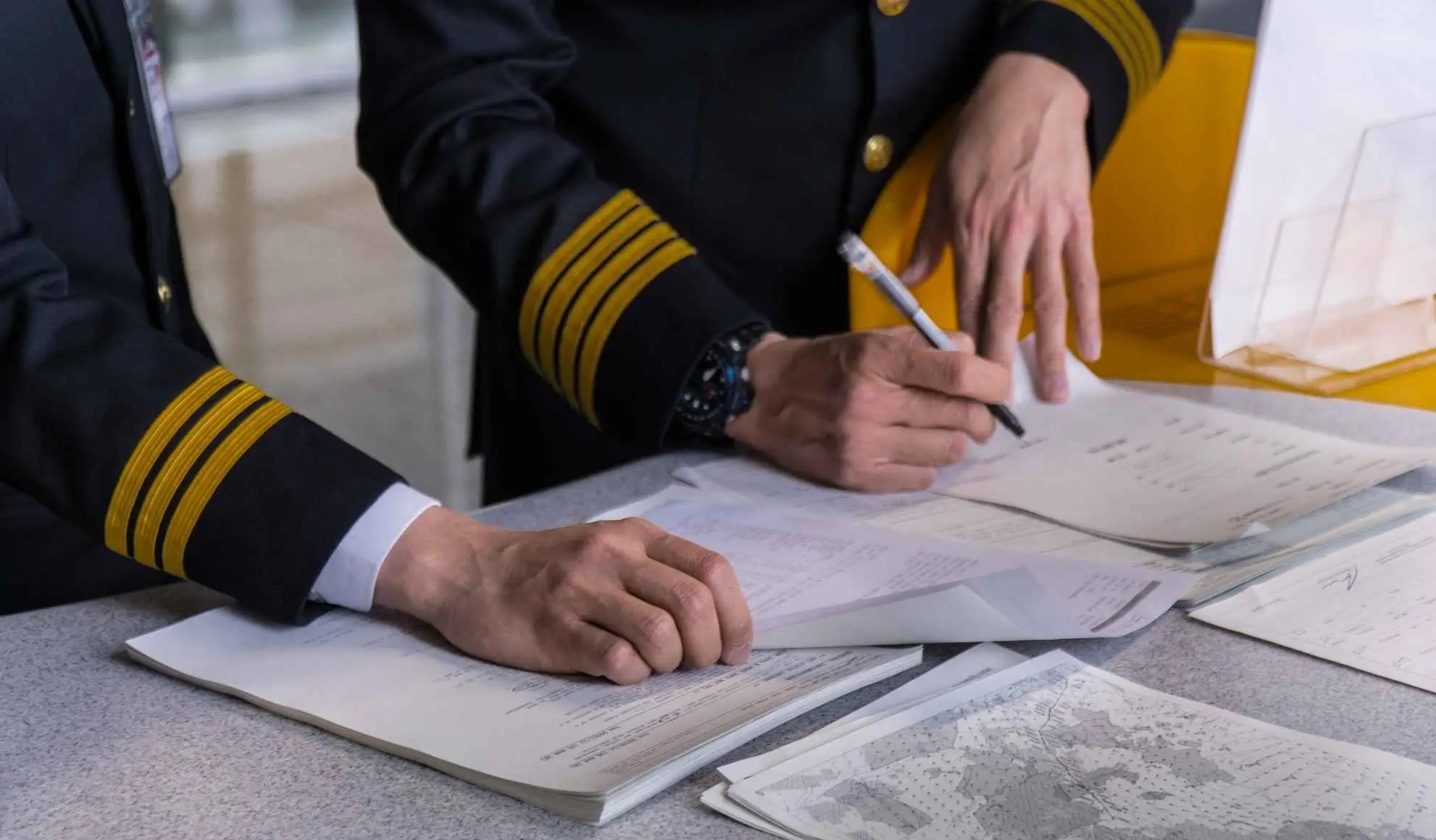
Marco describes the preparation with a very clear expression:
“It starts a long way before the flight.”
Before take-off, the crew must gather and interpret a wide range of information.
It begins with checking the technical status of the aircraft. The crew then reviews the forecast weather conditions:
- At the departure airport.
- Along the route.
- At the destination airport.
- At the destination alternate airports;.
- At the airports available along the route.
Notices to airmen are also checked to verify any restrictions affecting the airports and the airspace crossed during the flight.
Preparation also includes:
- Calculating the expected weights.
- Determining the amount of fuel required.
- Calculating the take-off speeds.
- Assessing the runway length required for that specific flight.
These assessments do not simply describe how the journey is expected to unfold. They help identify in advance any conditions that may require closer attention.
Marco explains that the complexity of a flight can often emerge during the planning stage:
“You realise it when you receive the flight plan, the weather reports and the other information.”
Preparation therefore allows the crew to build an overall picture of the sector before the aircraft has even left its stand.
The first piece of information in the flight plan: duration
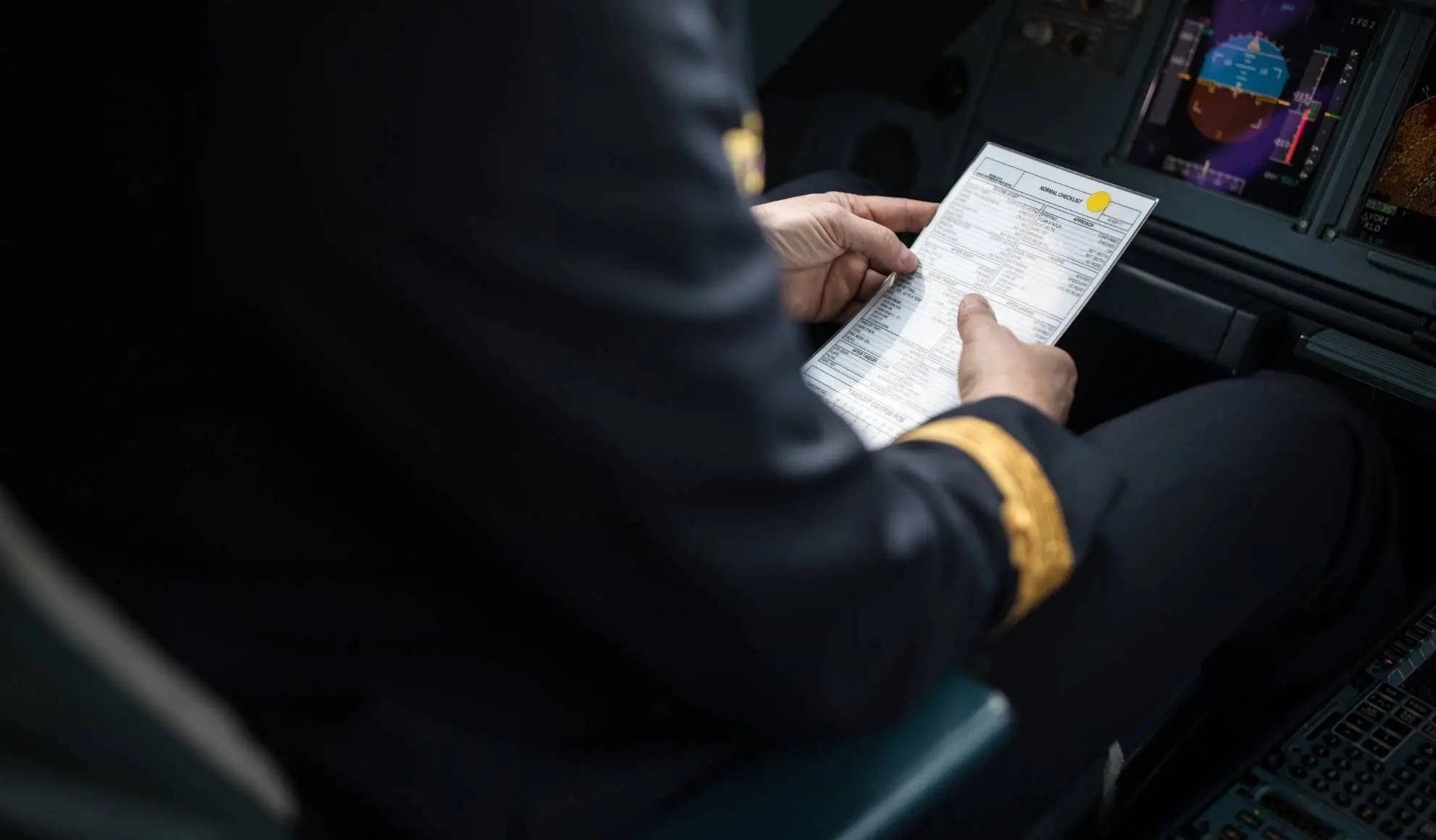
When Marco receives the flight plan, the first detail he looks at is:
“How long the flight will be.”
On long-haul flights, duration influences many of the assessments that follow.
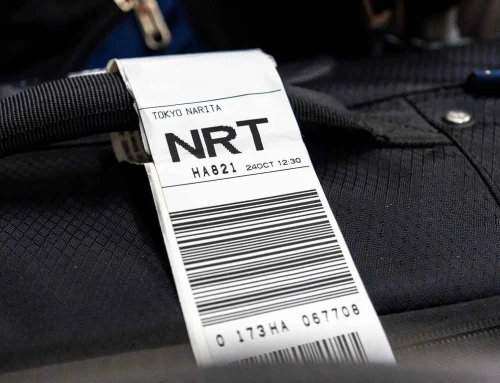
An aircraft may cross different territories, fly over the ocean and reach regions where the available airports are very far apart.
The more hours there are between departure and arrival, the more important it becomes to consider:
- How the weather will evolve.
- The wind’s effect.
- Fuel.
- The airports that can be used along the route.
- The forecast conditions at the destination.
- The crew’s ability to maintain attention and clarity.
Duration is not merely a matter of time. It is the parameter that gives the first indication of how wide the operational scenario to be analysed will be.
The briefing and the value of human contact
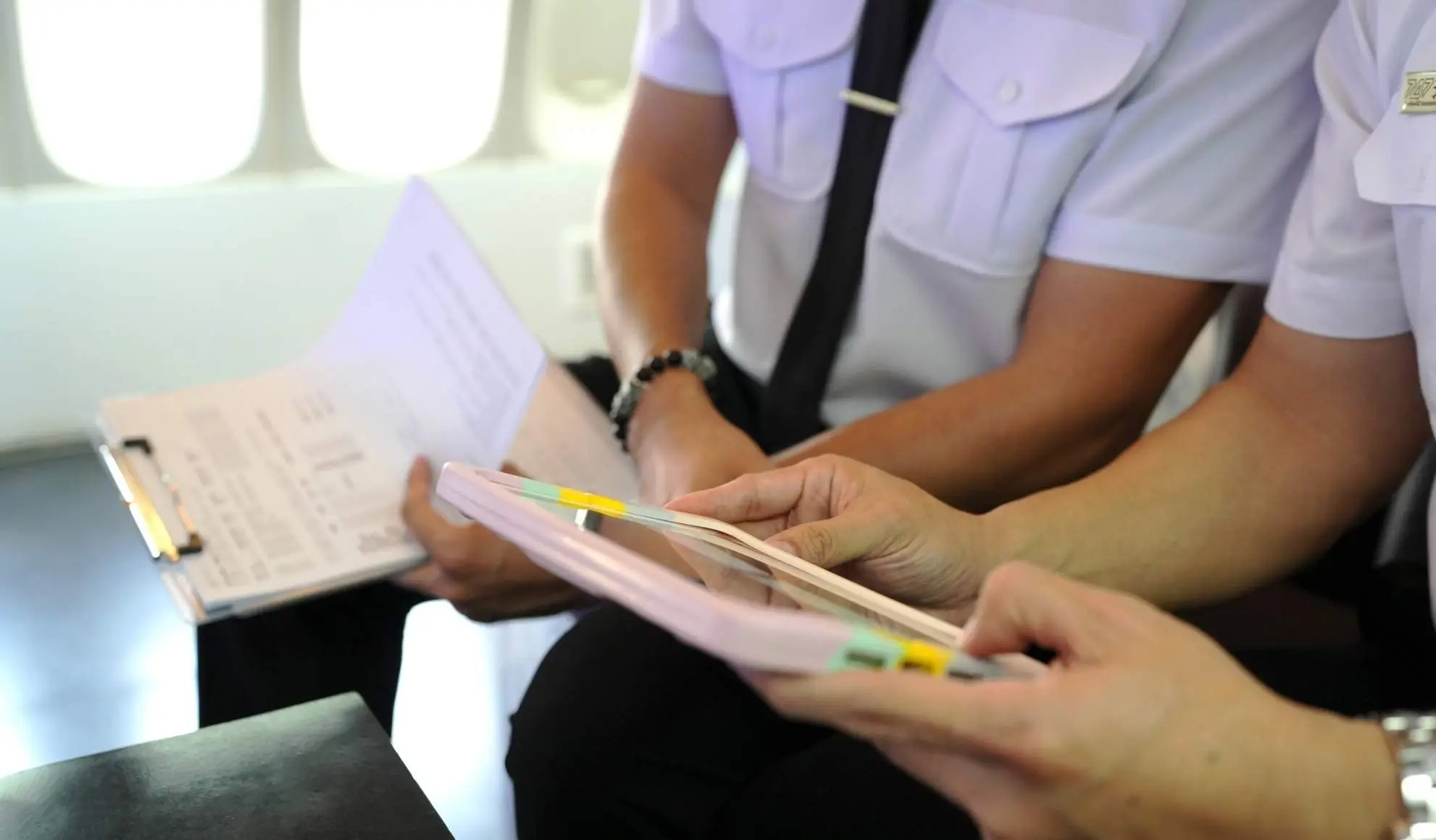
Preparation is not only about the aircraft, the route and the operating conditions.
Before departure, the pilots meet with the cabin crew to share the day’s characteristics and the aspects of the flight that require particular attention.
Marco also sees a human value in this phase:
“The particular features of the day are explained, but above all the essential human contact is established. This activity requires people who work well together.”
During a long-haul flight, pilots and cabin crew need to communicate clearly and work together consistently.
Coordination may involve normal on-board activities, passengers’ needs or an issue that requires a shared assessment.
Data and procedures form the basis of the operation, but it is people who must interpret them, communicate them and turn them into decisions.
Short-haul and long-haul flights: how a pilot’s work changes
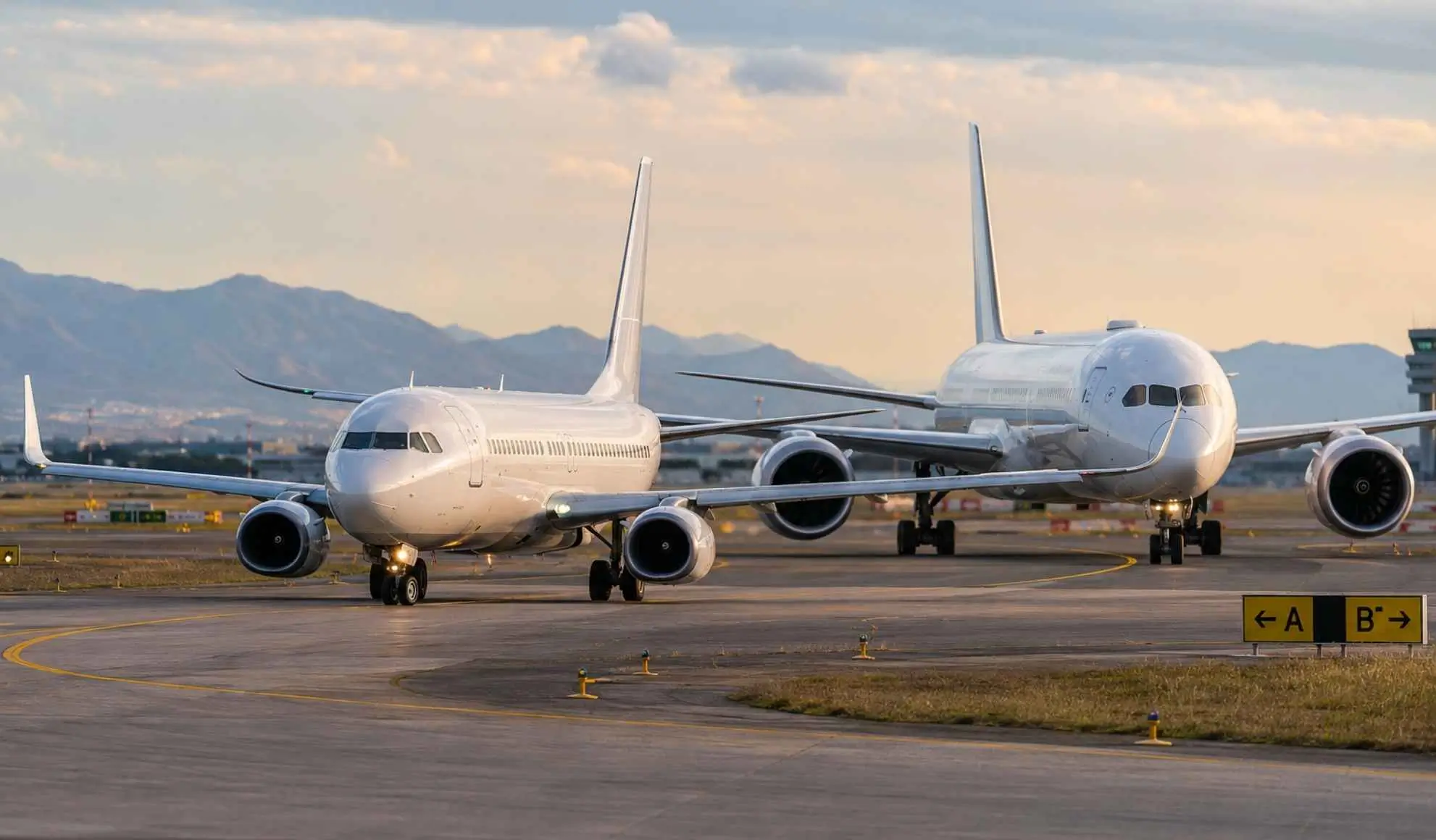
Limiting the comparison to the length of the sector, Marco explains that the general principle of the work does not change. What changes are the pace, the duration and the operational workload.
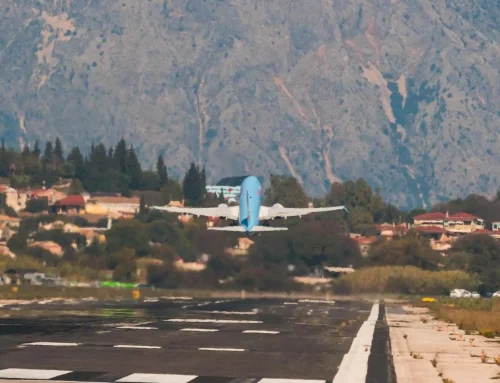
On short-haul flights, a pilot may perform several take-offs and landings on the same day, operating into different airports and in weather conditions that change from one sector to the next.
“The pilot has to deal with several take-offs and landings on the same day, at different airports, with different weather conditions, and repeat the same actions several times in a day.”
On long-haul flights, by contrast, the complexity is concentrated in a single sector, lasting many hours.
“The planning has to be even more accurate because the aircraft flies over different territories, over the ocean and over hostile regions for many hours, and every possibility has to be considered.”
It becomes clear that, while short-haul flying requires preparation and concentration to be renewed several times, long-haul flying requires a broader view over time and the ability to maintain clarity throughout the entire sector.
To explore the rhythm of shorter rotations, you can also read our interview with Francesco Cuttica on life as a short-haul airline pilot.
Long-haul flight: many hours to anticipate possible scenarios
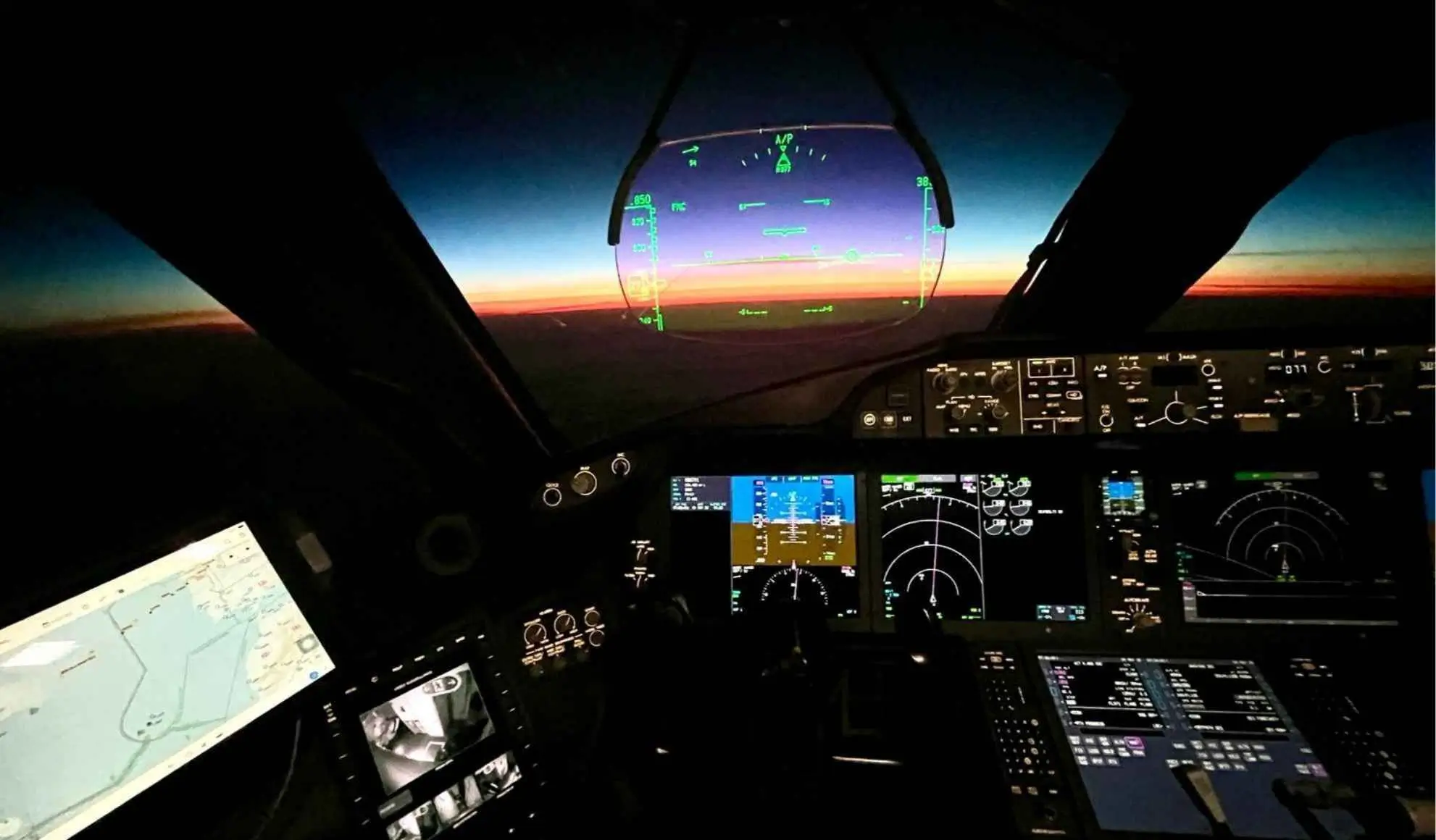
The ability to anticipate possible scenarios is one of the most important features of long-haul operations.
On some routes, if a problem occurs, it is not possible to reach an airport quickly.
“That is one of the distinctive features of long-haul operations.”
During the flight, the crew continues to assess the situation sector by sector.
“You are constantly thinking ahead and anticipating possible solutions for different eventualities, so that you already have an action plan in mind should the emergency or problem actually arise.”
The problem does not necessarily have to concern the aircraft itself. Marco also mentions the example of a medical emergency on board.
In a situation of this kind, the decision must take into account the aircraft’s position, the airports within reach, the weather and the characteristics of the available airports.
Planning, therefore, does not end with take-off. It continues throughout the entire sector, being updated as the aircraft’s position and the operational possibilities change.
Upper-level winds and intercontinental air routes
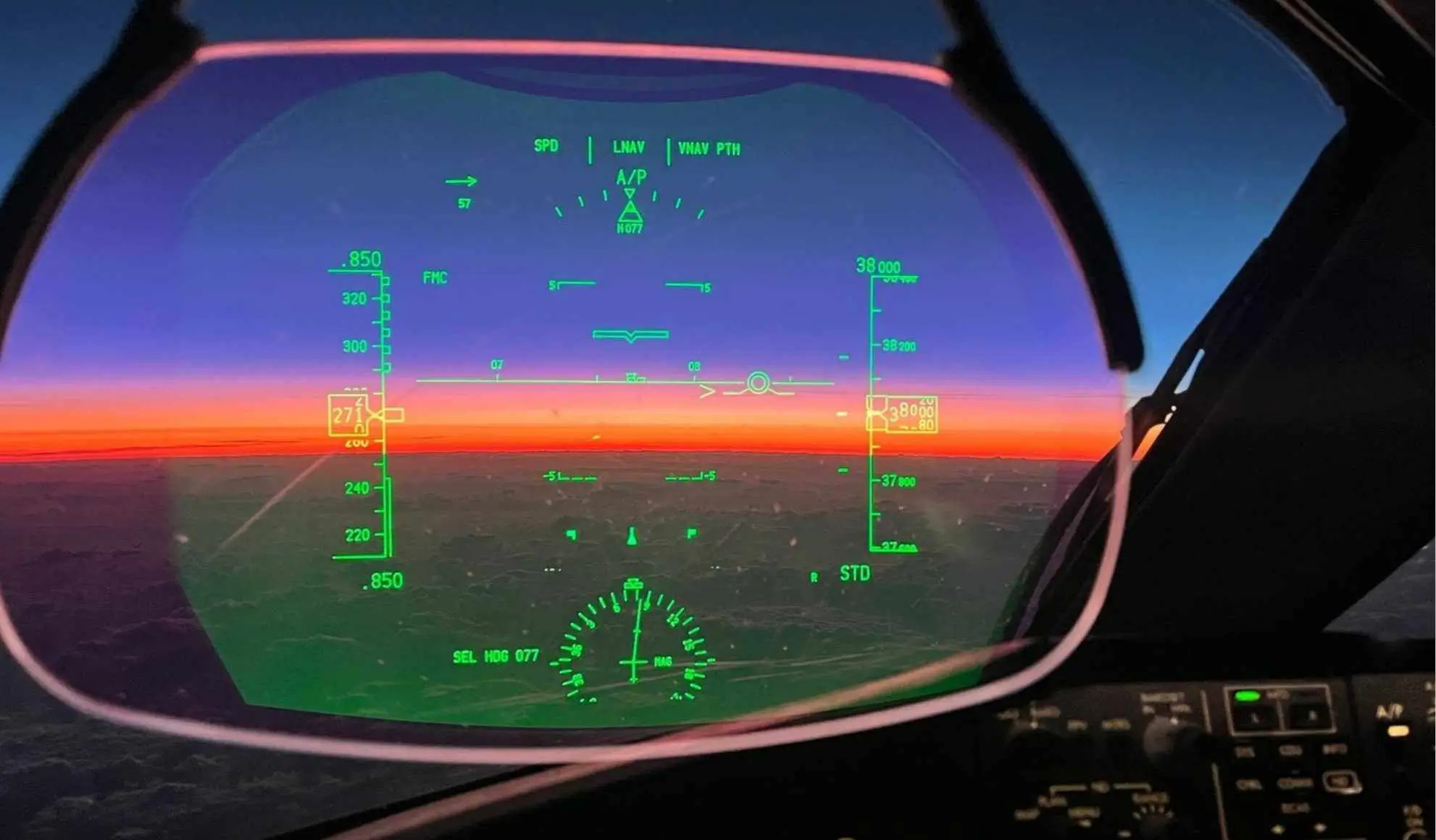
On a long-haul flight that lasts many hours, winds have a significant impact on both flight time and the fuel required.
Marco explains:
“Upper-level winds are strong, and the flight lasts many hours. If the aircraft flies against the prevailing winds, it takes longer and needs more fuel, so it will be heavier at take-off. The opposite happens if it flies in the same direction as the wind.”
The effect of wind builds up along the entire route.
Flying into a headwind can extend the journey and increase the fuel required. Flying in the same direction as the prevailing winds, on the other hand, can reduce both time and consumption.
This is why intercontinental air routes are not considered simply as lines between two airports. They need to be assessed together with the forecast atmospheric conditions and the alternatives available.
Alternate airports and possible escape routes
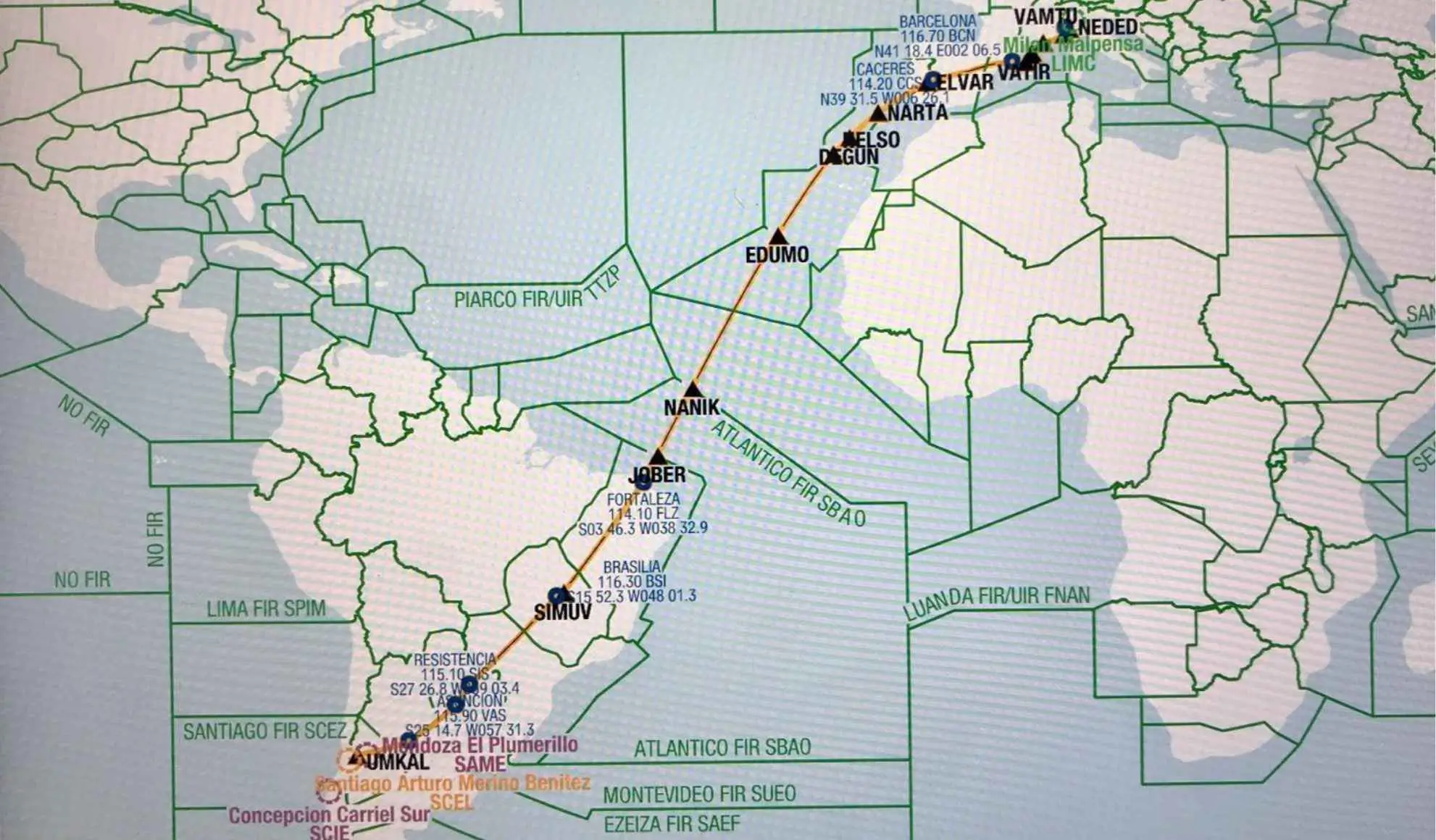
On short- or medium-haul flights, there may be many airports that can be reached in a relatively short time.
On an oceanic route or in less well-served regions, the situation can be different.
“During the planning stage, every possible escape route in the event of serious failures has to be considered because, unlike short- and medium-haul flights, there are not always emergency airports available and reachable within a short time along the route.”
En-route alternate airports must therefore be considered before departure and reassessed during cruise.
As the hours pass during the flight, several elements change:
- The airports within reach.
- The distance to be covered.
- The weather.
- The operating conditions.
- The options available in case of need.
The choice of a possible alternative depends on all these factors, not only on geographical proximity.
Flying to destinations outside the EU
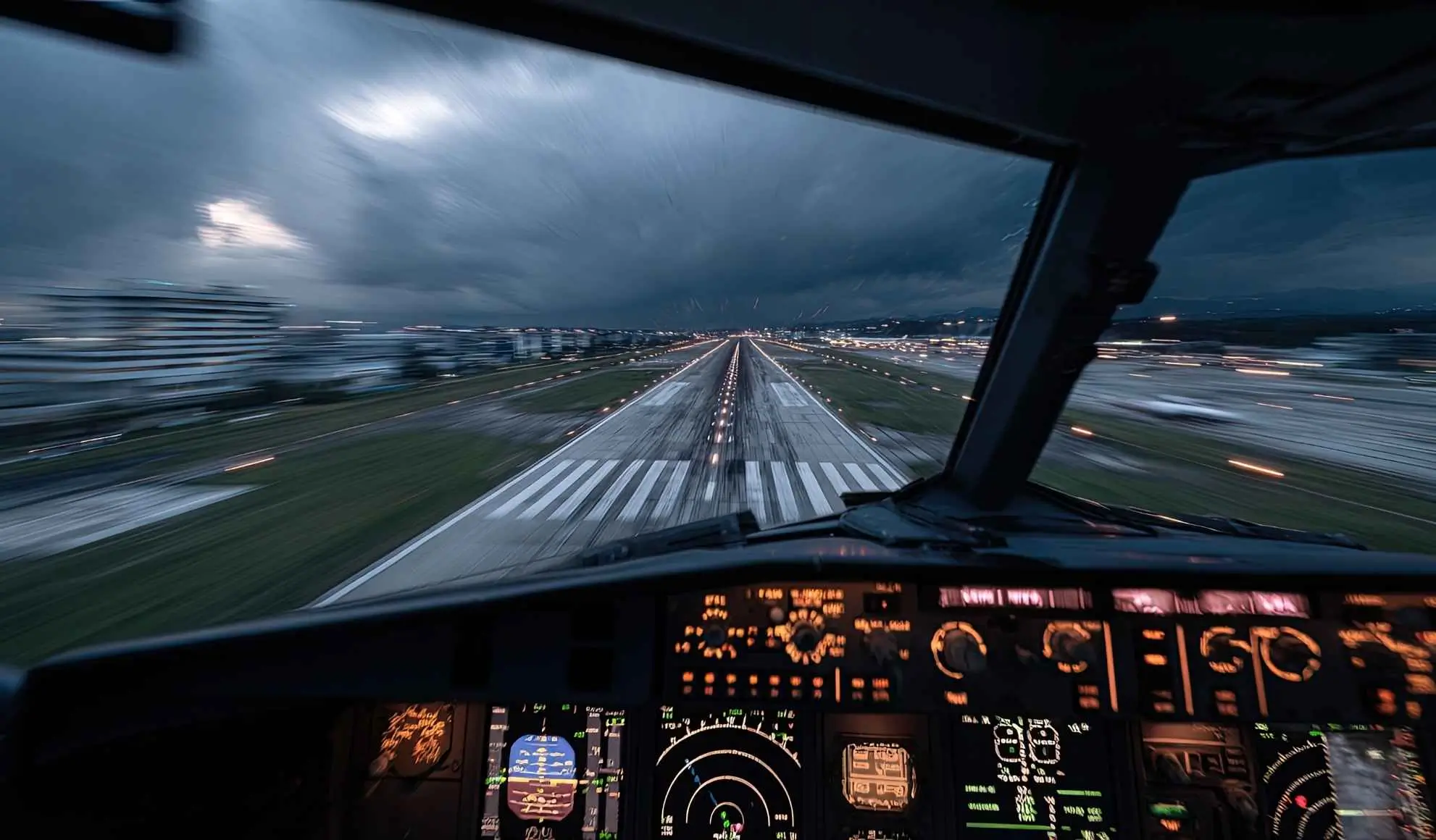
A long-haul flight crosses countries, geographical regions and airspace with different characteristics.
Marco points out that some operational features may differ from those normally encountered in Europe:
“When crossing many countries and geographical regions, there are operational features that differ from those in Europe. Naturally, they have to be known, especially when flying to destinations on other continents, where rules and procedures may be different.”
The crew must therefore know the specific characteristics of the route and destination in advance.
These differences may concern procedures, communications, the organisation of airspace and the operating methods of the airport.
Preparation allows the pilot to arrive in a distant environment with the necessary information already acquired, rather than having to interpret it during the final phases of the flight.
Complex airports: traffic, location and runway length
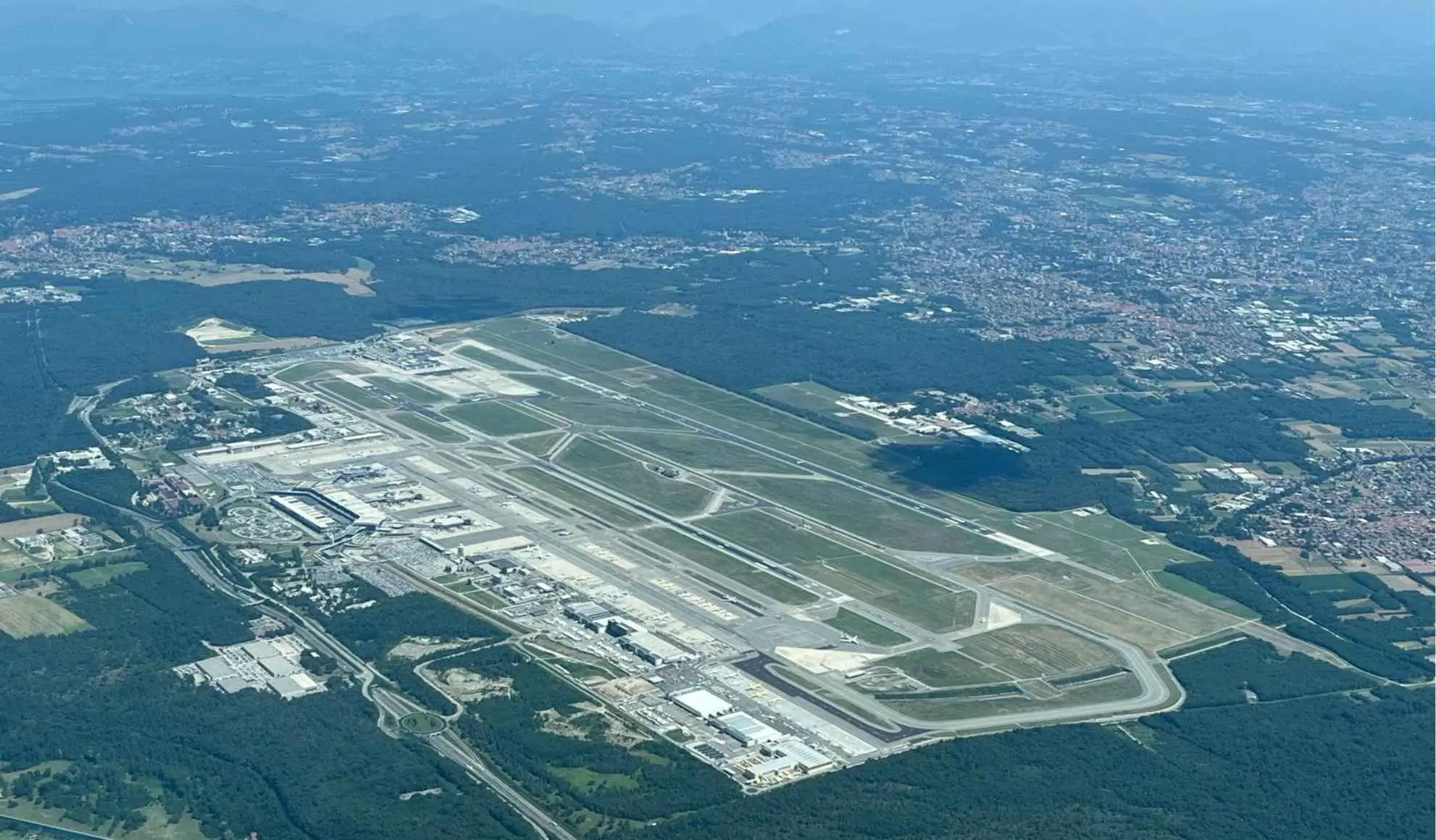
Each airport has its own characteristics.
Large hubs are generally managed efficiently by air traffic control, but they can become complex once the aircraft is on the ground.
Marco compares them to traffic in a metropolis:
“They are complicated because of the huge number of taxiways, aprons and instructions, a little like traffic in a large city.”
The crew must navigate a complex network of runways, taxiways and stands, following the instructions received with precision.
Other airports may be less busy, but demanding for different reasons:
- Geographical location.
- Short runway.
- Weather conditions.
- Available operating space.
When an airport presents greater challenges, Marco explains, the margins within which operations are allowed are increased.
“For example, the minimum visibility or the maximum landing weight compatible with the runway length needed to stop.”
Clearly, the complexity of an airport does not depend only on the number of flights it handles, but on the combination of traffic, location, infrastructure and forecast conditions.
Pilot fatigue management on intercontinental flights
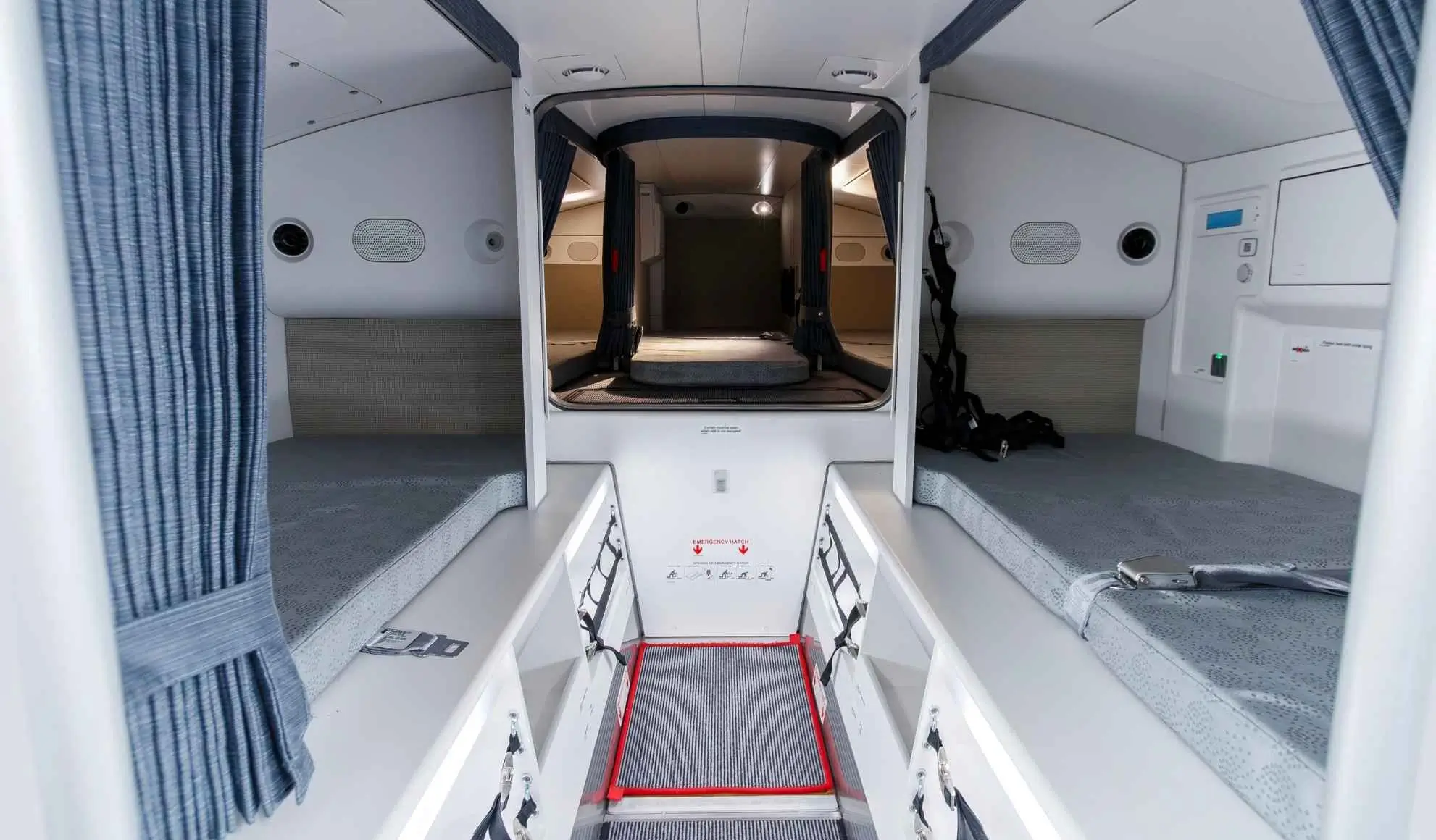
In long-haul flying, planning also considers the condition in which the pilot will reach the final phases of the flight.
After many hours of activity, the crew must manage the descent, approach and landing while maintaining the necessary clarity.
Marco considers this an essential aspect:
“Fatigue management is essential in order to reach the landing after many hours of work with the necessary clarity.”
The duration of the sector therefore introduces an additional responsibility: it is not enough to be prepared at the moment of take-off; attention and decision-making ability must be preserved all the way to arrival.
Fatigue management is not separate from the operation. It is one of the variables that must be considered when planning and operating a flight lasting many hours.
The first solo flight: a lasting memory
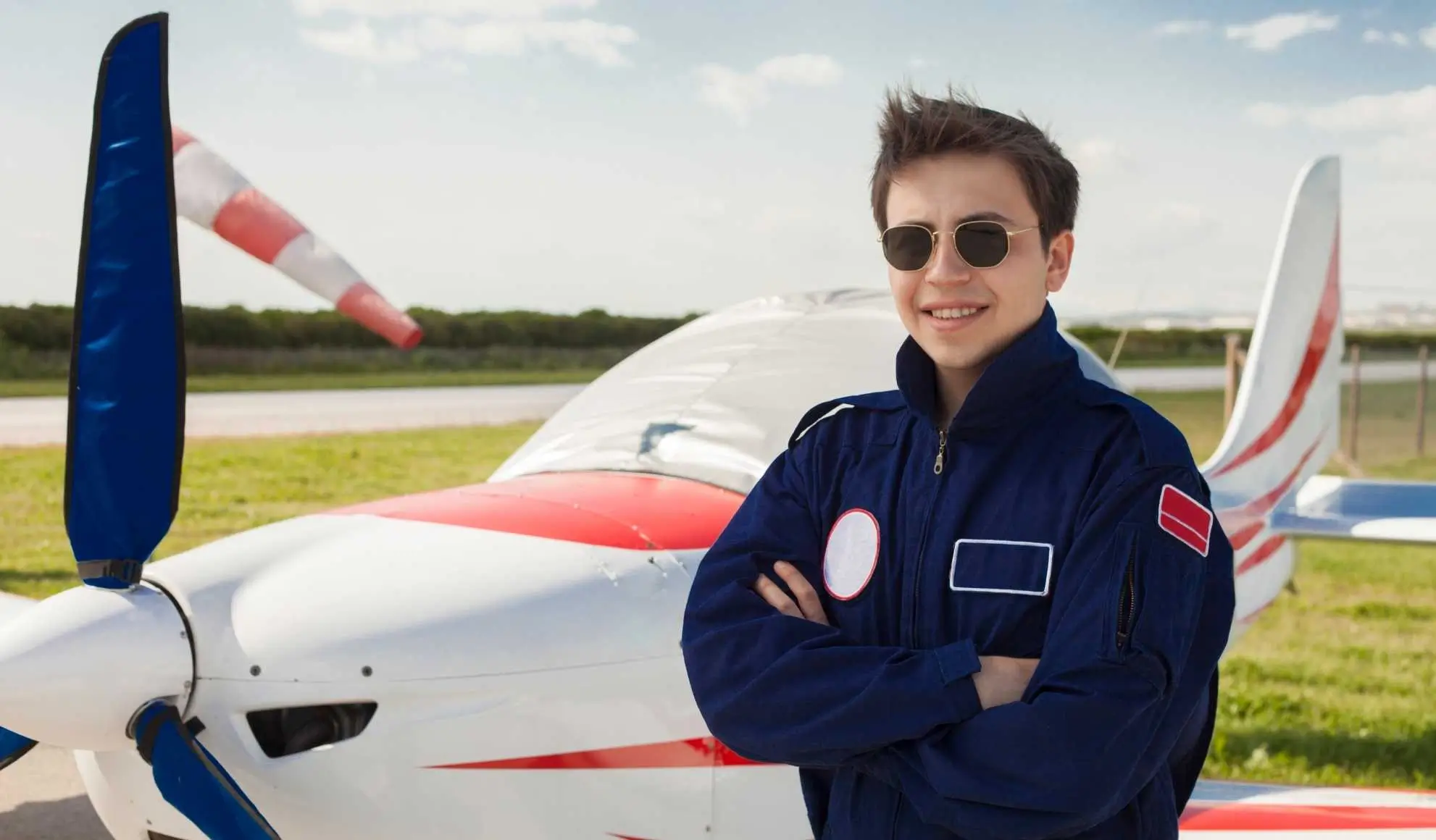
When we ask Marco which flight he remembers as particularly challenging, he does not point to a specific intercontinental sector.
“Several flights, but generally you then forget them. I could perhaps mention my first solo flight during my licence training: that is certainly a challenge.”
It was a very different flight from those he now operates on a Boeing 787.
There were no oceans to cross and no long hours to spend en route. There was, however, a new responsibility: for the first time, there was no instructor on board.
Everything he had studied had to become his own assessments and decisions.
Perhaps this is why that flight has remained clearer in his memory than many later operations. Not because it was the longest or the most technically complex, but because it marked the transition from preparation to responsibility.
From flight planning to charter flight design
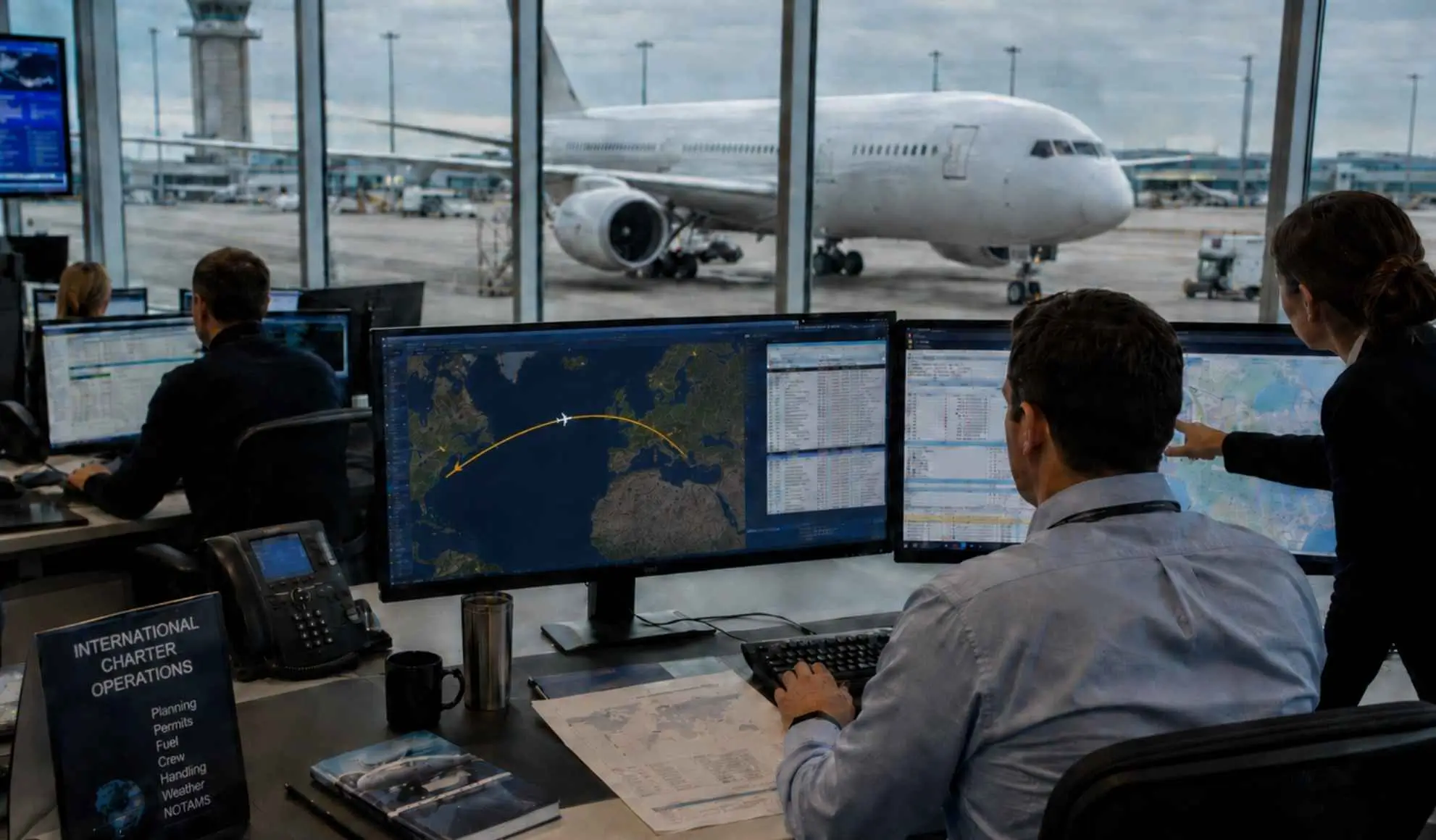
The interview with Marco shows how an intercontinental flight begins long before take-off.
Route, aircraft, fuel, airports, weather and operating conditions all have to be assessed together. During the journey, this information is updated so that suitable options remain available as the scenario evolves.
The same applies to the planning of an international charter flight: organisational decisions are made before passengers arrive at the airport and are constantly updated.
Flyness gathers the client’s requirements, liaises with carriers and operators, and assesses:
- the characteristics of the route;
- aircraft capacity;
- departure and arrival airports;
- schedules;
- ground services;
- the group’s specific needs.
The aim when organising a charter is to build a solution that is consistent with the journey required, coordinating the parties involved in carrying out the flight.
Do you need to organise a charter flight on an international route?
Contact the Flyness team to assess the carrier, airports and services best suited to your group’s needs.