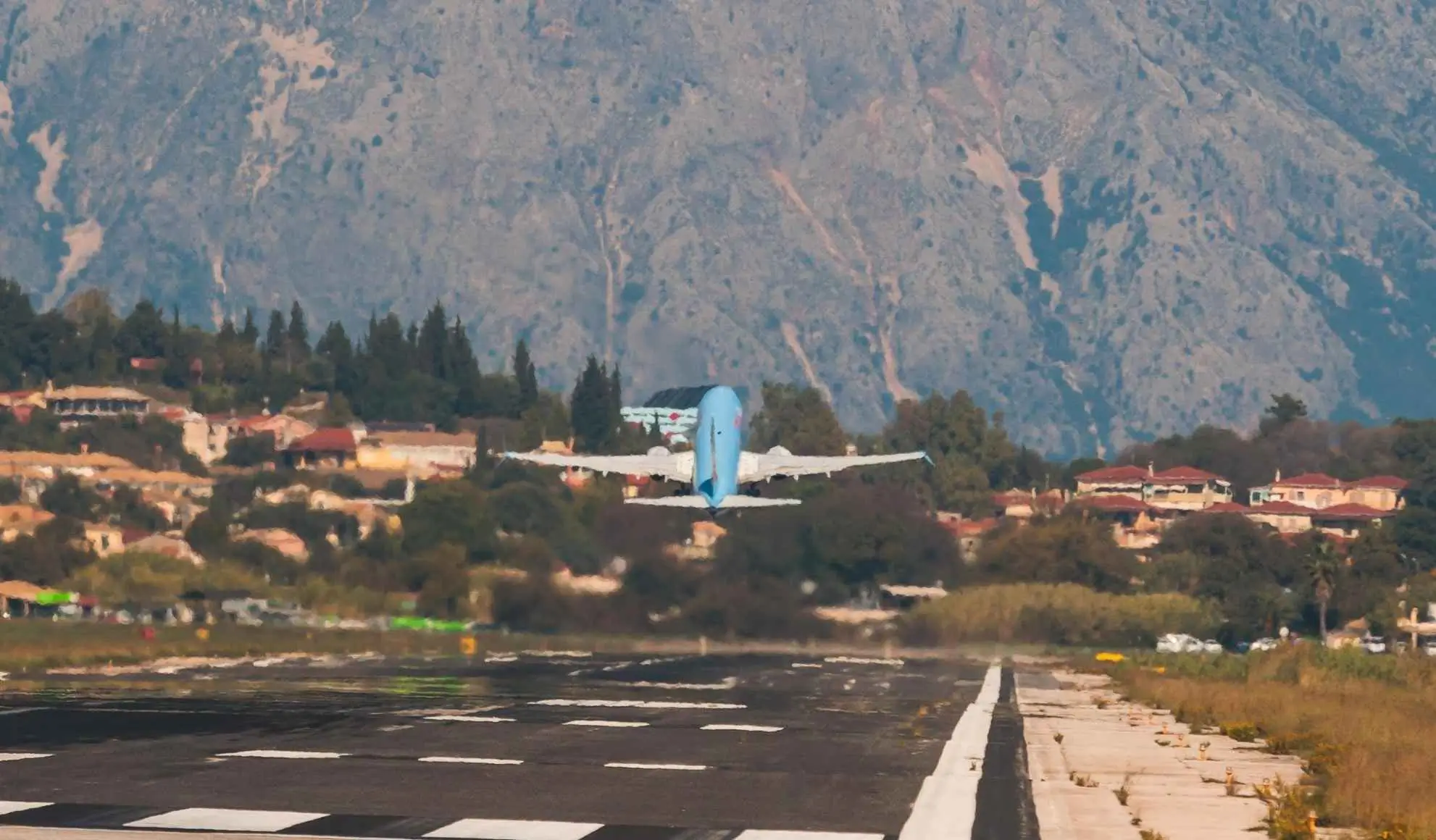
The most dangerous airports in the world are often those where landing and take-off demand precision, experience and carefully assessed operational margins.
Short runways, nearby mountains, crosswinds, rapidly changing weather conditions, limited space, or unusual approach procedures can make an airport more complex than average.
In many cases, however, “dangerous” is a journalistic oversimplification. It is more accurate to describe them as challenging airports: fully operational airports characterised by conditions that require careful planning, suitable aircraft, qualified crews and certified operators.
The following selection is therefore not a risk ranking, but a guide to airports where geography, weather, infrastructure and procedures make flight operations more demanding.
In this article, we look at some of the hardest airports to land at in the world, why they are considered extreme and what they can teach those planning a charter flight, where airport selection is never a secondary detail.
What are the most dangerous airports in the world?
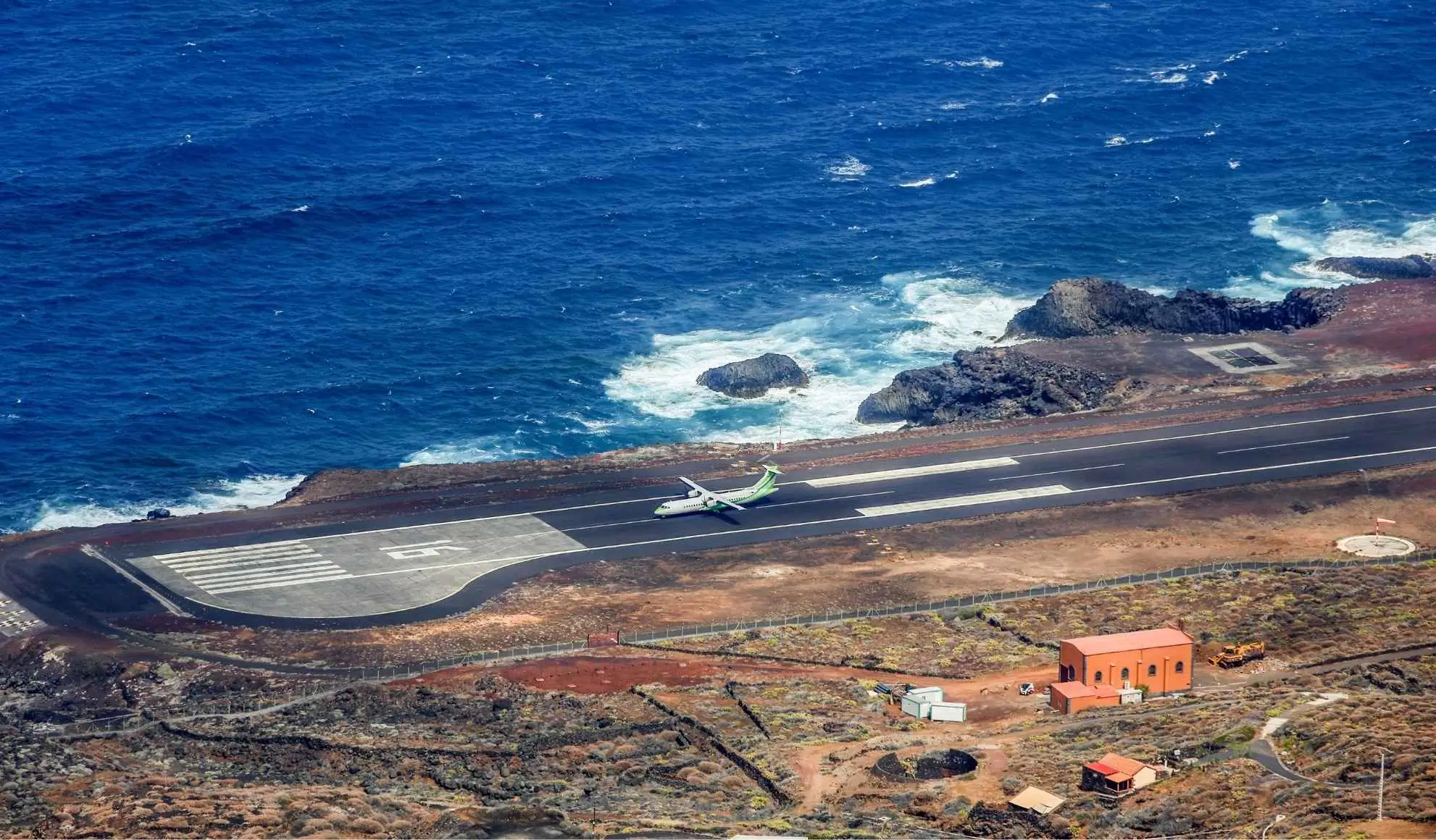
Airports often described as the “most dangerous” are those where short runways, strong winds, mountains, the sea, reduced visibility or complex approach procedures make operations more demanding.
Frequently cited examples include:
- Lukla in Nepal;
- Paro in Bhutan;
- Saba in the Caribbean;
- Courchevel in France;
- Madeira in Portugal;
- Princess Juliana in Saint Martin.
These airports should not be regarded as inherently “unsafe”, but rather as environments in which every phase of the flight requires careful assessment of the operating conditions.
What makes the world’s most dangerous airports so challenging?
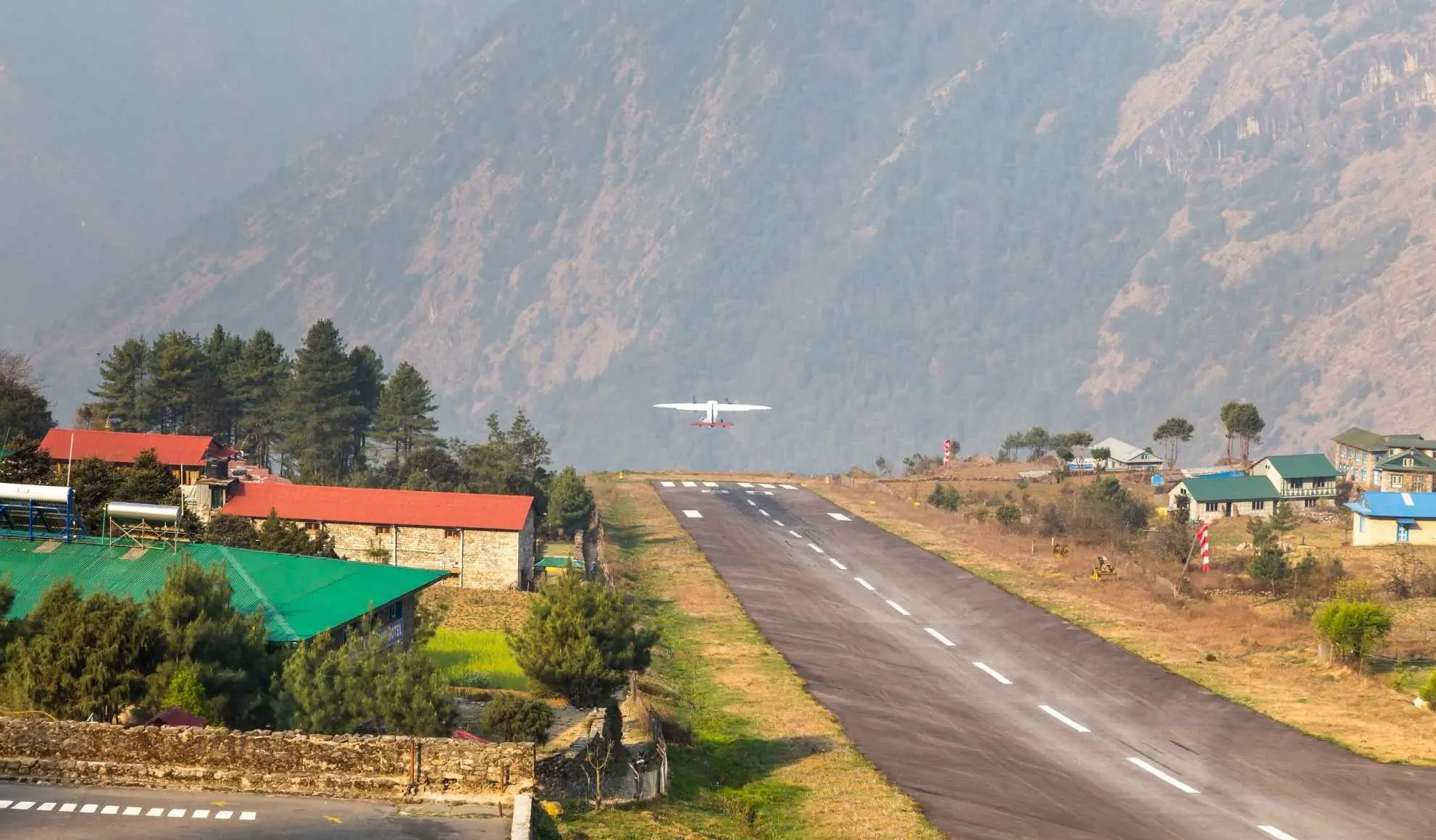
An airport is not “dangerous” simply because it looks spectacular in photographs or landing videos. Its true complexity comes from a combination of factors, including runway characteristics, geographical location, weather conditions, operating procedures, aircraft type and the margins available in the event of an unexpected situation.
| Factor | Why it increases complexity |
|---|---|
| Short runway | Requires precise calculations relating to weight, speed, braking and aircraft performance. It also reduces the operational margins available during take-off and landing. |
| Stoping runway | Can either assist or complicate take-off and landing depending on the operating direction, the airport layout and the conditions at the time. |
| Terrain | Mountains, valleys, elevated ground or natural obstacles may restrict flight paths, approach procedures, go-around options and manoeuvring margins. |
| Crosswinds | Can make the final stages of landing more demanding and require particularly careful aircraft handling, especially on exposed runways or in coastal and mountainous areas. |
| Variable weather | Fog, low cloud, rain, snow or gusts can rapidly affect the feasibility of a flight and may require updated assessments right up to the operational phase. |
| Airport and aircraft equipment | In conditions of reduced visibility, fog or adverse weather, the airport category, available approach systems, published procedures and aircraft equipment all influence whether operations can be conducted safely. |
| Limited space | Restricts manoeuvring margins both on the ground and in the air, making the management of approach, landing, take-off and possible go-around procedures more demanding. |
| Alternate airports | Must be assessed in advance, particularly in isolated, mountainous or weather-sensitive areas, to ensure a viable option is available in the event of disruption. |
Another key factor is the equipment available both on the ground and on board the aircraft. In conditions such as dense fog, reduced visibility or challenging weather, runway length is not the only consideration: the airport category, available approach systems, published procedures and the equipment installed on the aircraft can all affect whether operations can be conducted safely.
For this reason, two flights heading to the same destination may receive different operational assessments. Not all airports provide the same level of instrument support, and not all aircraft are equipped to the same standard. This is also part of the complexity that must be assessed before confirming a flight solution.
Why are landings difficult at some airports?
Landing is more difficult at some airports because it combines short or sloping runways, nearby mountains, crosswinds, rapidly changing weather or unusual approach procedures.
In these cases, flight operations depend on a chain of factors: planning, aircraft characteristics, crew experience, airline procedures and the operator’s accurate assessment of the airport.
10 extreme airports around the world: thrilling and complex
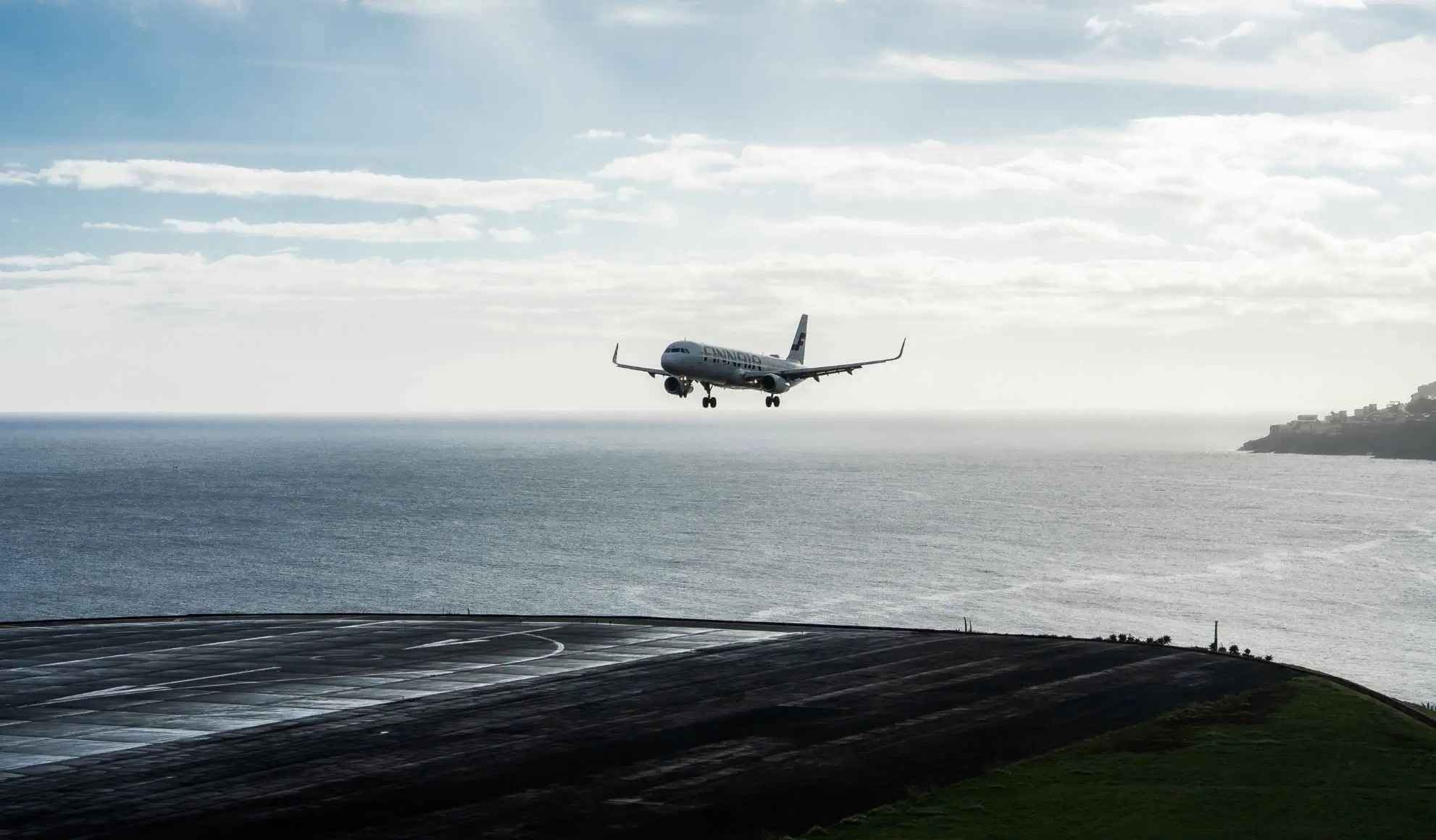
The following selection should not be read as a definitive risk ranking, but as an overview of extreme airports where geography, runway characteristics or operating conditions make flying particularly interesting from a technical perspective.
Lukla, Nepal: a short runway in the Himalayas
Lukla’s Tenzing-Hillary Airport is often cited as one of the most difficult airports in the world. Located at an elevation of approximately 2,846 metres, it serves the Everest region and has a runway around 527 metres long and 20 metres wide, with a gradient of approximately 12%. Operations take place in a mountainous environment, where weather conditions can change rapidly, and flights are generally conducted under Visual Flight Rules.
The challenge is not simply the short runway, but the combination of factors involved. Altitude, gradient, surrounding mountains, weather and limited space make every operation a matter of precision.
Paro, Bhutan: an airport among Himalayan valleys
Paro International Airport is Bhutan’s only international airport and lies in a deep valley surrounded by substantial mountain terrain. According to Bhutan’s Department of Air Transport, the airport may only operate in visual meteorological conditions and during daylight hours.
It is a perfect example of an airport where the challenge does not stem from a single variable, but from the need to assess the surrounding environment, weather, flight path and operational margins with precision.
Saba, Dutch Caribbean: one of the world’s shortest runways
Juancho E. Yrausquin Airport, on the Caribbean island of Saba, is known for having one of the shortest commercial runways in the world: approximately 400 metres, or around 1,300 feet. Guinness World Records identifies it as the world record holder for the shortest commercially serviceable runway.
Here, the key issue is the short runway: not every aircraft can operate within such limited space, making aircraft selection an essential part of assessing flight feasibility.
Courchevel, France: the most scenic Alpine altiport
Courchevel Altiport, in the French Alps, is located at an elevation of more than 2,000 metres. The resort’s official website places the altiport at 2,006 metres, while aviation sources report a runway approximately 537 metres long with a steep gradient.
The combination of altitude, a short and sloping runway and the mountainous setting makes it one of Europe’s best-known airports among aviation enthusiasts. It is not a conventional airport in the usual sense, but a mountain airfield requiring suitable aircraft, experience and compatible operating conditions.
Madeira, Portugal: wind, sea and terrain
Madeira Cristiano Ronaldo Airport, also known as Funchal Airport, is often listed among the most challenging airports because of its geographical setting. The island lies in the Atlantic Ocean, and the airport can be exposed to demanding wind conditions, with its runway positioned in a distinctive terrain environment.
The challenge here does not arise from the runway alone, but from the interaction between wind, sea, surrounding terrain and approach paths. It is a useful example of how significantly weather can affect flight operations.
Princess Juliana, Saint Martin: low approaches over Maho Beach
Princess Juliana International Airport in Sint Maarten is famous for its low approaches over Maho Beach. The proximity of the beach to the runway threshold has made it one of the world’s best-known plane-spotting locations, as aircraft on final approach pass very low over the beach.
From a technical perspective, the airport is primarily known for the proximity between the runway and the beach, creating a spectacular experience for observers on the ground. For flight crews, however, the priorities remain the same: maintaining the correct flight path and speed, reaching the appropriate touchdown point and preserving operational margins.
Barra, Scotland: the airport on the beach
Barra Airport, in Scotland’s Outer Hebrides, is famous for using a beach as its runway. Operations depend on the tides: when the tide rises, the runway is covered by seawater.
It is one of the most fascinating examples of an unusual airport. Here, the defining feature is not the height of surrounding mountains, but the airport’s direct relationship with the sea and with a natural variable – the tide – that shapes flight planning.
Gibraltar: an urban runway with limited space
Gibraltar International Airport is known for an unusual feature: according to the airport’s official website, the runway can be crossed on foot, by bicycle or by scooter.
Beyond this curious aspect, Gibraltar is interesting because it shows how an airport can also be complex for infrastructural and urban reasons. The airport, the city and local road traffic coexist within a very restricted area.
Wellington, New Zealand: wind and runway margins
Wellington Airport is often associated with windy conditions and a runway set within a distinctive geographical environment between the Cook Strait and the urban area. In 2026, the airport announced the completion of new safety zones incorporating an Engineered Materials Arresting System, designed to increase safety margins in the event of a runway excursion.
It is a good example of how an airport can be fully operational while still requiring particular attention to wind, infrastructure and available margins.
Toncontín, Honduras: an approach between mountains and the city
Toncontín Airport in Tegucigalpa is often cited among airports with complex approaches because of the combination of surrounding terrain, the urban environment and the limited space available.
It is included here as a representative example of airports where the runway itself is only one part of the challenge. Flight path, obstacles, the urban setting and manoeuvring margins all play an important role.
What is the most difficult airport in the world?
There is no single answer, because airport difficulty depends on several factors. However, Lukla in Nepal and Paro in Bhutan are often cited among the most difficult airports in the world because they combine altitude, terrain, runway characteristics, weather and operating procedures.
Rather than describing them as dangerous in absolute terms, it is more accurate to refer to airports requiring specific expertise and particularly careful planning margins.
Which airport is the hardest to land at?
Lukla, Paro, Courchevel, Madeira and Saba are frequently mentioned among the hardest airports to land at. Their challenges may include short runways, approaches through valleys, crosswinds, steep runway gradients or limited space around the airport.
Each airport presents a different set of operational challenges, which is why every assessment must be made on a case-by-case basis.
Most dangerous airports in Europe: operational airports with specific challenges
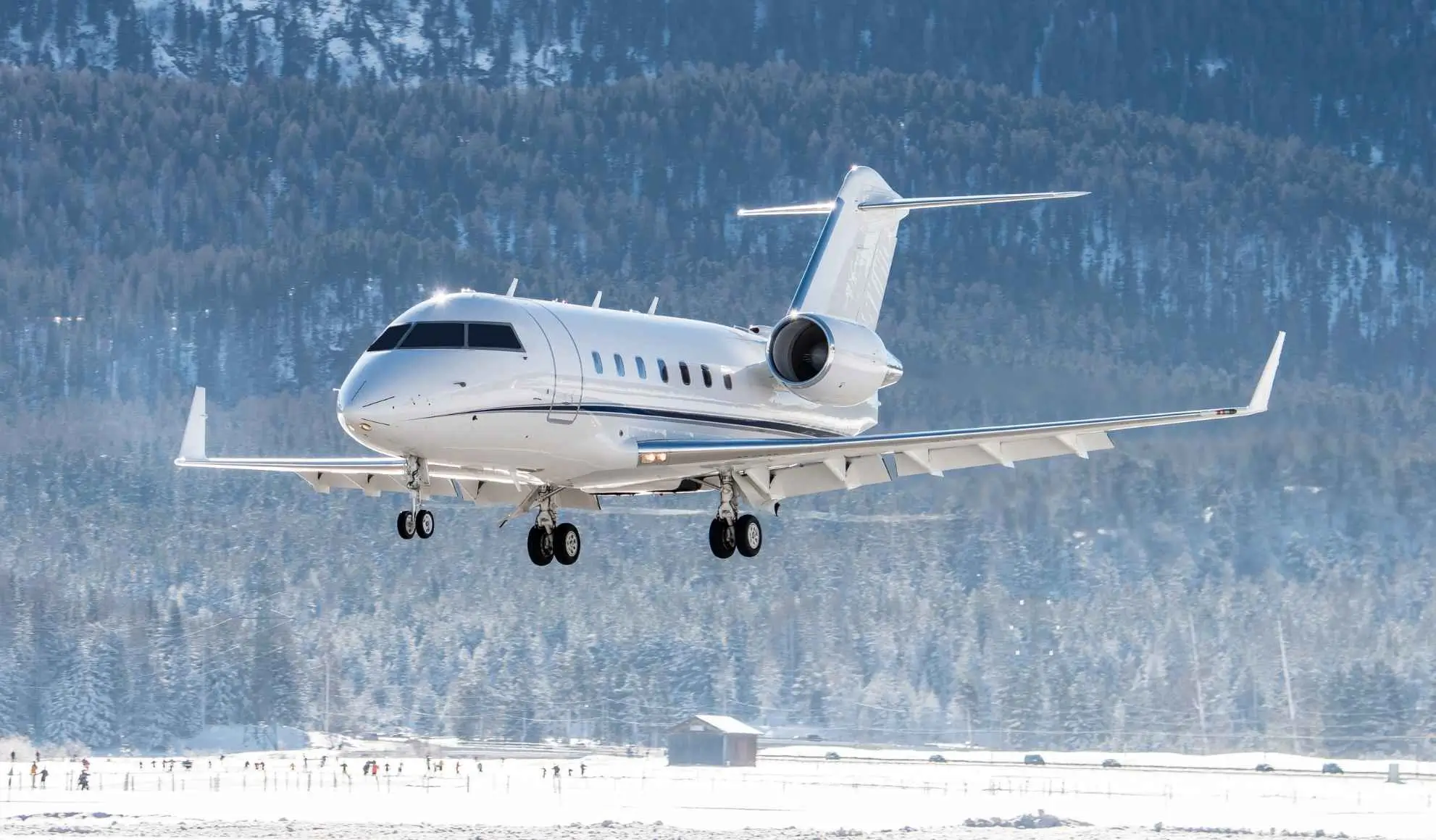
When discussing the most dangerous airports in Europe, it is easy to think only of airports that feature in extreme rankings. In reality, even airports routinely used for commercial, private and business aviation operations may present specific operational challenges.
These are not necessarily dangerous airports, but rather airports that require closer assessment because of their geographical location, weather conditions, runway characteristics, procedures and compatibility with the aircraft being used.
Are there more dangerous airports in Europe?
Some European airports are considered more challenging than others because of their geographical, meteorological or operational characteristics.
Airports such as Innsbruck, Madeira, Courchevel, Samedan–St Moritz, London City, Bolzano and Florence Peretola are not necessarily dangerous, but they require specific assessments relating to the runway, wind conditions, aircraft, crew, procedures and alternate airports.
Innsbruck: an Alpine airport, Föhn winds and special procedures
Innsbruck Airport is a particularly useful example for explaining the concept of operational complexity. In its official information for pilots, the airport states that familiarity with its procedures is mandatory and provides specific guidance on the Föhn, the warm, dry and strong wind typical of Alpine regions.
This shows that simply “knowing the destination” is not enough: operating at certain airports also requires an understanding of how the surrounding terrain and weather behave.
London City: a steep approach in the heart of London
London City Airport is known for its steep approach. Industry sources indicate an approach angle of approximately 5.5 degrees, which is steeper than at many standard commercial airports.
For charter aviation and business travel, it is a particularly useful example: being close to the city centre can offer a major advantage, but the airport must be compatible with the aircraft, crew and applicable procedures.
Samedan–St Moritz: business aviation in an Alpine environment
Engadin Airport at Samedan–St Moritz is highly relevant to the world of business aviation and premium mountain travel. Its official information for pilots includes a familiarisation briefing and a test specifically designed around local Alpine conditions.
It is a perfect example of an airport that may appear to be simply a convenient gateway to a destination, but is in fact highly technical: altitude, Alpine terrain and weather conditions all require careful preparation.
Bolzano: access to the Dolomites and airport assessment
Bolzano Airport is a particularly interesting option for those organising flights to the Dolomites. According to the airport’s official technical data, its runway is 1,432 metres long and 45 metres wide.
It is not an “extreme” airport in the spectacular sense of the term, but it is a practical example of an airport that may be considered for charter operations because of its proximity to Alpine destinations and its potential to reduce ground transfer times.
This is particularly relevant for charter flights to mountain destinations. We have also explored the topic in our guide to airports and charter flights for the Dolomites and the Alps, where airport selection becomes an integral part of the overall efficiency of the journey.
What does all this have to do with a charter flight?

Challenging airports clearly illustrate a principle that applies to every charter flight: an airport should not be selected simply because it is close to the final destination.
Even in less extreme situations, airport choice can affect timing, comfort, costs, feasibility, ground services and the overall continuity of the journey. For this reason, when planning a bespoke flight, the right question is not only “Which airport is closest?”, but “Which airport is best suited to this itinerary, this aircraft and these operating conditions?”
| Variable | Why it matters for a charter flight |
|---|---|
| Departure airport | Affects accessibility, slot availability, handling, passenger management and ground time. |
| Arrival airport | Must be compatible with the runway, aircraft, available services and onward logistics. |
| Alternate airport | Essential in the event of adverse weather, congestion or unexpected disruption. |
| Aircraft type | Not every aircraft can operate at every airport. |
| Number of passengers and baggage | Affects weight, performance, cabin configuration and operational timings. |
| Timings and seasonality | Some airports have restrictions, operating windows or periods of peak traffic. |
| Handling and ground services | Essential for groups, sports teams, MICE travel and premium flights. |
Can a charter flight land at any airport?
No, a charter flight cannot automatically land at any airport. Before confirming an airport, it is necessary to assess the runway’s length and characteristics, aircraft compatibility, slot and handling availability, weather conditions, operational limitations, ground services and suitable alternate airports.
Charter flights offer a high degree of flexibility, but this must always be supported by the air operator’s technical assessments and by the correct selection of the most appropriate solution.
To explore the options available for organising a bespoke flight, you can also visit our page dedicated to aircraft charter and charter flight services, or request an assessment of the airport best suited to your itinerary.
Charter flights and complex airports: Flyness’ role in selecting the right solution

In the world of charter flights, airport selection does not depend solely on geographical location. An airport may be very close to the final destination but still not be the most suitable option for a particular aircraft type, passenger numbers, requested timings or expected operating conditions.
Strictly technical and operational assessments are the responsibility of the airline and the certified air operator, which provides the aircraft, crew, procedures and necessary authorisations.
The role of an air charter broker such as Flyness is different, but crucial: to act as the first filter between the client’s requirements and the operator’s technical assessment.
Before passing the request to the airline, Flyness gathers the client brief and clarifies the objectives, timings, number of passengers, expected service level, logistical requirements and any potential airport constraints. At this stage, unsuitable options are ruled out, genuinely viable solutions are compared, and the most appropriate operators are identified.
Only after this initial filtering and guidance process is the request passed to the airline or certified operator, which carries out the final technical assessments relating to the aircraft, crew, runway, procedures, weather, performance and applicable limitations.
| Aspect | Flyness’ role | Airline / air operator’s role |
|---|---|---|
| Client brief | Gathers information on objectives, timings, passenger numbers, travel requirements and logistical constraints. | Receives the information required to prepare an operational proposal. |
| Initial request filtering | Rules out unsuitable solutions, guides the client and identifies the most appropriate operators to involve. | Assesses the proposed options according to technical and operational requirements. |
| Departure and arrival airports | Proposes options aligned with the journey’s logistics, objectives and expected service level. | Verifies technical compatibility, procedures, performance and operating limitations. |
| Aircraft | Compares available solutions offered by selected operators. | Assesses the actual suitability and deployment of the aircraft according to operational requirements. |
| Ground services | Coordinates requirements relating to passenger reception, handling, baggage, transfers and assistance. | Confirms or manages operational services through the relevant service providers. |
| Operational margins and alternatives | Helps the client understand the implications, timings and possible scenarios. | Determines feasibility, alternate options and applicable operating conditions. |
How is an airport’s operational feasibility assessed?
An airport’s operational feasibility is assessed by the airline or certified air operator based on the aircraft, crew, runway, weather conditions, procedures, performance requirements and applicable limitations.
The broker supports the client during the planning and coordination stages by gathering requirements, selecting reliable operators, comparing proposals and helping to identify the solution best suited to the journey.
From extreme airports to a culture of planning
The world’s most extreme airports attract attention because they reveal aviation at its most spectacular: short runways, mountains, beaches, strong winds and landings that appear almost impossible.
But the real point is not spectacle. It is the planning.
Every airport, even the most conventional, may present variables that require careful consideration. Every charter flight also calls for a practical assessment: where to depart from, where to land, which aircraft to use, which operational margins to allow for, which services to coordinate and which alternatives to keep available.
From the world’s most extreme airports to European gateways located closer to business, sporting or incentive travel destinations, the principle remains the same: airport selection is never purely a matter of geography.
It is a matter of method, the right partners and effective coordination.
Are you planning a charter flight to an unusual airport, an Alpine destination or a strategically located airport for your group?
Flyness helps you select the most appropriate solution and coordinate the client’s requirements with certified operators and reliable service providers. From the initial brief to the flight proposal, every stage is designed to make the journey smoother, more coherent and more controlled.
Request an assessment of the airport that best suits your itinerary. Flyness can help you compare the available options and, together with the certified operators involved, identify the solution that best matches your destination, timings, passenger requirements and operational needs.