
The most requested incentive travel destinations for 2026 and 2027 are mainly concentrated in Spain, Italy, Greece and Portugal. Our data show that among the destinations requested to us are Cagliari, Olbia, Seville, Valencia, Lisbon, Athens and Crete.
Mainly, the analysis concerns MICE groups of 100-250 participants and is not intended as a general tourism ranking. Rather, it shows which destinations are being considered by companies, agencies and event planners when they need to balance experiential value, air connections, accommodation capacity and operational management for the group.
The clearest trend is not the search for the most distant destination, but for locations that can surprise participants without introducing unnecessary complexity.
Where is MICE travel demand concentrated in 2026 and 2027?
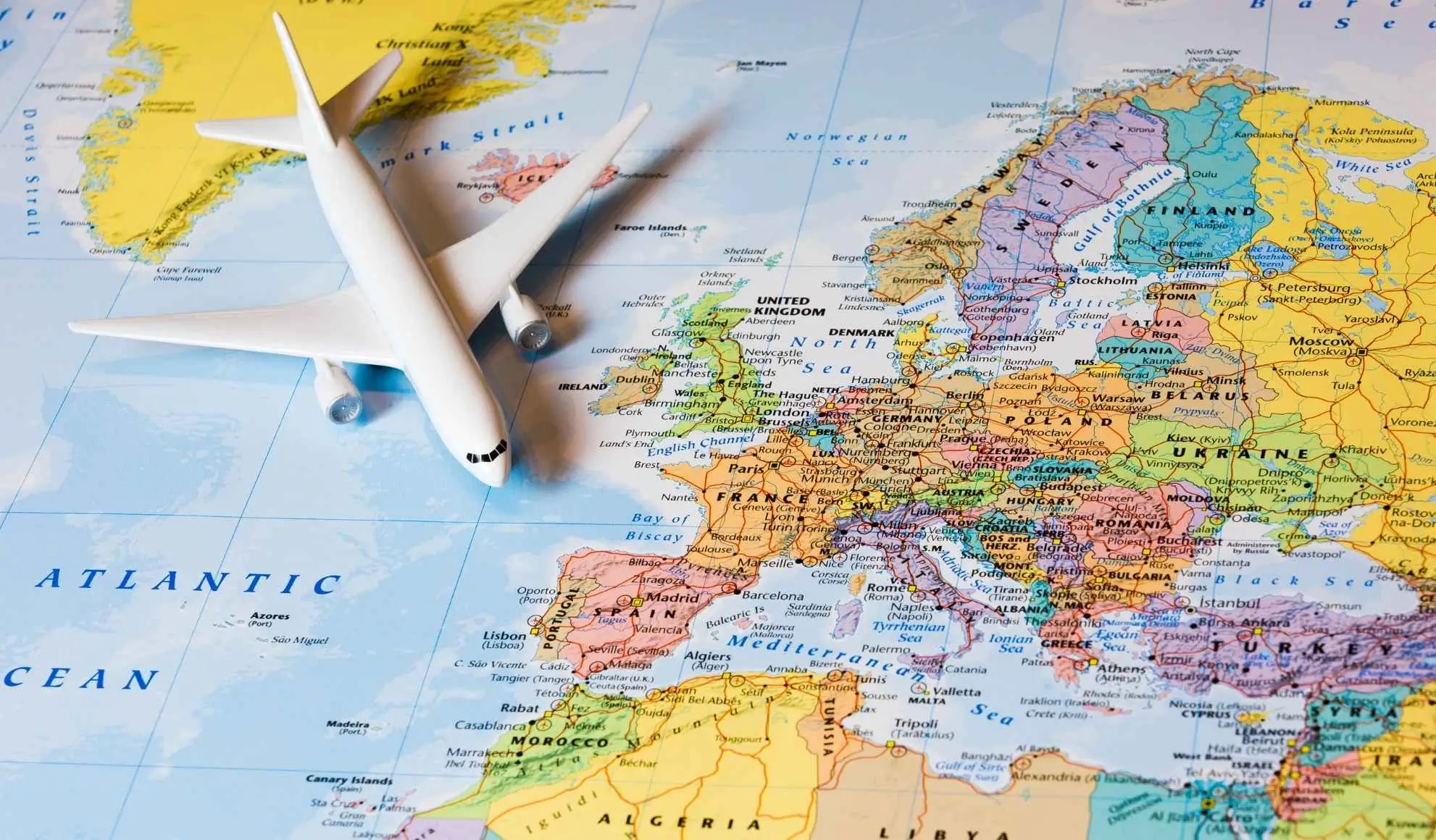
The analysis of requests highlights demand distributed across major urban hubs, islands and coastal locations in Europe and the Mediterranean area. The choice is not based only on how well-known a destination is, but also on the availability of air connections, accommodation and services suitable for managing large groups.
| County or area | Requested destination and airports |
|---|---|
| Italy | Cagliari (CAG), Olbia (OLB), Brindisi (BDS), Catania (CTA), Lamezia Terme (SUF) |
| Spain | Seville (SVQ), Valencia (VLC), Málaga (AGP), Madrid (MAD), Barcelona (BCN), Ibiza (IBZ), Lanzarote (ACE) |
| Portugal | Lisbon (LIS), Porto (OPO) |
| Greece | Athens (ATH), Mykonos (JMK), Rhodes (RHO), Kos (KGS), Crete-Heraklion (HER), Thessaloniki (SKG), Kalamata (KLX) |
| Central and Eastern Europe | Prague (PRG), Berlin (BER), Warsaw (WAW) |
| United Kingdom and Ireland | Dublin (DUB), Edinburgh (EDI), Glasgow (GLA) |
| Adriatic and Mediterranean area | Dubrovnik (DBV), Nice (NCE) |
| Non-UE Mediterranean area | Marrakech (RAK), Istanbul (IST) |
Some of these results are also reflected in international market analyses. Barcelona, Madrid and Lisbon rank respectively second, third and fourth in Cvent’s list of the leading European meeting destinations for 2026. Berlin, Prague and Dublin had already appeared among the top ten European destinations in the 2025 ranking.
Flyness data reveal a more nuanced demand than rankings based only on major congress hubs. Alongside capitals and cities with an established MICE vocation, requests also include secondary airports, islands and coastal destinations chosen to build programmes with a stronger connection to the territory. Each type of destination, however, presents different requirements for air connections, accommodation capacity, transfers and operational management of participants.
It is precisely within this variety that charter flights can become a strategic tool, as they allow the air travel solution to be integrated into the event programme. This is where charter flights for the MICE sector can offer greater continuity between programme, participants and operations.
New experiences, without increasing complexity
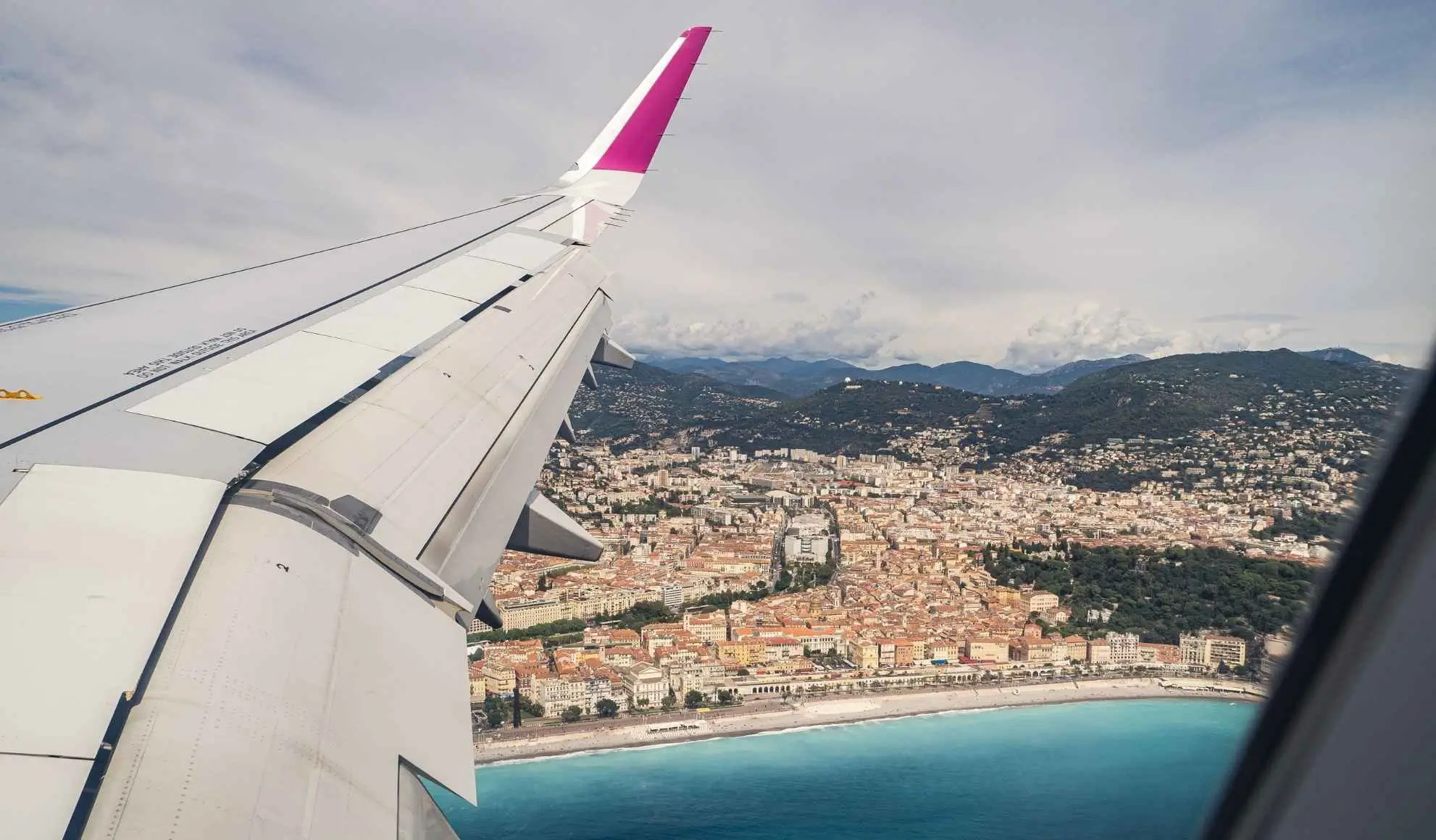
One of the main incentive travel trends for 2026 and 2027 is the search for destinations that can surprise participants and differentiate the experience. This openness to new locations, however, encounters a very concrete limit: accessibility.
According to the IRF 2026 Trends Report, direct air access is considered a decisive requirement by 41% of incentive industry operators. At the same time, 40% indicate difficult connections as one of the main deterrents when choosing a destination.
Transfer time between the airport and the hotel also affects the overall assessment.
The market, therefore, is not necessarily looking for the most remote or unusual destination. It is looking for manageable novelty: high-impact destinations with accommodation capacity that does not fragment the group and distances that do not compress the programme too much.
The requests received by Flyness confirm this trend. The selected destinations are largely located in Europe and the Mediterranean basin, yet they offer very different experiences: from art cities to islands, from congress centres to coastal locations.
Variety does not come from distance, but from the possibility of building different concepts while keeping logistics proportionate to the project.
Why the Mediterranean continues to lead requests
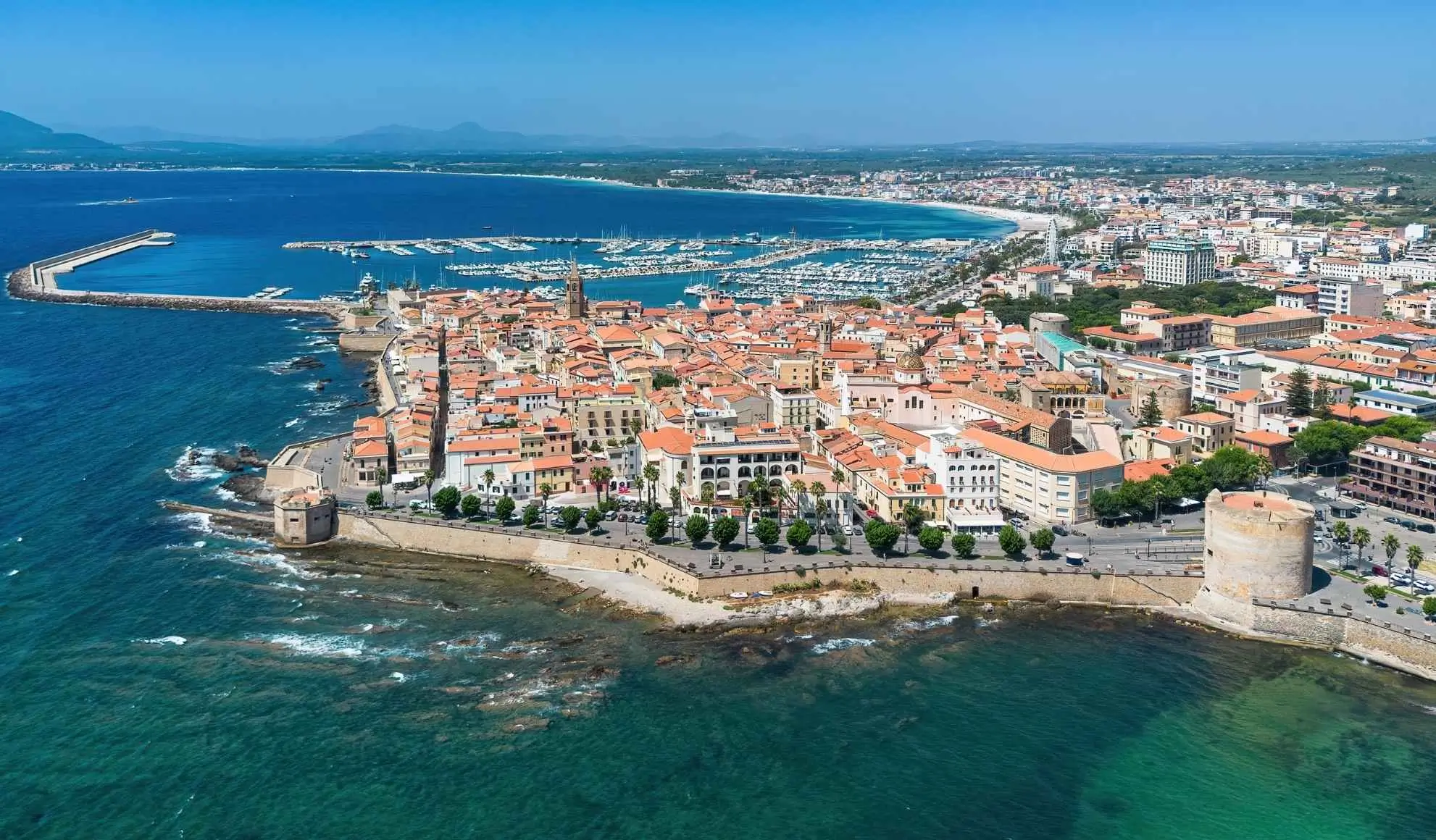
Italy, Spain, Portugal and Greece do not stand out only because of their climate or cultural richness. Their advantage lies in their ability to offer several travel models within the same geographical area.
Spain and Portugal between MICE hubs and experiential destinations
Spain is the country that appears most frequently in the requests we receive. Madrid and Barcelona represent the most established options for conventions and corporate meetings, but demand also extends to Seville, Valencia, Málaga, Ibiza and Lanzarote.
This distribution highlights an interest that goes beyond large cities. Seville responds to the search for cultural identity; Valencia and Málaga bring urban and coastal dimensions; Ibiza supports premium projects, while Lanzarote introduces a more pronounced landscape and nature component.
Portugal also presents two distinct profiles. Lisbon retains the strength of an international MICE hub; Porto offers a more intimate scale and an immediate connection with the territory, food and wine culture, and the Douro landscape.
What emerges, therefore, is not a contrast between established and emerging destinations. Rather, there is a broadening of possibilities within markets that are already recognisable and accessible.
Italy and Greece: more airports, more ways to interpret the territory
In Italy, requests focus on Cagliari, Olbia, Brindisi, Catania and Lamezia Terme. These are not interchangeable destinations, but access points to territories with different identities, structures and characteristics.
Cagliari and Olbia allow Sardinia to be interpreted through two different areas; Brindisi opens up programmes in Apulia; Catania and Lamezia Terme make it possible to design experiences in different parts of Sicily and Calabria.
Greece offers an even more evident variety. Athens and Thessaloniki respond to urban and congress-related needs; Mykonos intercepts premium programmes; Rhodes, Kos and Crete offer a higher concentration of resorts and facilities; Kalamata introduces a more territorial dimension connected to the Peloponnese.
For those who regularly organise MICE travel, the value of this plurality does not simply lie in having more destinations to choose from. It lies in the possibility of identifying an airport and a territory that are consistent with the format, size and the event’s positioning.
Established cities and high-impact destinations
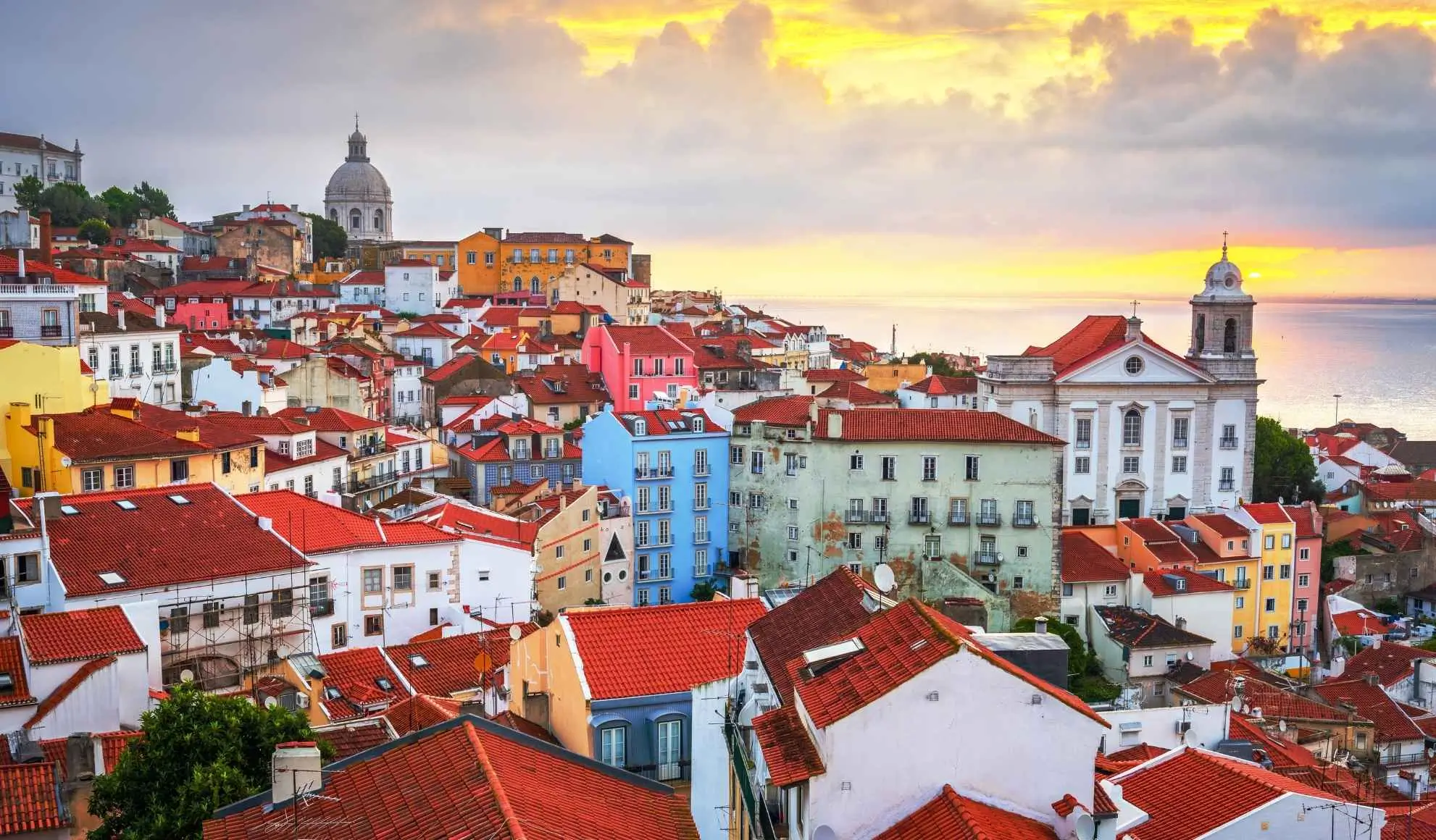
Outside the four main markets, the requests received are distributed between established European cities and destinations with a more distinctive personality.
Prague, Berlin and Warsaw maintain a strong urban vocation, while communicating different identities: historical and compact in the case of Prague, creative and contemporary for Berlin, and evolving for Warsaw.
Dublin, Edinburgh and Glasgow respond to the search for recognisable international destinations, with cultural heritage supporting corporate and relationship-focused programmes. Nice and Dubrovnik, on the other hand, make it possible to combine city and coast, although tourist pressure and accommodation capacity become decisive factors at certain times of the year.
Marrakech and Istanbul extend the cultural range without moving onto intercontinental routes. Marrakech offers an instantly recognisable sensory and territorial context; Istanbul combines business, history and contemporary identity.
Alongside the most sought-after locations, there is still space for less conventional destinations, provided they are consistent with the concept. Flyness insights on incentive trips to the Lofoten Islands, the Azores and team building in Transylvania show how nature, isolation or cultural identity can become part of the corporate message when the project makes them genuinely meaningful.
Flyness data: groups of 100 to 250 people
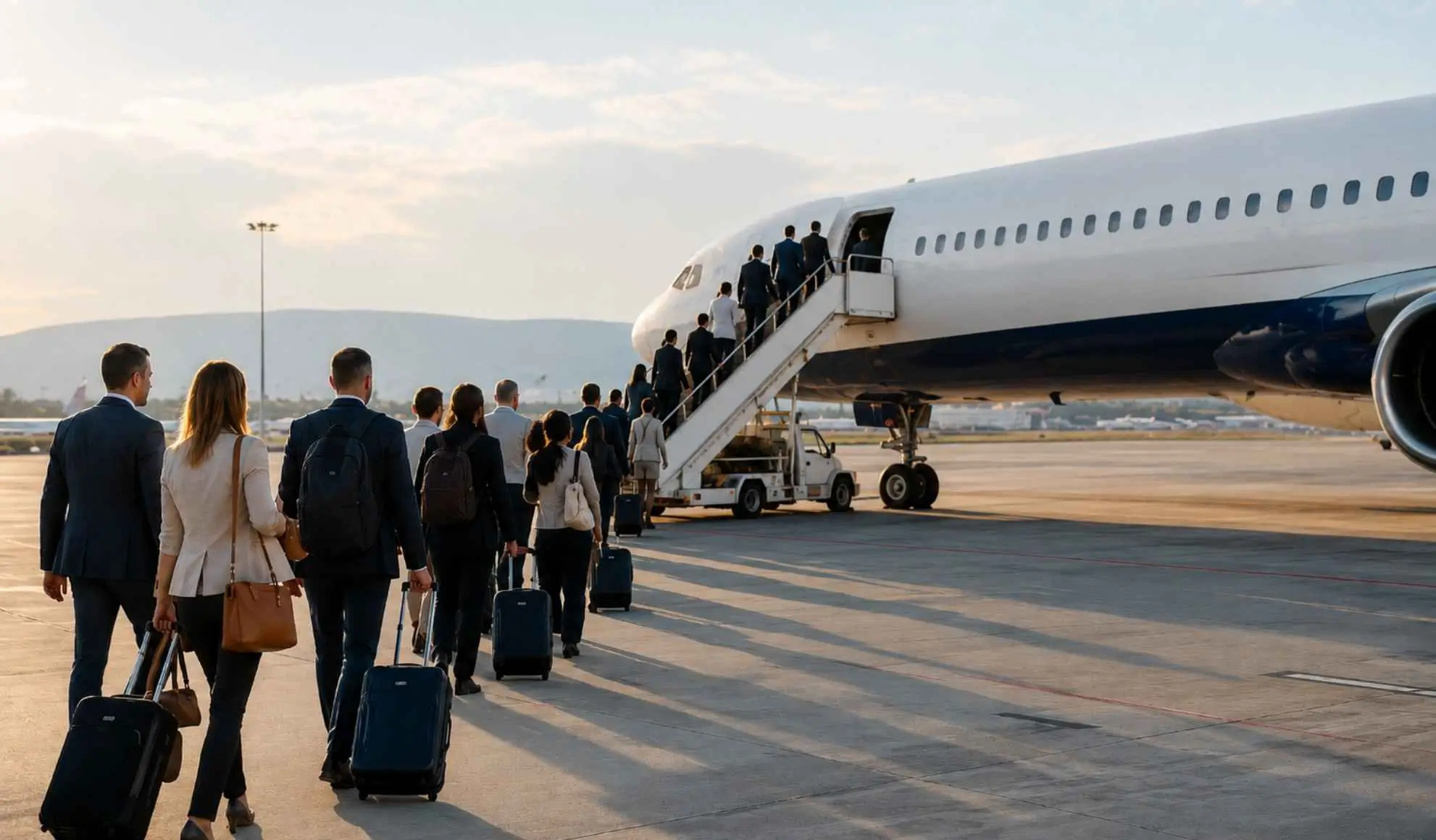
The average size of groups requesting a charter flight – between 100 and 250 participants – naturally narrows the range of feasible destinations.
A programme involving a large number of participants requires a sufficiently robust structure to keep the experience unified: not only rooms and venues, but also transfers, airport operations and services that do not absorb or create group dispersion.
From this perspective, large cities generally offer greater accommodation capacity and more operational alternatives. Islands and coastal destinations can increase experiential value but require a more careful balance between seasonality, accommodation availability and air connections. Other destinations, finally, can make the programme more distinctive, provided their identity compensates for potentially more complex logistics.
The number of Italian, Spanish and Greek airports included in the requests suggests another point: it is not the country that determines the programme’s efficiency, but the access point chosen within it.
When air connections influence the choice of destination
When choosing an incentive travel destination, the air connection is not just an organisational item. For large MICE groups, it can involve the feasibility of the entire programme, transfer times and the possibility of keeping participants together.
The airport’s proximity, accommodation facilities and venue can make even a lesser-known destination more efficient. Conversely, a particularly attractive destination may prove less suitable when it requires fragmented connections, long road transfers or several rotations to transport the whole group.
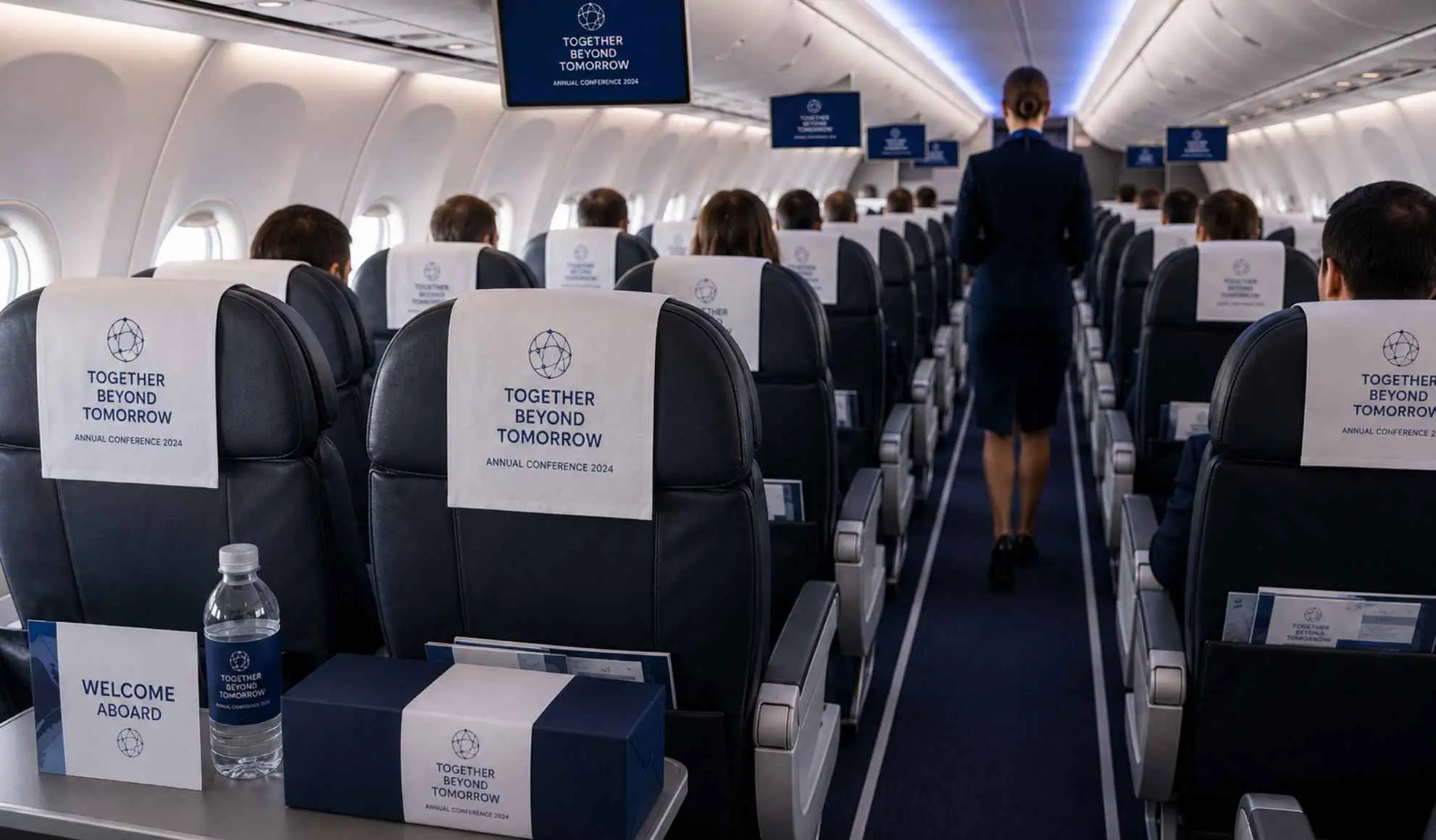
In this context, a charter flight makes it possible to adapt schedules, departure airport and operations to the needs of the event. The journey can also become the first shared moment of the programme, creating continuity between departure, destination and corporate concept.
Customisation options may include dedicated headrest covers, logos on check-in monitors, onboard messages, coordinated materials and catering solutions with the event’s identity. Flyness has explored these possibilities in two articles dedicated to aircraft customisation for corporate events and charter flight branding.
Customisation, however, does not replace logistical criteria when choosing a destination. It becomes effective when it completes a travel solution that is already consistent with the number of participants, the programme and the characteristics of the destination.
Incentive travel destinations 2026 and 2027: value lies in consistency

Demand in the MICE sector highlights a market that is less attracted by novelty for its own sake and more focused on consistency between destination, group and experience.
Spain, Portugal, Italy and Greece continue to occupy a central position because they combine identity, accommodation capacity and accessibility. At the same time, Prague, Berlin and Dublin confirm the strength of European hubs, while Marrakech, Istanbul and island destinations respond to the search for a stronger impact.
The most significant trend, therefore, is not a race towards the most unexpected destination. It is the ability to surprise without introducing unnecessary complexity and to integrate air transport into the overall design of the event.
Flyness supports agencies, event planners and companies in assessing the most suitable flight solution, connecting destination, group size, programme and operational feasibility.
Have you already identified the destination for your next event?
Call the Flyness team and find the best air travel solution for your project.